How Ohio’s New Catalytic Converter Law Aims to Stop a $115 Million Crime Wave

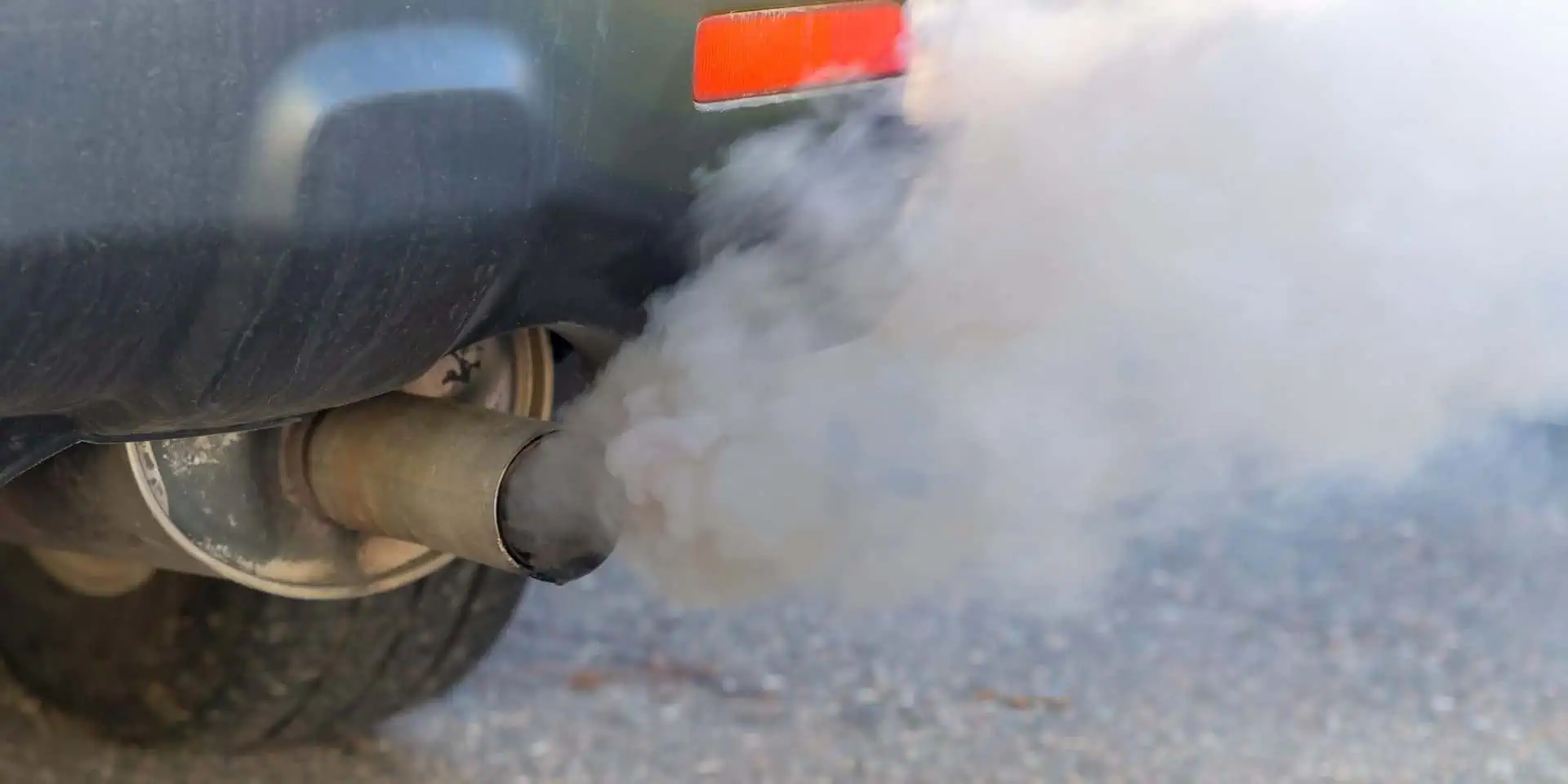
Ohio Gov. Mike DeWine signed House Bill 210 into law on July 7, putting a new felony charge and a tighter set of rules for scrap dealers behind the state’s fight against catalytic converter theft. The law takes effect in 90 days, around early October, giving Ohio drivers a countdown to when the tougher penalties actually kick in.
The bill’s sponsor, Rep. Bill Roemer of Richfield, said he started working on the issue after thieves stole catalytic converters from vehicles parked at his church, a personal experience he has cited repeatedly while pushing the legislation through multiple sessions of the Ohio legislature. “Catalytic theft is a plague on working Ohioans, and I’m excited to announce House Bill 210 was sent to the governor after almost unanimously passing the legislature,” Roemer said in a statement. “I have worked on this issue for more than six years because I have seen firsthand the disruption and financial hardship these thefts can cause.”
What the New Law Actually Changes
House Bill 210 makes catalytic converter theft a felony of the fifth degree in Ohio, a meaningful jump from how these cases have often been prosecuted in the past. Before this law, a first-time converter theft case in Ohio was frequently charged as a misdemeanor, carrying a far smaller deterrent than the felony record and potential prison exposure the new classification introduces. The bill also increases penalties for receiving stolen property when the item is a catalytic converter, closing off the resale side of the crime as well as the theft itself.
The law’s other major piece targets the businesses that buy stolen converters in the first place. Scrap metal dealers and other buyers of used catalytic converters must now follow new recordkeeping, reporting and transaction requirements, with penalties attached for dealers who skip them. Motor vehicle salvage dealers are barred from purchasing or accepting catalytic converters at all under the new rules. Ohio’s Director of Public Safety gains expanded authority to oversee and investigate scrap dealers and converter buyers statewide, giving the state a direct enforcement tool it did not have before.
Why Converters Became Such a Common Target
Catalytic converters contain small amounts of platinum, palladium and rhodium, precious metals that made stolen converters an easy, fast payout for thieves in the theft wave that peaked between 2020 and 2022. According to State Farm data, catalytic converter theft claims hit roughly 45,000 nationally in 2022, totaling about $115 million. A converter can be sawed off from underneath a parked car in under a minute, and unlike a stolen car itself, it carries no VIN or plate to trace it back once it reaches a scrap buyer, which is exactly the gap Ohio’s new recordkeeping rules are meant to close.
Ohio’s own numbers tell a similar story to the national trend. Law enforcement agencies across the state logged thousands of converter thefts at the height of the 2021-22 surge, with Columbus, Cleveland and Cincinnati police departments all reporting sharp year-over-year jumps in theft reports tied to the same precious-metal price spike driving the national wave.
National claims data shows a real drop from that 2022 peak, with claims falling substantially through 2023 and the first half of 2024, though more recent national figures were not available at publication. Ohio’s law arrives as thefts have already cooled somewhat nationally, but state lawmakers were clear they wanted a permanent legal deterrent rather than relying on a temporary dip to hold.
How Ohio’s Approach Compares to Other States
Ohio’s felony-level penalty puts it ahead of several states that have leaned on lighter, county-level responses instead. San Joaquin County in California, for instance, recently passed a local ordinance that treats catalytic converter theft as a misdemeanor punishable by up to $1,000 and six months in jail, a lower bar than what Ohio just enacted statewide. A county-level ordinance also only reaches drivers and dealers inside that county, while Ohio’s law applies uniformly across all 88 counties the moment it takes effect.
Minnesota offers the clearest evidence that Ohio’s scrap-dealer strategy can work. After the state tightened rules on who can legally sell used catalytic converters in August 2023, thefts across the Twin Cities metro dropped sharply, falling 95 percent in cities including New Brighton and Eagan. Police there credit the stricter point-of-sale rules, the same mechanism Ohio’s new law leans on, for making it far harder to offload a stolen converter for cash.
The core logic behind both states’ scrap-dealer rules is the same: a stolen converter is only valuable to a thief if it can be turned into cash quickly, usually within hours of the theft. Recordkeeping and identification requirements at the point of sale do not stop someone from cutting a converter off a parked car, but they make it far harder to find a buyer willing to take the risk, which is where Minnesota’s numbers suggest the real deterrent effect lives.
What Ohio Drivers Should Do Between Now and October
The felony penalty and scrap dealer rules do not take effect for 90 days, so Ohio drivers still need to protect their own vehicles in the meantime. Etching a VIN onto the converter itself is one of the simplest deterrents: it makes the part traceable and far less attractive to a scrap buyer following the new recordkeeping rules once they take hold. A welded anti-theft shield or cage adds a physical barrier that takes real time and tools to cut through, time most thieves are not willing to spend in a parking lot. Parking in a garage or a well-lit area, and choosing a spot backed against a wall or curb that limits access to the vehicle’s underside, further narrows the opportunity.
Several Ohio police departments already run free VIN-etching events in cooperation with local auto shops and insurance agents, and drivers can check with their city or county sheriff’s office to find the next scheduled session before the theft wave has a chance to build back up over the winter months.
Drivers whose converter is stolen should report the theft to police immediately. A police report is typically required to file an insurance claim. Catalytic converter theft is generally covered under the optional theft and physical-damage portion of an auto policy, not standard liability coverage, so drivers should confirm they carry that broader protection before assuming a stolen converter will be paid for. Checking with an insurer now, before a theft happens, avoids an unwelcome surprise at the worst possible moment.
With the law not taking hold until roughly early October, the next few months amount to a grace period for thieves and scrap dealers alike, before recordkeeping requirements, salvage dealer restrictions and felony charges all become enforceable at once. Whether Ohio sees the kind of sharp drop Minnesota recorded will likely depend on how quickly scrap dealers statewide adjust their buying practices once the rules take hold, rather than on the felony charge alone. A tougher criminal penalty only deters theft if thieves are also caught and prosecuted, and that enforcement piece rests largely on the new recordkeeping trail rather than the higher charge by itself.
Vehicle owners outside Ohio should not assume this problem is settled elsewhere. Only a handful of states have moved to felony-level penalties for catalytic converter theft, and scrap-dealer recordkeeping requirements vary widely from state to state, with some jurisdictions still allowing cash transactions with minimal identification. Drivers relocating to or through a state with looser rules should expect the underlying incentive for thieves, an easy, hard-to-trace payout, to remain largely intact until more states follow Ohio and Minnesota’s approach, something insurers and consumer advocates have pushed for in statehouses well beyond these two.
Sources:

Leave a Comment
More in News

Drivers of Britain’s Dirtiest New Cars Now Pay £5,690 in HMRC’s Year-One Tax

What Your ABS Warning Light Actually Means (and Is It Safe to Drive?)

Buyers of Popular Electric Cars Miss a £3,750 Government Grant Rivals Get

Why Truckers Can Now Drive 16-Hour Days as Diesel Hits $6.29 a Gallon

What Limp Mode Actually Means (and What to Do When It Happens)
Trending on Motoring Chronicle

Average Used Car Now Costs £17,655 as Older Models Jump 10 Percent in a Year

How Arizona and North Carolina Are Cracking Down on Predatory Tow Trucks

What Happens If You Ignore a Check Engine Light? Key Risks Explained

Motability Scheme Increased Its Excess Mileage Charge Fivefold From 1 July and Cut Tyre Allowances for 700,000 Drivers