
Only 44 Percent of UK Drivers Think They Would Pass Today’s Theory Test


Fewer than half of UK drivers believe they would pass the driving theory test if they sat it again today, according to new research marking the exam’s 30th anniversary. The findings expose a widening gap between the confidence motorists feel behind the wheel and how well they actually know the rules that govern the road.
What the survey found
AA Driving School surveyed 12,475 motorists and found that just 44% think they would pass the current theory test, yet 78% say they would still pass the practical exam. The gap between the two figures points to a specific weak spot: drivers trust their hands and reflexes far more than their memory of the rulebook.
Ninety percent of those surveyed admitted their knowledge of the Highway Code was not up to date. Fifty-nine percent said they were unsure of the current rules of the road, half admitted road signs sometimes stump them, and a third said their hazard perception skills would not make the grade if tested tomorrow.
There was also a gender split in the results. Thirty-seven percent of women said they would be confident of passing today’s theory test, compared with 46% of men. The pattern held for the practical test too, with 73% of female drivers feeling confident against 80% of male drivers.
Thirty years of the theory test
For any driver who passed their test decades ago, the modern exam looks almost unrecognisable. Learners today face a computer-based multiple-choice section, an interactive hazard perception assessment scored automatically by software that tracks click timing to the millisecond, and a bank of questions covering everything from motorway etiquette to the rules for towing a trailer. None of that existed for drivers who qualified before 1996, and much of it has changed again for anyone who last revised more than a decade ago.
Passing a theory test remains a one-off requirement, valid for two years while a learner completes their practical test, and it is never repeated once a full licence is granted. That means a driver who passed in, say, 2005 has gone through two decades of Highway Code updates, road layout changes and new vehicle types on Britain’s roads without ever being formally checked on any of it. Road safety researchers have long argued that some form of periodic refresher, even an informal one, would close a gap in the system that currently exists for every full licence holder regardless of how long ago they qualified.
The theory test arrived on 1 July 1996, splitting written knowledge away from the practical exam for the first time. Before that date, examiners quizzed learners on the Highway Code verbally in the driving test itself, an approach ministers judged too inconsistent to guarantee a reliable safety standard nationwide.
How the test has changed
When the theory test launched, it looked closer to a school exam paper than the multimedia assessment learners face now. Candidates answered 35 multiple-choice questions and needed 26 correct to pass. Examiners raised that pass mark to 30 out of 35 within three months, a sign officials worried the initial bar was set too low.
The test grew again on 3 September 2007, when the multiple-choice section expanded to 50 questions with a pass mark of 43. That same era introduced the hazard perception clip section, which requires candidates to watch 14 video scenarios and click the moment they spot a developing hazard. Both halves, multiple-choice and hazard perception, must be passed together within 57 minutes.
The Highway Code itself has been rewritten several times after 1996, most significantly in 1999 and again in 2022, when a new hierarchy of road users placed greater responsibility on drivers of larger, faster vehicles to look out for cyclists and pedestrians. Anyone who passed their test before one of these revisions has never formally been tested on the rules introduced afterwards.
DVSA figures show a record 2,792,839 car theory tests were conducted in 2024/25, reflecting both a bulge in learner numbers and the test’s expanding demands on candidates. The AA’s driving school analysed its own theory test app data to find the questions that trip candidates up most often.
The questions that catch drivers out
More than half of those tested through the AA’s app, 57.5%, did not know what to do when a red cross appears above every lane on a motorway. The correct answer is to leave the motorway at the next exit or services, as a red cross closes the lane entirely rather than merely warning of a hazard ahead.
Over half, 52.2%, did not know when it is permitted to overtake another vehicle on the left. The Highway Code allows undertaking only in specific circumstances, such as when traffic is moving in queues and the lane to the left is moving faster, or on a one-way street where road markings allow it.
Emma Bush, managing director of AA Driving School, said the results show the theory test has become a permanent fixture of learning to drive rather than a formality to get past. “Thirty years on from the introduction of the theory test, it is clear it has become a vital part of learning to drive,” she said. “Our research shows that while many drivers still feel confident about their practical driving skills, far fewer feel the same about the theory test. The Highway Code changes over time, roads change, vehicles change and the way we use the road changes too, so it is important for all drivers to keep their knowledge fresh.”
Why the pass mark keeps rising
The steady tightening of the theory test mirrors changes on the road itself. Traffic volumes have grown substantially in the three decades after 1996, motorways carry variable speed limits and smart technology that did not exist when the test launched, and the vehicles drivers share the road with now include e-scooters, e-bikes and a far larger number of cyclists in towns and cities. Each addition to the Highway Code reflects a real shift in what a driver needs to know to stay safe and legal.
Hazard perception testing, introduced alongside the expanded question bank in 2002 and reformed further in 2007, was itself a response to research showing that new drivers were disproportionately involved in collisions caused by a failure to spot a developing hazard early enough to react safely. The clips used in the test are drawn from real driving footage rather than staged scenes, and DVSA periodically refreshes the bank of clips to prevent candidates memorising answers rather than actually learning to scan the road.
How to refresh your knowledge
Drivers do not need to resit the theory test once they hold a full licence, but a refresher costs nothing and takes a fraction of the time a learner spends preparing. The full Highway Code is free to read at gov.uk/guidance/the-highway-code, and it is updated periodically to reflect new rules such as the 2022 hierarchy of road users.
The official DVSA theory test practice app and revision questions cover the same bank of material used in the real exam, including hazard perception clips, and give an honest read on where knowledge has slipped after passing. Local road safety charities and IAM RoadSmart also run refresher courses aimed at licence holders rather than learners, which can lower insurance premiums with some providers.
For anyone planning to add a named driver to their insurance, brushing up before test day pays off directly. Insurers increasingly ask about recent theory or hazard perception scores when pricing new driver policies, especially for parents insuring a teenager on a family car.
Sources:

Leave a Comment
More in News

Is It Illegal to Have Lights On in Your Car?
New Volvo XC60 and XC90 Plug-In Hybrids Offer Up to 78 Miles of EV Range

Electric Car Repairs Now Cost UK Drivers 19 Percent More Than Petrol Cars
What Actually Happens If You Skip a Car Service

Classic Car Owners Now Pay £154 a Year to Insure, Up 26 Percent
Trending on Motoring Chronicle
The 10 Least Reliable Used Cars In The UK Have An Average Repair Bill Of £2,051. Five Of Them Are Land Rovers
McLaren Artura Spider MCL39 Championship Edition: Celebrating McLaren Racing’s 10th Formula 1 World Constructors’ Championship

2027 Subaru Solterra EV Holds Pricing at $38,495 With More Power and Faster Charging
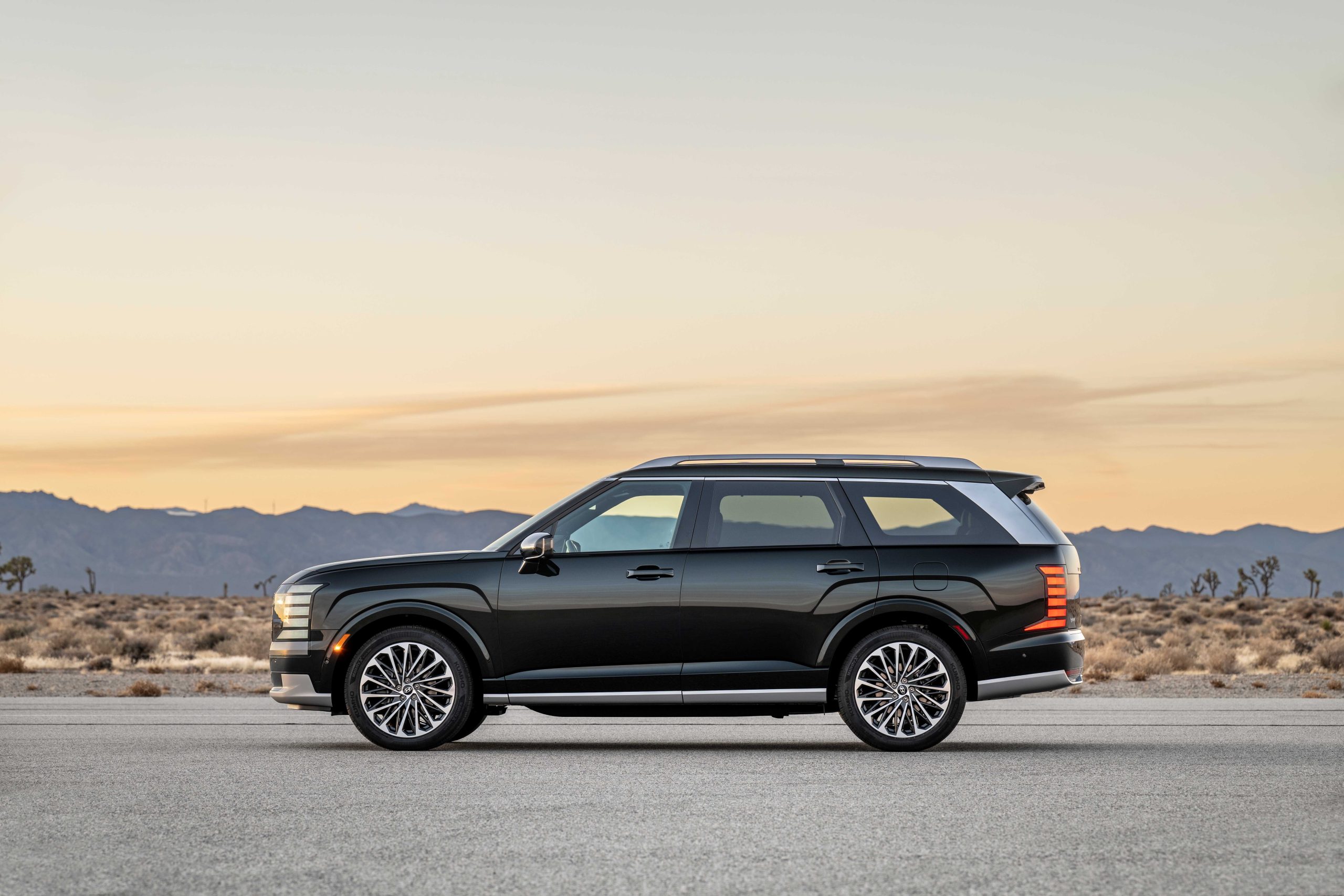
Hyundai Palisade Wins 2026 MotorWeek Drivers’ Choice Award for Best Large Utility
