Liverpool Council Fines Nearly 3,000 Drivers as New Traffic Cameras Go Live

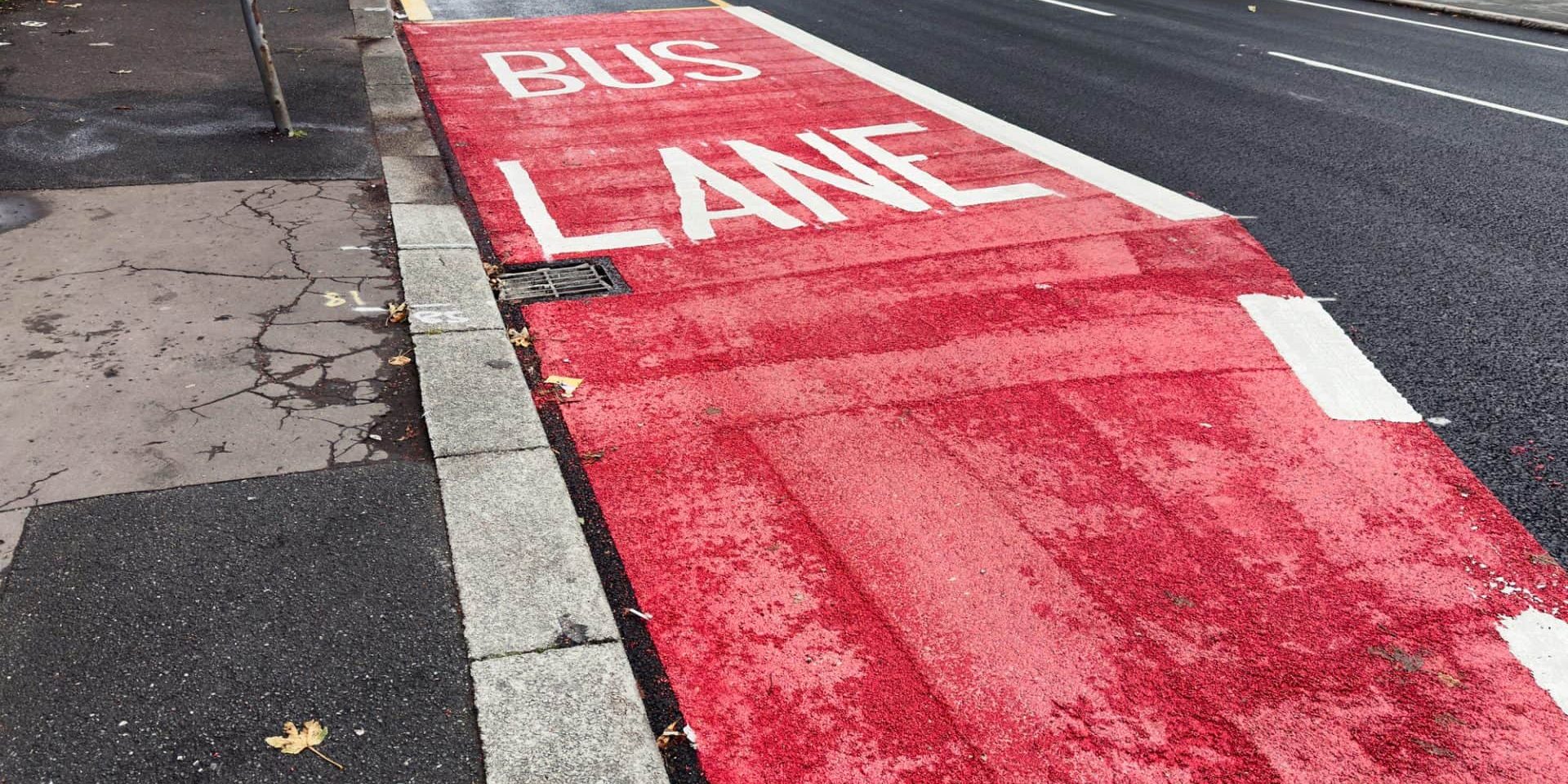
Liverpool drivers are being caught out in their thousands after the city council switched on a network of automatic number plate recognition cameras this month, ending a lengthy warning period and replacing it with £70 penalty charge notices.
Liverpool City Council issued roughly 3,000 fines in the first week of full enforcement, after handing out 40,000 warning letters in the run-up. The cameras target moving traffic offences at eight locations across the city centre, catching drivers who make banned turns, enter no-entry roads, use bus and taxi-only routes, cross yellow box junctions when the exit is blocked, or drive through a school street.
The sites now under camera watch include Lime Street from London Road, the Lime Street bus link between Skelhorne Street and St George’s Place, Copperas Hill at Ranelagh Place, Ranelagh Street at Brownlow Hill, the Whitechapel Cross and Hall Street junction, and two points on The Strand at New Quay/Chapel Street and St Anne Street. A further camera has gone live on The Strand at George’s Dock Gates and St Nicholas Place, aimed at drivers ignoring no-entry signs and stopping in box junctions. The existing bus gate on Ranelagh Street, already fitted with ANPR, remains active.
Councillor Dan Barrington said the cameras were “a key part of a wider programme to improve road safety across the city” and that the goal was to change driver behaviour at junctions with a long history of near-misses and complaints from residents and bus operators.
What the cameras are actually enforcing
Until 2022, only the police could issue penalties for moving traffic offences outside London. That changed when the Department for Transport opened up applications under the Traffic Management Act 2004, letting councils in England apply to take on civil enforcement themselves. The first 12 authorities, including Oxfordshire, Kent, Surrey, Bath and North East Somerset, and Buckinghamshire, gained the power in July 2022. Further waves have followed in the years that followed, and by 2026 more than 50 councils outside London hold the same authority, a sharp expansion from the handful that first tested the system.
Liverpool’s rollout follows a similar pattern to Solihull, Buckinghamshire and parts of the West Midlands, all of which activated comparable ANPR schemes earlier this year, each running a six-month warning period before penalties began. Nationally, the numbers are substantial: across England’s 38 biggest local authorities by population, more than three million bus lane penalty notices were issued between January 2023 and December 2025, raising £103.8 million in total.
Liverpool drivers had already felt the effects of tighter enforcement before this latest scheme arrived. Council figures show more than 100,000 vehicles were fined for poor parking in the city between April and December of last year, part of a broader push that has included new cycle lanes and upgrades to The Strand and Lime Street, both now covered by the new cameras.
One of the eight sites specifically targets school street contraventions, part of a wider effort to keep road-closure hours around schools clear of through-traffic at pick-up and drop-off times. Councils across England have been adding automated enforcement to school streets steadily, a shift that reflects how many repeat offenders manual patrols alone struggle to catch. Brent, in London, reported 73,000 fines from its own school street cameras within a single year, giving Liverpool a sense of how quickly non-compliance can rack up once enforcement goes live.
How the fines are calculated and issued
Once a camera captures a contravention, council staff review the footage before a penalty charge notice is posted to the registered keeper’s address, usually within a couple of weeks. Liverpool’s fine sits at the standard £70 rate applied to civil moving traffic offences, cut to £35 if paid within 14 days. Unlike a police-issued fixed penalty for an offence such as speeding, these PCNs carry no penalty points, as they are civil rather than criminal cases and sit outside the DVLA’s licence record entirely.
Drivers who believe they were fined unfairly can lodge an informal challenge with the council first, then a formal written representation if that fails, setting out full details of why the notice should be cancelled. If the council still rejects the case, the final option is a free appeal to the Traffic Penalty Tribunal, an independent body set up specifically to hear disputes over civil parking and moving traffic PCNs outside London. Adjudicators there have no connection to the issuing council and can cancel a penalty outright if the evidence does not support it.
Councillor Barrington said the enforcement was about changing habits rather than raising money: “These new ANPR cameras are enabling us to enforce the Highway Code and improve behaviours at key junctions, in both the city centre and near to our schools.” He added that the council was investing heavily in active travel infrastructure and hoped drivers would show more patience at contested junctions rather than treat restrictions as optional guidance.
What to do if a fine lands on your doormat
Anyone who receives a PCN from one of the new Liverpool cameras should check the date and exact location against the list above first, given the warning period only ended this month and some drivers could still be adjusting to new signage. The council must provide photographic evidence showing the vehicle committing the contravention, and drivers can request this before deciding whether to pay or challenge.
Common grounds for a successful challenge include unclear or missing signage, a vehicle that had already been sold or reported stolen before the offence, or a genuine emergency that forced the manoeuvre, such as swerving to avoid a collision. Ignoring the notice is the worst option available: unpaid PCNs escalate first to a charge certificate at one and a half times the original amount, then registration with the Traffic Enforcement Centre, and finally a court-issued order allowing bailiffs to recover the debt directly from a driver’s bank account or possessions.
Not everyone accepts that the new camera network is chiefly about safety. Complaints about “cash cow” enforcement have followed similar schemes into every city where they have launched, most sharply where the fine income helps fund a council’s own transport budget rather than the emergency services who previously handled these offences. Barrington rejected that argument directly, pointing instead to the council’s spending on cycling infrastructure and its case that moving traffic enforcement reduces conflict between vehicles, pedestrians and cyclists at the city’s most contested junctions.
The wider rollout across England
Liverpool is far from alone in taking on these powers. Solihull began issuing fines from its own camera network earlier this year, and councils across the West Midlands introduced similar £70 penalties for drivers ignoring newly enforced restrictions. Buckinghamshire switched on 14 new traffic cameras of its own this month, while authorities from Lancashire to the South West have applied for the same powers in the years that the scheme has been open to councils outside London.
For Liverpool drivers, the practical advice is simple: learn the eight locations listed above, treat box junction markings as camera-enforced even when traffic is heavy, and assume bus gates and no-entry signs are now watched around the clock rather than policed only occasionally. With 40,000 warnings already issued over the grace period, the council has made clear that unfamiliarity with the new cameras will not be accepted as grounds for cancelling a penalty now that the six-month adjustment window has closed.
Bus operators have a direct stake in how the scheme performs. Councillor Barrington’s own justification for the cameras rests partly on reducing delays for public transport at pinch points such as the Ranelagh Street bus gate and the Lime Street bus link, both now under permanent watch. Whether fine numbers fall sharply once the initial adjustment period fully wears off, as they typically do in other cities within a few months of full enforcement, will likely shape how the council pitches any future expansion of the camera network beyond these eight junctions.
Sources:
- GB News: https://www.gbnews.com/lifestyle/cars/drivers-slapped-fines-traffic-laws-cameras-liverpool
- UK Parliament Commons Library: Councils in England to get new powers over traffic offences
- Traffic Penalty Tribunal: https://www.trafficpenaltytribunal.gov.uk/

Leave a Comment
More in News

What Your Tyre Pressure Warning Light Actually Means (and How to Reset It)
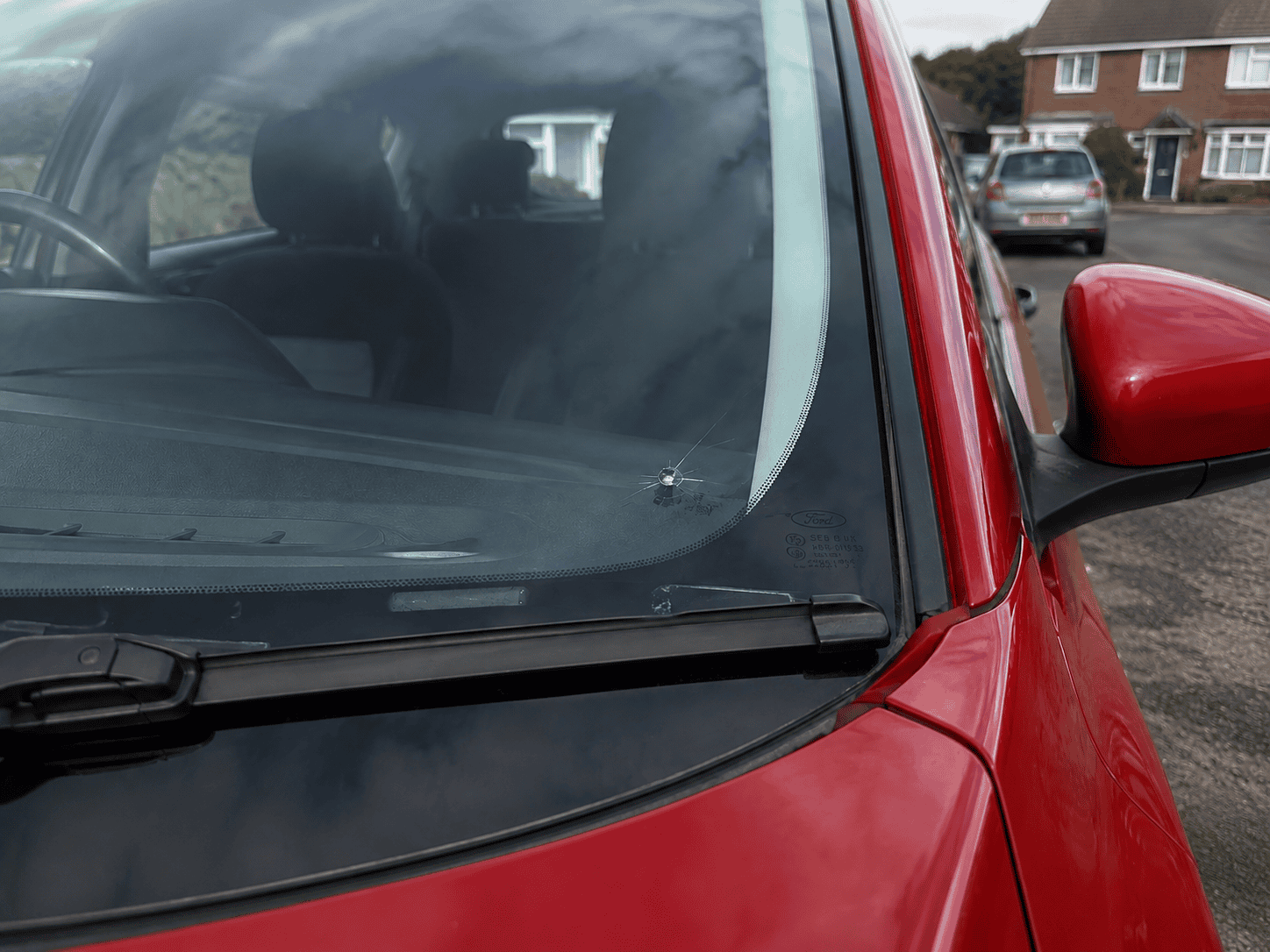
How to Fix a Windscreen Chip Before It Fails Your MOT

Millions of Older Drivers Could Now Pay Doctors £62.50 for a DVLA Medical Letter
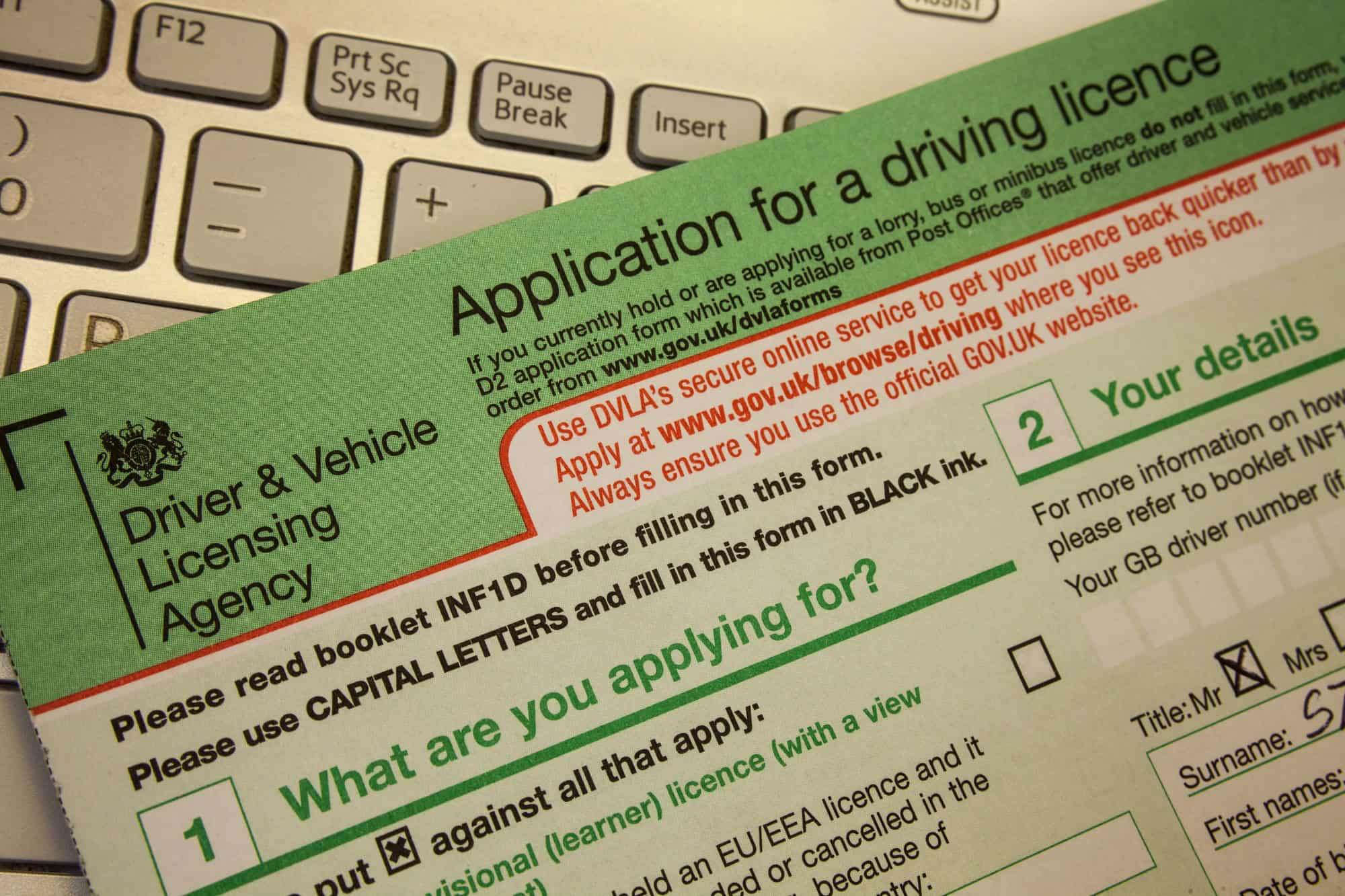
What Every UK Driver Needs to Know Now the Digital Driving Licence Is Live

How to Check a Used Car for Outstanding Finance Before You Lose Thousands
Trending on Motoring Chronicle

GM Recalls 26,541 Chevy Express and GMC Savana Vans Over a Loose Steering Nut

How Connecticut’s New Work Zone Speed Cameras Work and When the Fines Start

2027 Kia Carnival Priced From $37,490 With New Captain’s Chairs on EX and SX

Why Used Electric Car Sales Just Hit a Record High in Britain