Why Westminster Is Now Seizing Lime, Voi and Bolt Bikes From City Pavements
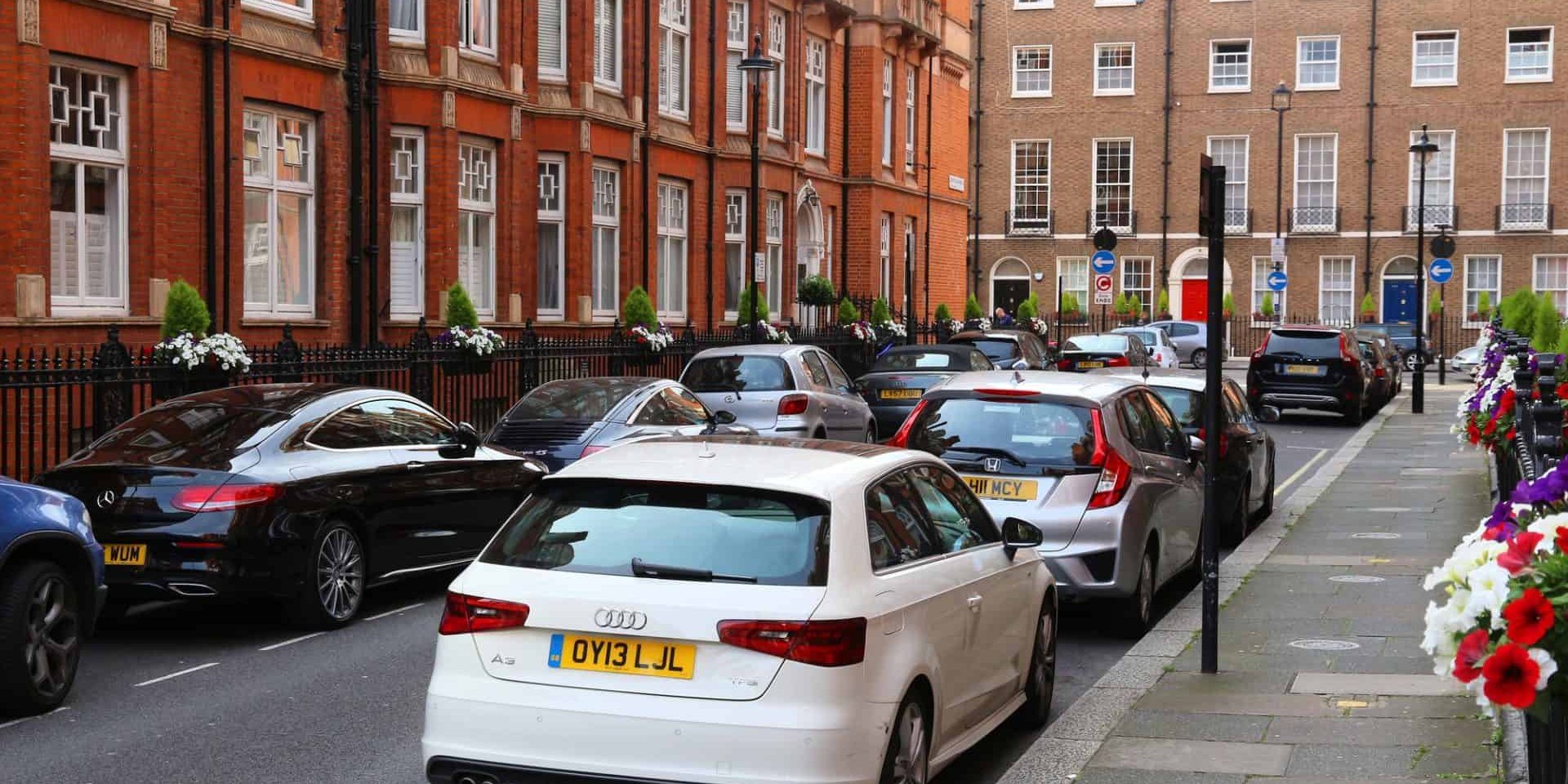

Anyone who drives, walks or wheels through central London has seen the problem: hire bikes dumped across pavements, slumped over dropped kerbs and left blocking cycle lanes and bus stops. Westminster City Council has decided fines are not fixing it, and from now on it will physically seize dockless e-bikes left in the wrong place. Operators including Lime, Forest, Voi and Bolt will have to pay to get their bikes back. Here is what the crackdown covers, why the council has run out of patience, and what it could mean for the way hire bikes clutter city streets.
What Westminster Is Doing and to Whom
Westminster has confirmed it will remove dockless hire bikes from the street when they are left blocking pavements, dropped kerbs, cycle lanes, bus lanes, doorways or access ramps. The bikes will be taken to a storage facility, and the operators will have to pay a fee before they can collect them. That flips the cost of a badly parked bike back onto the company that put it there rather than leaving it for the council and the public to deal with.
The named operators are the familiar ones. Lime, Forest, Voi and Bolt run the dockless fleets that have spread across central London, letting riders end a trip almost anywhere and leave the bike behind. That convenience for the rider is the root of the clutter, as a bike with no fixed docking point often ends up abandoned wherever the last trip finished, including squarely across a kerb ramp or a bus boarding point.
The seizure policy forms part of a wider enforcement drive. Earlier this year the council created a new Cabinet Member for Enforcement role, led by Deputy Leader Councillor Caroline Sargent, covering anti-social behaviour, nuisance rough sleeping, graffiti, licensing and what the council called the “careless dumping of e-bikes and e-scooters”. Councillor Sargent said that when residents talk about their priorities, anti-social behaviour comes near the top, and that blight in its various forms has a corrosive effect on quality of life. Seizing bikes is one of the sharper tools the new role brings.
Why Fines Alone Stopped Working
Westminster did not jump straight to seizures. It tried penalties first, and the scale of that effort shows why it changed tack. From late 2025 onward the council handed out more than 2,500 penalty notices to e-bike operators over badly parked bikes. Yet a council spokesperson said the fines had not changed the behaviour, and the streets stayed cluttered. When a penalty becomes a routine cost of doing business rather than a deterrent, it stops working, and the council concluded it needed a power that hit the operators where it hurt.
Seizure changes that calculation. A fine can be absorbed and passed on, but a bike sitting in a council storage depot is a bike earning nothing, plus a collection fee on top. If a meaningful share of an operator’s fleet ends up impounded on a busy weekend, the pressure to keep bikes parked properly, through better app prompts, mandatory parking bays or on-street marshals, grows quickly. The policy is aimed less at punishing riders and more at forcing the companies to design the clutter out of their systems.
What It Means for Road Users and Pedestrians
A dumped hire bike is more than an eyesore. A bike lying across a dropped kerb blocks the exact point a wheelchair user, a parent with a pushchair or a blind pedestrian relies on to cross safely. One left in a bus lane or across a stop forces buses to pull out awkwardly and passengers to board in the road. For drivers, bikes strewn into cycle lanes push riders into traffic, and bikes toppled into the carriageway near junctions become an obstacle to steer around.
Clearing them helps everyone who uses the street. For pedestrians, especially disabled and older people, it restores a clear path and safe crossing points. For cyclists, it keeps the lanes they are meant to use actually usable. For drivers and bus operators, it removes small obstructions that cause the sudden swerves and stops that lead to knocks. If the policy works as intended and operators tighten up, the daily friction of moving through a cluttered city eases for every group at once.
There is a rider’s angle too. If bikes get impounded and operators respond with stricter parking rules, riders could find they can no longer end a trip anywhere they like and might have to leave a bike in a marked bay to avoid a charge. That is a small trade for streets that are easier and safer for everyone to share.
Residents and road users are not powerless between council patrols. Each operator runs an app and a customer line for reporting a badly parked or damaged bike, and a report with a photo and a location usually triggers a collection. Some councils also take reports directly through their own websites. Flagging a bike that blocks a dropped kerb or a bus stop speeds up its removal and builds the record of problem spots that pushes operators to add parking bays where they are most needed. A quick photo takes seconds and does more than stepping around the obstruction and moving on.
A Test Case for Cities Across Britain
Dockless bikes have spread well beyond Westminster, and so has the frustration. Boroughs across London and cities around the UK have wrestled with the same complaints as hire fleets have grown, and most have leaned on fines, designated parking bays or contracts with operators. Westminster moving to outright seizure is one of the firmer responses yet, and other councils will watch closely to see whether it clears the pavements where softer measures did not.
The clutter has grown alongside the fleets. Dockless hire bikes have gone from a novelty to a fixture of the capital in a few short years, with tens of thousands now in circulation and millions of trips logged annually. Rental e-scooters sit in a separate legal box, still limited to official government trials and banned from private use on public roads, yet they add to the same pavement pressure where trials run. The rules that govern where all these vehicles can be left have not kept pace with how fast the fleets have expanded, and councils have been left to improvise with the powers they already hold.
How the seizure power is used will decide whether it works. Removing a bike that blocks a doorway or a ramp is uncontroversial, but a heavy hand risks pulling in bikes that were parked reasonably, and operators could pass collection fees on to riders through higher fares. The likely middle ground is a focus on the worst obstructions, backed by data on where bikes pile up, so operators get a clear signal about which streets need dedicated bays. If Westminster pairs seizures with more marked parking, riders keep a place to leave a bike legally and the pavements stay clear, which is the outcome that serves drivers, pedestrians and cyclists alike.
The wider question is how cities fit a fast-growing form of hire transport into streets that were never built for it. Dockless bikes cut car trips and give people a cheap way to move around, which councils want to encourage. The clutter they create when parking is left to chance is the cost side of that bargain. Westminster’s bet is that making operators own the problem, through the blunt threat of losing their bikes, will push the companies to solve it themselves. If it works, expect the same approach to appear on cluttered streets in other British cities before long. For now, the message to the operators is blunt: park your bikes properly, or lose them to a council depot and pay to get them back.
Sources:
- https://www.gbnews.com/lifestyle/cars/lime-bolt-voi-electric-bikes-parking-rules-london

Leave a Comment
More in News

What Saltburn’s New Motorhome Parking Ban Means for Campervan Owners This Summer

Ferrari 12Cilindri Manuale: Photo Gallery
New A46 Speed Cameras Go Live in Warwickshire With £100 Fines for Drivers

How Wrongly Fined Warburton Toll Bridge Drivers Can Challenge a £100 Penalty

2027 Kia Carnival Priced From $37,490 With New Captain’s Chairs on EX and SX
Trending on Motoring Chronicle

Why EV Drivers Face a New $130 Federal Fee on Top of State Charges

Garage Labour Rates Now Reach £180 an Hour as Repair Bills Climb

How to Spot the Toll Text Scam the FBI Says Is Surging Again

Bold and Compact: The 2026 Toyota Corolla Offers Impressive Features and Technology [Photo Gallery]