What the July Price Cap Rise Means for Charging Your Electric Car at Home
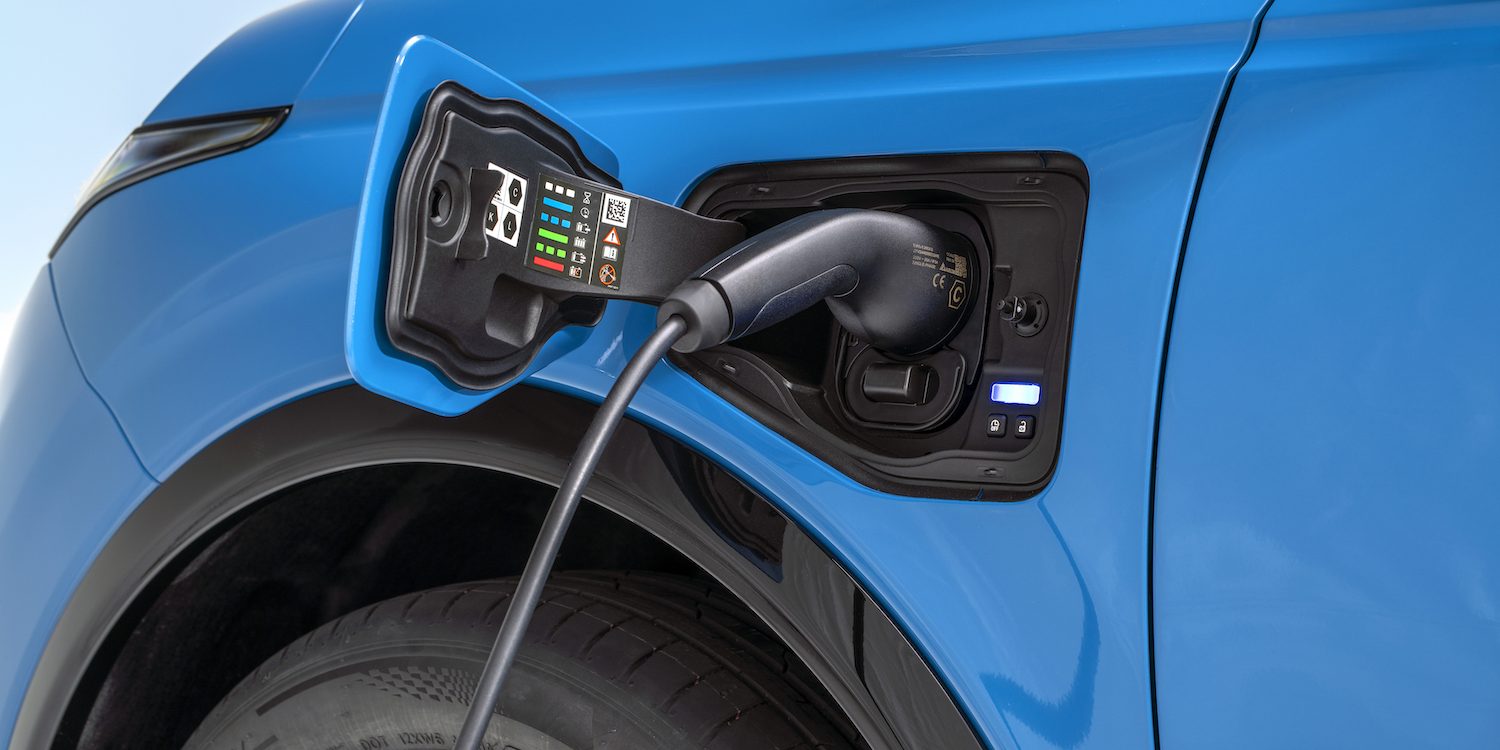
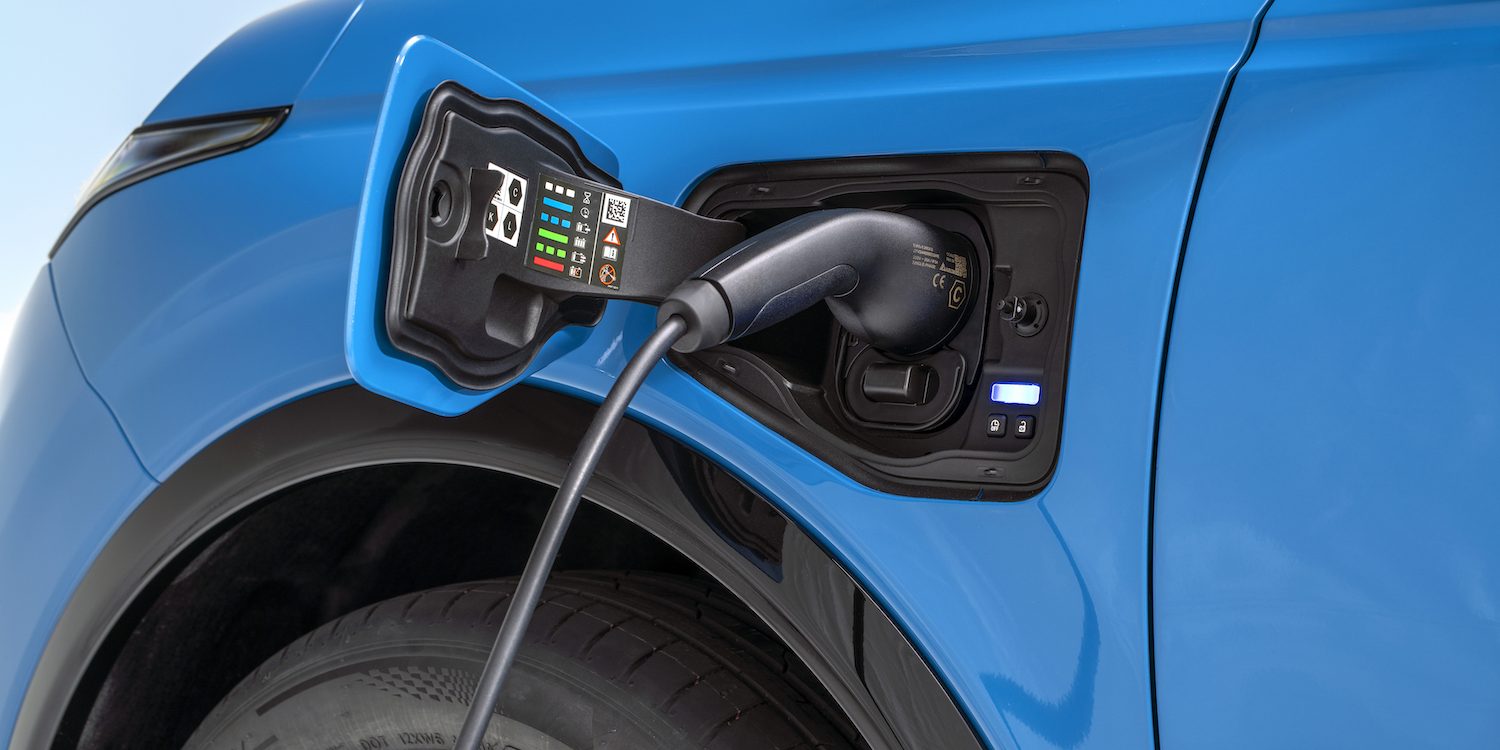
Anyone who charges an electric car at home is about to pay a little more for every mile. From 1 July 2026, Ofgem’s energy price cap rises by 13 percent, taking the typical electricity unit rate on a standard variable tariff to 26.11p per kilowatt hour, up from 24.67p in the April to June period. The standing charge for electricity climbs to 57.19p a day. For the roughly two thirds of EV owners who plug in on the driveway, that is the number that decides what a full battery costs, and it is going the wrong way for the first time since the spring.
The good news is that the increase is smaller for electricity than the headline 13 percent suggests. Ofgem says the electricity portion of a typical bill rises by around 5 percent, with the bulk of the 13 percent jump driven by gas, which climbs roughly 24 percent. For an EV driver who heats with gas and charges with electricity, the charging hit is the gentler of the two. It still pushes the cost of a home top up higher than it was a week earlier, and it lands just as summer holiday mileage climbs.
What is actually changing on 1 July
The price cap set by the regulator does not cap your total bill. It limits the maximum unit rate and standing charge that a supplier can charge a household on a standard variable tariff. From 1 July to 30 September 2026, the capped electricity rate is 26.11p per kWh and the daily standing charge is 57.19p, figures that include VAT at 5 percent and represent an average across England, Scotland and Wales. Rates vary slightly by region and by how you pay, with prepayment and on demand customers facing different numbers.
The cap level for a typical dual fuel household is now around 1,663 pounds a year. That figure assumes typical consumption and is not a ceiling on what you personally pay, because your bill depends on how much energy you use. For an electric car, the relevant question is simpler: how many kilowatt hours does it take to fill the battery, and what does each one now cost.
What it means for the cost of a home charge
Take a common 60kWh battery, the sort fitted to a Kia EV6, a Volkswagen ID.3 in larger battery form or a Tesla Model 3. Charging it from near empty to full at the new capped rate of 26.11p per kWh costs about 15.67 pounds, before charging losses. At the old 24.67p rate it would have been about 14.80 pounds, so the rise adds roughly 87p to a full charge. A smaller 40kWh car such as a base Nissan Leaf moves from about 9.87 pounds to 10.44 pounds a fill. A large 77kWh pack in a Volkswagen ID.4 or Audi Q4 goes from about 19 pounds to 20.10 pounds.
Across a year those pennies add up. A driver covering 8,000 miles in a car that uses around 3.5 miles per kWh needs roughly 2,285kWh. At the new rate that is about 597 pounds a year of electricity, against about 564 pounds at the old rate, an increase of around 33 pounds. It is not the kind of jump that changes whether an EV makes sense, but it is real money, and it is the direction of travel that frustrates owners who switched partly to escape volatile pump prices.
Why home charging still beats petrol and public chargers
Even at 26.11p per kWh, charging at home remains far cheaper per mile than filling a petrol tank or using a public rapid charger. A petrol car returning 45mpg at around 158p a litre costs roughly 16p a mile in fuel. An efficient EV charged at the new capped home rate costs around 7.5p a mile. That gap is the reason home chargers keep the running costs of an electric car low even as the cap rises.
The contrast with public charging is starker still. Public rapid and ultra rapid networks now charge up to around 79p per kWh, roughly three times the new home rate, and drivers without a driveway pay 20 percent VAT on public charging against just 5 percent at home. That four fold VAT gap, which we covered in our report on the pavement charging penalty, means the July rise does little to close the divide between those who can charge at home and the eight million or so households that cannot. For anyone weighing up the switch, our look at record used electric car sales sets out how the second hand market is making EVs more affordable to buy even as energy costs nudge up.
How to cut your home charging costs
The single most effective move is to come off the standard variable rate entirely. The price cap only applies to standard tariffs, and dedicated EV tariffs sit well below it. The best overnight EV rates in 2026 fall between roughly 6.6p and 8p per kWh for a set off peak window, usually a four to seven hour block in the small hours. At 7p per kWh, that 60kWh battery costs about 4.20 pounds to fill rather than 15.67 pounds at the capped rate, a saving of more than 70 percent on every charge.
To take advantage you need a smart charger or a car that can schedule charging, so the battery draws power only during the cheap window. Set the charge timer to start after the off peak rate begins and to finish before it ends. If your daily mileage is modest, you may not need a full charge every night, so topping up two or three times a week inside the cheap window keeps costs lower again. Compare tariffs at renewal rather than rolling onto a default rate, check whether your supplier charges a higher daytime rate as the trade off for cheap nights, and make sure the sums still work if you cannot always charge overnight.
Drivers who can add solar panels can cut the bill further by charging from their own generation during daylight, though that is a larger upfront decision. For most households the quickest win is simply switching to an EV specific tariff and scheduling charging, which more than cancels out the July increase and then some. It is worth checking your latest bill, which shows the exact unit rate and daily standing charge you are paying, then comparing that figure against the 26.11p cap to judge whether a switch is overdue. Bear in mind the standing charge of 57.19p a day applies whether you charge nightly or barely drive, so low mileage households pay a larger share of their motoring electricity cost in fixed daily charges than heavy users do.
What happens next
The cap is reviewed every three months, so the next change covers October to December 2026 and will be announced in late August. Analysts expect winter rates to stay sensitive to wholesale gas prices, which have been pushed up by Middle East tension since late February. Electricity prices in Britain remain closely tied to gas because gas plants often set the wholesale power price, so an EV driver’s home charging cost is still hostage to the same forces that move petrol and diesel.
There is a longer term policy debate about separating electricity prices from gas, which would in theory make home charging cheaper and more stable. Until that happens, the practical advice does not change. Get onto an EV tariff, charge overnight, and the July rise becomes a rounding error rather than a reason to worry. For the millions who rely on public chargers, the picture is harder, and the pressure on the Treasury to cut the 20 percent public charging VAT to match the 5 percent home rate will only grow as more drivers switch. Our coverage of rising public charging prices tracks where those costs are heading.
Sources:
- https://www.ofgem.gov.uk/news/changes-energy-price-cap-between-1-july-and-30-september-2026
- https://www.ofgem.gov.uk/press-release/energy-price-cap-will-rise-13-july
- https://www.moneysavingexpert.com/news/2026/05/martin-lewis-energy-price-cap-rise-july/
- https://www.honestjohn.co.uk/guides/electric-cars/best-ev-tariff-2026/
- https://www.rac.co.uk/drive/advice/fuel-watch/

Leave a Comment
More in News

UK Drivers Face £200 in French Tolls and €140 Fines for Missing Stickers

Roof Rack Fines Can Reach £2,500 as Holiday Drivers Ignore Safety Checks

UK Breakdown Callouts Jump 20% in Heatwave as Motorists Face Hours-Long Jams

2027 Toyota Sequoia Adds Trailhunter Package and 14-Inch Touchscreen

2027 Toyota Crown Hybrid Adds Fifth-Gen System, Priced From $41,640
Trending on Motoring Chronicle
Silence to Symphony: The Birth of Bugatti’s new Mechanical Heart [Photo Gallery]

Company Car Tax Rises in 2026 as Electric Models Move to a 4 Percent Rate

Phantom Goldfinger makes public debut at Concorso d’Eleganza Villa d’Este [Photo Gallery]

Next-Generation Acura RDX Will Go Hybrid