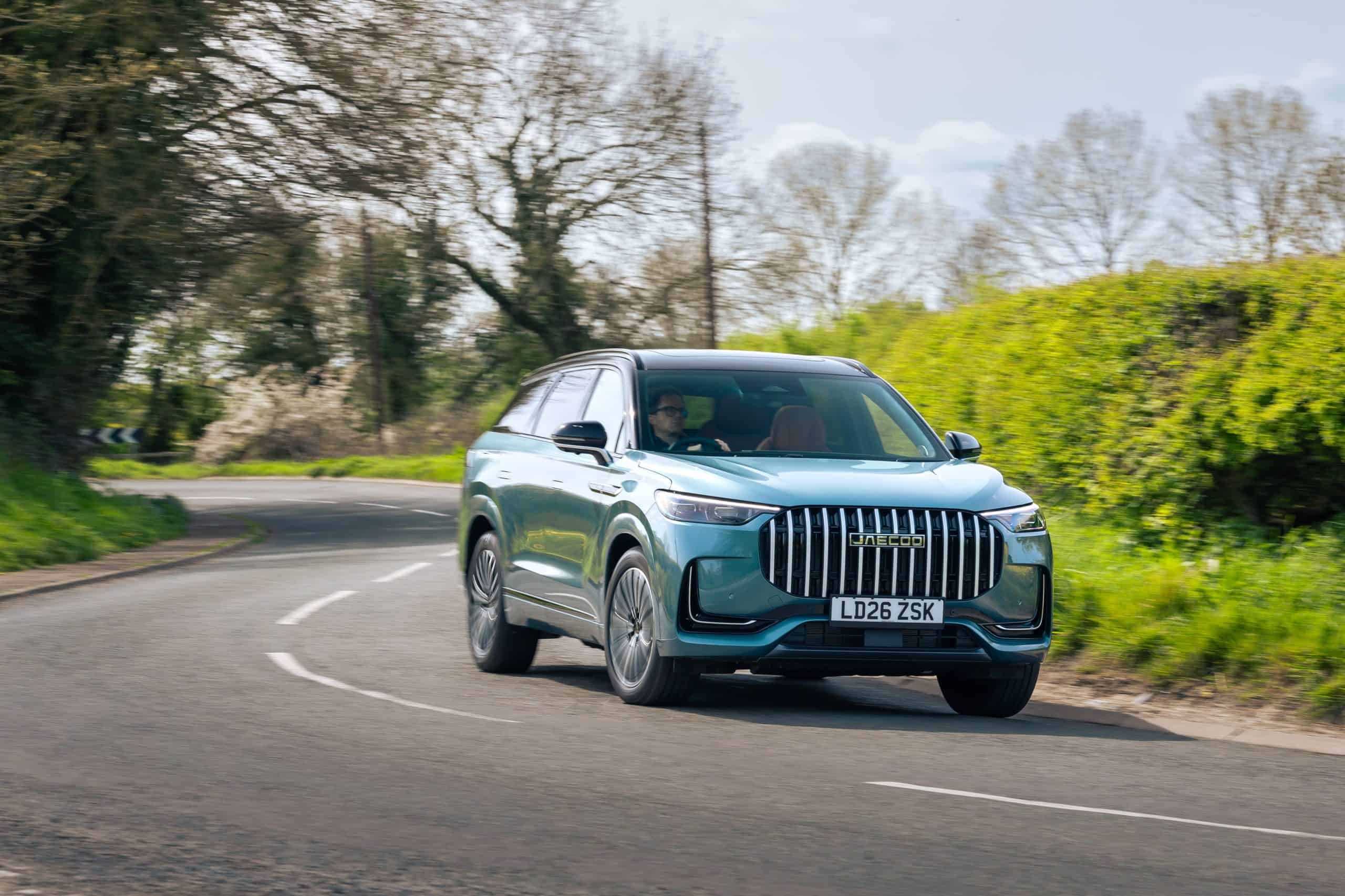
Why Sunny Days Can Cost UK Drivers Up To £4,700 in Hidden Fines This Summer


Most UK drivers have a working knowledge of the Highway Code’s night-time and bad-weather rules. What catches many drivers off guard is that bright sunshine creates its own set of legally enforced requirements, and the penalties for ignoring them are far larger than most people realise.
Motoring experts are warning that five visibility-related offences under the Highway Code and the Road Vehicles (Construction and Use) Regulations 1986 carry a combined maximum penalty of £4,700. With temperatures rising and long days arriving across the UK, late May through to August is the window in which these rules are most likely to be tested.
Keith Hawes, director of Nationwide Vehicle Contracts, issued the warning: “Sun glare is one of the most underestimated hazards on the road. Even experienced drivers can be caught out by sudden bursts of bright light, especially during sunrise and sunset. Strong glare can dramatically reduce your visibility and reaction time, so taking simple precautions like keeping your windscreen clean, wearing polarised sunglasses, and increasing your following distance can make a huge difference to your safety.”
The timing of this advice is deliberately seasonal. In late May and June, sunrise falls between 4:47am and 5:06am in London, and sunset between 8:51pm and 9:20pm. That puts low-angle morning light precisely at the start of the working day for early commuters, and evening glare squarely in the middle of summer rush hour for drivers heading west. The sun sits low enough on the horizon during these windows to punch through a windscreen at almost eye level, and on east-west routes the effect can be severe enough to reduce effective visibility to close to zero within seconds.
Wrong Sunglasses: Up to £100
It seems counterintuitive that wearing sunglasses could attract a fine. Highway Code Rule 94 is unambiguous: drivers should not wear tinted glasses, goggles, or visors if they restrict vision. The concern is specific. Some lens tints designed for sports or fashion use can make digital displays appear dimmed or blacked out entirely, including sat-nav screens, dashboard warning lights, and the digital instrument clusters fitted to most cars manufactured after 2019.
A driver caught wearing eyewear that an officer believes is restricting their view of the road faces a fine of up to £100. The Highway Code does not ban sunglasses outright; the offence is specifically eyewear that impairs vision. Polarised lenses with good optical clarity are generally considered safe for driving. The problem is cheap fashion sunglasses with uneven tints, scratched lenses, or very high darkness ratings. Category 3 and 4 lenses, the darkest types, are generally not recommended for driving, particularly at dawn and dusk.
A simple test before setting off: put the glasses on and check whether your dashboard and any displays are clearly visible. If anything appears dimmed, distorted, or missing, leave them off.
Headlights in Daylight: Up to £1,000
Highway Code Rule 226 is one that surprises many drivers. It states that headlights must be used whenever visibility is reduced, and the Code specifically includes bright sun glare in that definition, not just darkness or fog.
The logic is straightforward. In intense glare conditions, a lit vehicle is significantly easier for other road users to detect against the surrounding brightness. Modern cars with automatic daytime running lights provide some of this benefit passively. But older vehicles, those built before around 2011 when DRLs became standard in new EU-market cars, have no automatic lighting, and their drivers are expected to manually switch on dipped headlights when glare conditions demand it.
Failure to comply with Rule 226 carries a fine of up to £1,000. That penalty level reflects how seriously the law treats visibility as a road-safety issue. A driver who cannot be seen by others is a hazard to everyone around them, regardless of how well they can see themselves. The offence falls under failure to comply with Highway Code requirements, which can also result in penalty points in serious cases.
Dirty Windscreens: Up to £1,000
A windscreen that passes a casual inspection in a car park can become opaque within minutes of motorway driving on a sunny day. The combination of dust lifted from dry road surfaces, dried pollen residue, and screen wash films that are only visible when backlit creates a diffuse haze across the glass that worsens dramatically as the sun angle drops.
Regulation 30 of the Road Vehicles (Construction and Use) Regulations 1986 requires that every motor vehicle be maintained so that the driver has “an adequate view” of the road and traffic ahead. A windscreen that fails this standard is a prosecutable offence. The maximum fine is £1,000, and enforcement officers can issue the citation on the spot if they observe a driver operating a vehicle with visibly compromised forward visibility.
Pollen counts across the UK are already elevated through May and June, making the inside of windscreens particularly prone to a fine film of airborne particles that scatter incoming light. Cleaning the glass inside and out before setting off takes two minutes and costs nothing beyond a microfibre cloth.
Cracked or Chipped Windscreens: Up to £2,500
This is the largest single penalty in the set, and it reflects the seriousness with which the law treats structural damage to glass that affects the driver’s primary sightline.
Under Regulation 30, a cracked or chipped windscreen that impairs a driver’s view carries a fine of up to £2,500. In severe cases, an enforcement officer can issue an immediate prohibition notice, meaning the vehicle cannot be driven until the damage is repaired. For MOT purposes, any crack longer than 40mm in the driver’s critical zone, defined as the 290mm band directly in front of the driver within the area swept by the wipers, is an automatic failure.
Summer heat accelerates windscreen damage significantly. The thermal cycling between cool overnight temperatures and the intense solar loading that builds up inside a parked car causes existing chips to propagate into cracks at a much higher rate than in cooler months. A chip that has been stable through winter may develop into a crack within days during a June heatwave. Ultraviolet exposure adds to the stress on the glass.
Most comprehensive car insurance policies include windscreen repair and replacement cover with a zero or very low excess, making this one of the cheapest claims a driver can make. Anyone carrying an unrepaired chip or crack into summer should treat it as an urgent repair, not a cosmetic issue. The typical repair for a single chip takes 30 minutes and, on most policies, costs the driver nothing out of pocket. Waiting until it becomes a full crack means a full replacement, typically costing £200 to £600 for standard glass, or substantially more on vehicles with advanced driver-assistance sensors built into the screen.
Inadequate Stopping Distance: Up to £100
The final element of the £4,700 figure relates to Highway Code requirements on maintaining proper vehicle control and appropriate following distance in conditions of reduced visibility. The Code explicitly includes strong sunlight as a visibility-reducing condition, requiring drivers to reduce speed and extend following distance when glare is affecting their ability to read the road ahead.
During intense glare, a driver’s effective reaction distance increases because the time needed to perceive and process a hazard is longer when visibility is compromised. On a motorway at 70mph, a car covers 31 metres per second. The standard two-second following gap is calculated on the assumption of normal visibility. When a rising or setting sun is rendering brake lights ahead difficult to see, two seconds is not a safe margin. Failure to maintain appropriate control and following distance can result in a £100 fine.
The Highest-Risk Window
Data from the Department for Transport has previously shown that fatal and serious injury collisions rise during periods of low sun, with single-carriageway A and B roads seeing the greatest concentration of glare-related incidents. Drivers who commute east or west on the same roads every day are often least aware of the seasonal shift in sun angles, because the route feels familiar even as the lighting conditions change significantly from week to week through spring and into summer.
The risk is not limited to commuters. School-run drivers, delivery drivers, and anyone making early-morning or late-evening journeys on east-west routes faces the same hazard. The low sun angle at those times can catch any driver out, and the rules that apply to nighttime visibility apply equally when sunshine is the cause of the problem.
What To Do Before Driving in Sunny Conditions
The practical checklist is short. Clean the windscreen inside and out; book a repair for any existing chips or cracks; wear only good-quality polarised or UV-blocking sunglasses that do not distort your view of dashboard screens; switch on dipped headlights if glare is reducing your visibility to other road users; and extend your following distance beyond the standard two seconds. If glare becomes so severe that you cannot see the road ahead, pull over safely and wait for the sun angle to change.
These are not obscure rules designed to catch drivers out. Each one addresses a genuine risk that causes serious injuries on UK roads every year. A clean windscreen, a decent pair of driving glasses and an extra few seconds of following distance add nothing to the cost of a journey, but they do remove a cumulative fine liability that runs to £4,700.
For more on keeping your car roadworthy, see our guide to what the new MOT photo evidence rule means for UK drivers.
Sources:

Leave a Comment
More in News

Automobili Lamborghini unveils a new Temerario Polizia for the Italian State Police

Kia EV2 review: One of the best affordable compact electric cars on the market

EV Owners Face £6,830 Bills in a Battery Gap Warranty and Insurance Both Reject
Why Driving Test Waits Rose Even as DVSA Ran a Record Number of Tests
Nearly a Third of Car Finance Trade-Ins Are Now Underwater, Data Shows
Trending on Motoring Chronicle

What Your Engine Oil Color Is Actually Telling You

How Santa Fe Speed and Noise Cameras Will Fine Drivers Starting in August
Subaru UK Offers £1,000 Trade-In Bonus on Crosstrek, Forester and Outback Until 30 June

What Bristol’s Permanent Camera Enforced Traffic Scheme Means for Drivers