
Genesis GV60 Magma deep dive: chassis control
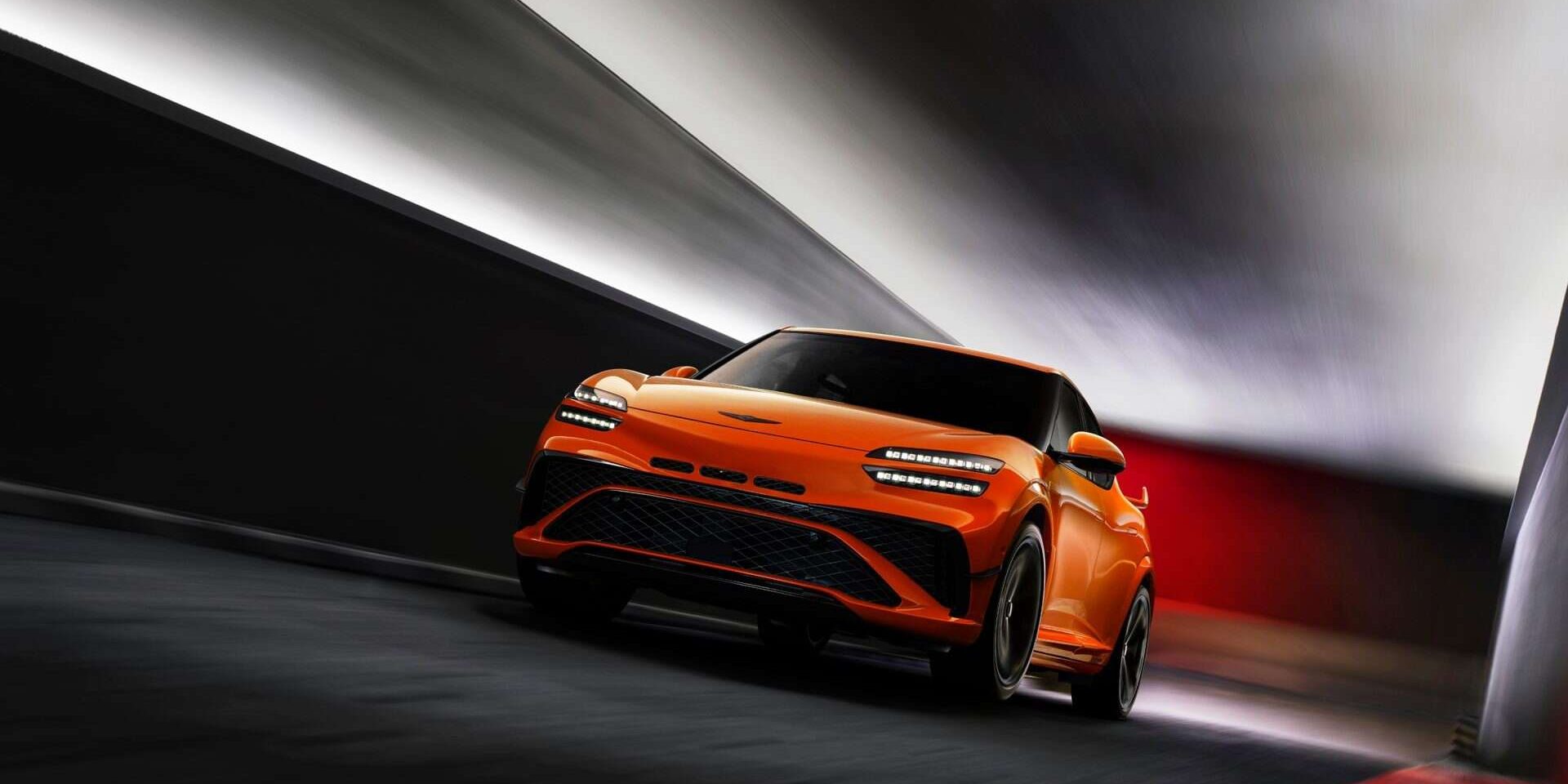
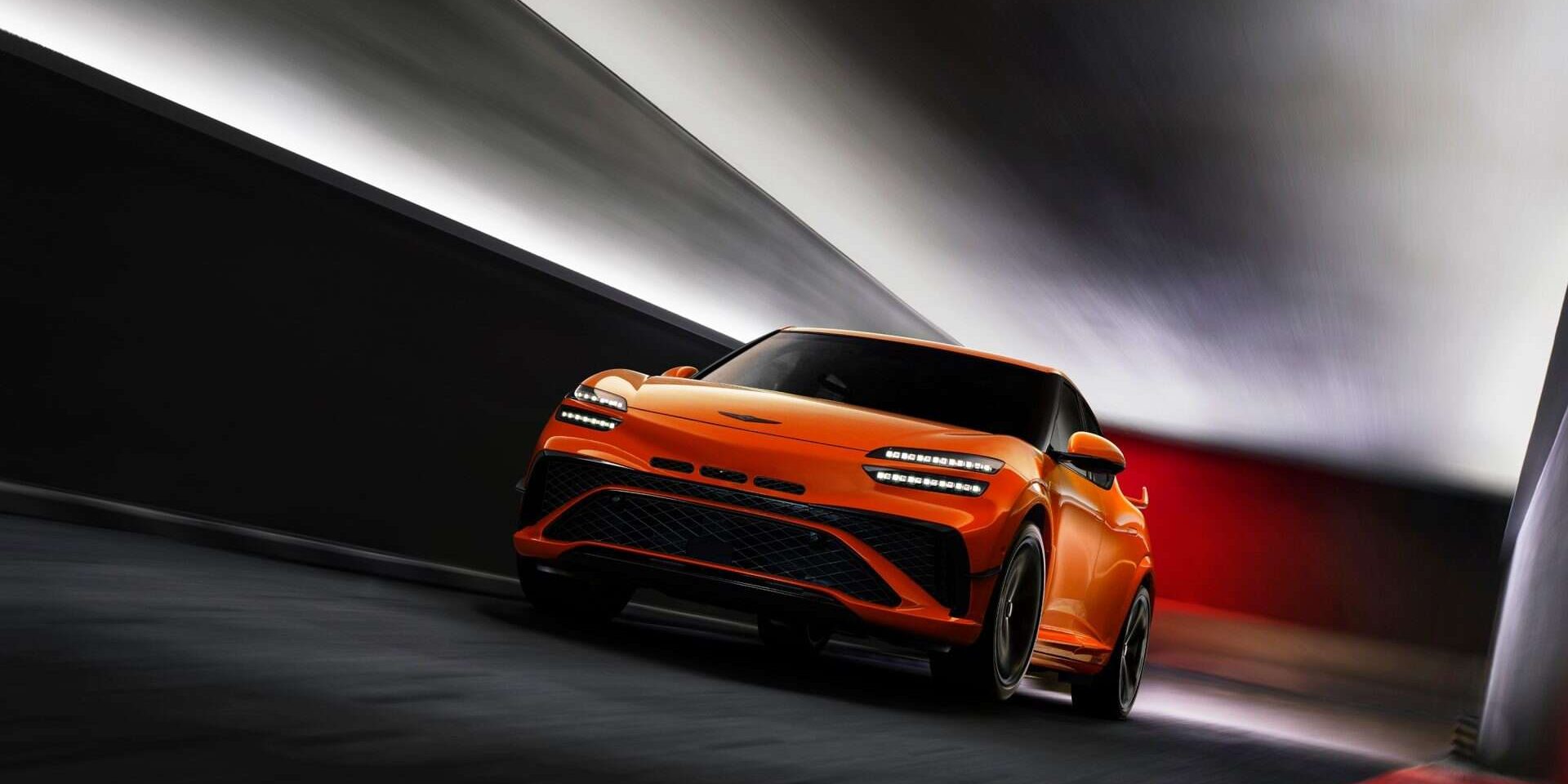
The Genesis GV60 Magma has been meticulously designed and engineered to set a new benchmark for high-performance electric vehicles (EVs), merging sophisticated hardware and software to master the most demanding driving conditions. To deliver driving performance that matches its status as a luxury high-performance EV, Genesis has developed a suite of advanced chassis control technologies.
Predictive Handling Through Advanced Torque Vectoring
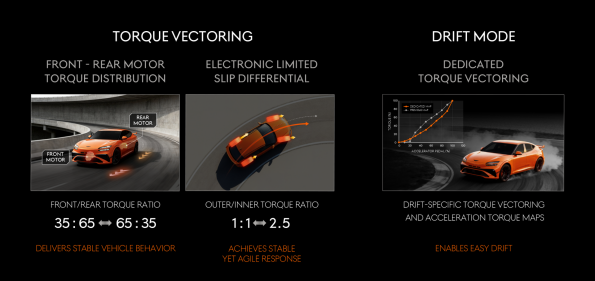
Two new features of the GV60 Magma, torque vectoring and Drift mode, create a feeling of refined chassis control.
At the core of the GV60 Magma’s dynamic character is a state-of-the-art torque vectoring system. The primary objective is to ensure the vehicle’s movements remain predictable and intuitively controllable, even under extreme driving conditions. This is achieved through the seamless integration of the dual electric motors, an electronic Limited-Slip Differential (e-LSD) and the braking system.
The system actively distributes drive power between the front and rear motors to naturally mitigate understeer and oversteer, promoting fluid, continuous cornering behavior during both normal and extreme driving conditions. The rear-mounted e-LSD optimizes the tire grip of the inner and outer wheels as loads shift during cornering, delivering a precise balance of stability and agility. This is further enhanced by brake-based torque vectoring that directly aligns with the driver’s steering inputs even during sharp cornering.
The entire system, which includes the front and rear drive motors, e-LSD and brakes, is configured with refined settings for each electronic stability control (ESC) mode. “Genesis refined the system via rigorous winter testing in Sweden and New Zealand to ensure stable yet playful motion control, even on low-grip surfaces like snow,” explained Gwichul Kim, Senior Research Engineer of the Genesis Chassis Test Team.
The GV60 Magma also introduces a new Drift mode. Genesis engineered this feature to make the thrilling dynamics of drifting accessible and controllable in an all-wheel-drive electric vehicle. By employing drift-specific torque vectoring logic and a unique acceleration map, the system induces natural, sustained oversteer, allowing the driver to more easily maintain the vehicle’s attitude during a drift.
Uncompromising Braking Performance
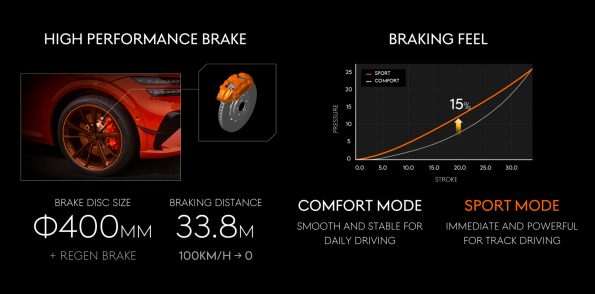
The braking feel of the GV60 Magma’s high-performance brakes is adjusted depending on if Comfort mode or Sport mode is selected.
The GV60 Magma is equipped with a braking system equal to the demands of its high-output electric powertrain and optimized regenerative braking control. Large 400-millimeter disc brakes, monoblock calipers and high-performance Anti-lock Brake System (ABS) control work in concert to produce enough stopping power to, in just 33.8 meters, bring the vehicle to a full stop from 100 kilometers per hour.
The system maximizes the use of regenerative braking from both front and rear wheels, even during intense braking or ABS activation. This effectively combats brake fade, a phenomenon that occurs during intense driving of a temporary reduction in braking power due to too much heat in the braking system. Furthermore, a regenerative braking slip control function ensures that stability remains uncompromised if wheels slip.
Drivers can also select their preferred braking feel, as different parameters correspond to the different drive modes of the GV60 Magma. Comfort mode provides a smooth, linear response with an initial free stroke area for everyday driving. Sport mode eliminates the free stroke area and increases hydraulic control for immediate, powerful responsiveness suited for the track. Braking power is also increased by approximately 15 percent at high speeds in Sport mode, delivering an enhanced level of confidence and control.
If you enjoyed this article, be sure to follow us on Microsoft Start.

Leave a Comment
More in News

$4 Gas Looms for First Time in Three Years

The new Mercedes-Maybach S-Class: True class runs deep

Polestar scales battery circularity across Polestar 2 and Polestar 3

Why Most Drivers Are Holding the Steering Wheel Wrong

Toyota Kicks Off a Milestone Year with a $1 Billion Investment in Kentucky and Indiana
Trending on Motoring Chronicle

How to Wash a Black Car Without Scratches: Complete Guide

2026 model year Audi A5 and Q5 see significant digital design, technology and dynamic enhancements

Conquer Every Corner in the 2026 Toyota GR Corolla
How Long Does Brake Fluid Actually Last?
