
Newsom Blames Trump for Gas Prices, Industry Disagrees
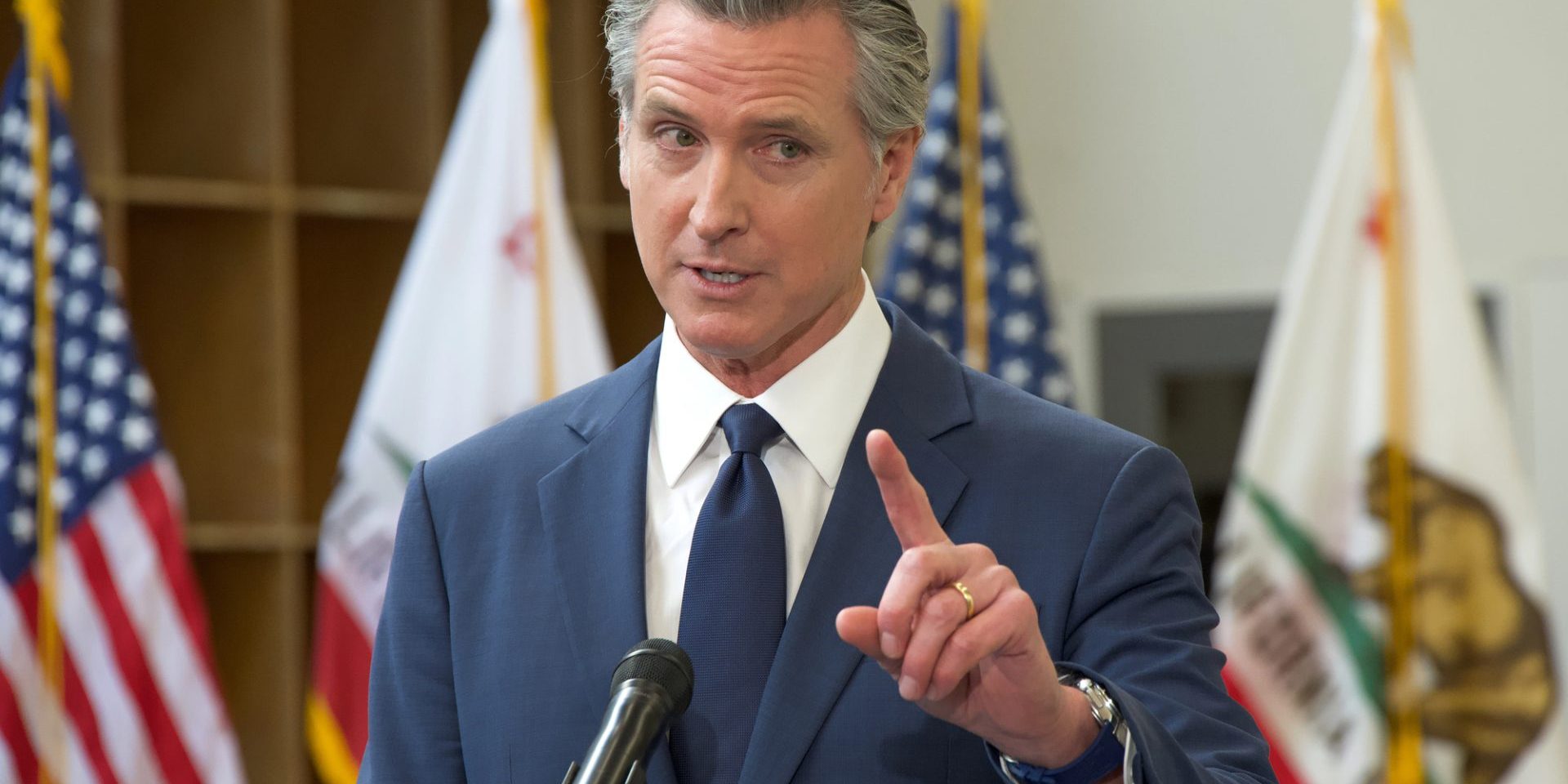
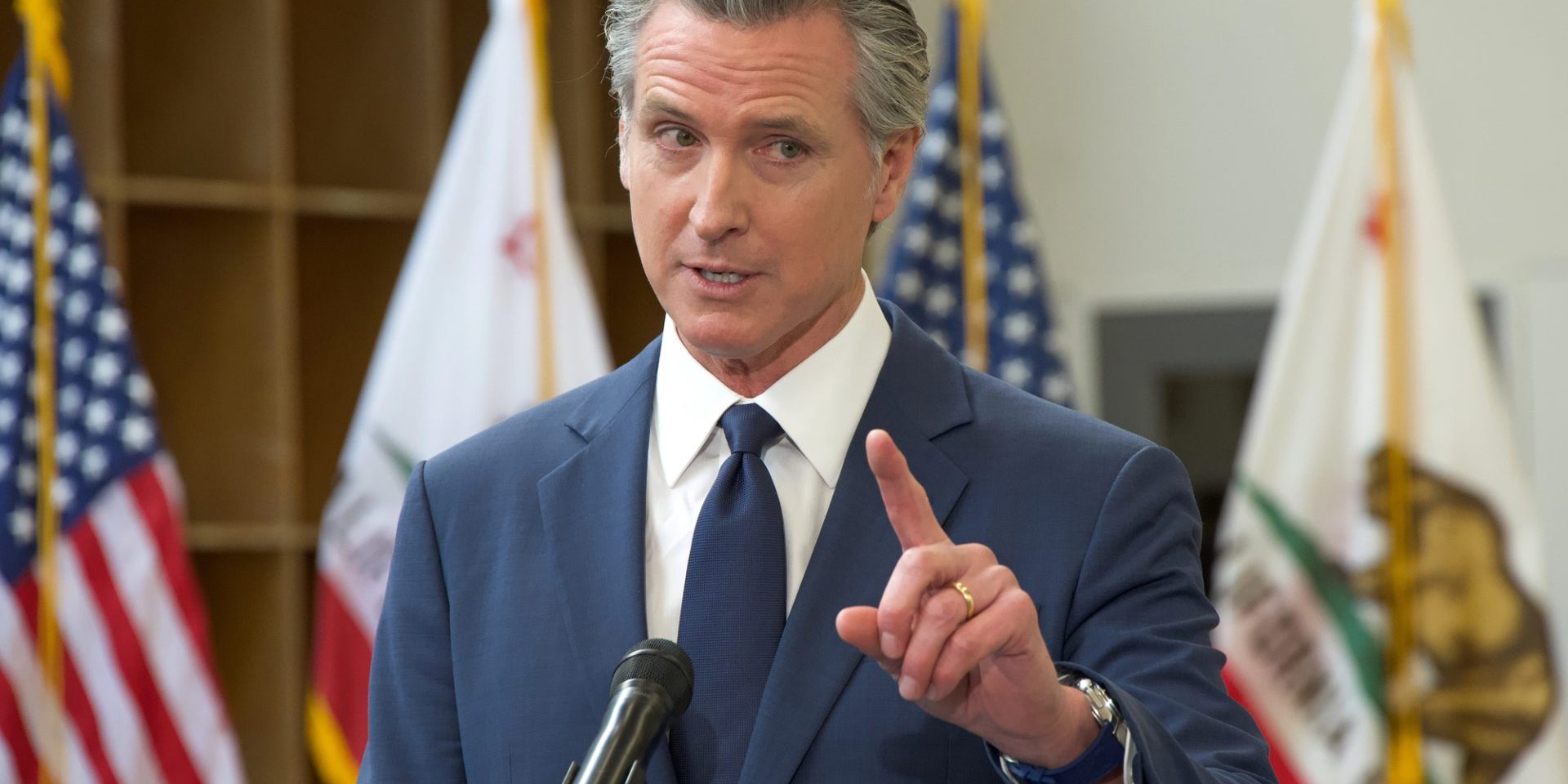
- California Governor Gavin Newsom blamed President Trump and the war in Iran for rising gas prices, drawing a sharp rebuttal from the U.S. Oil and Gas Association, which cited the state’s falling domestic production and refinery closures on Newsom’s watch.
- California imports 63 percent of its crude from foreign countries while holding at least 1.7 billion barrels in proven reserves, with two major refineries, Phillips 66 in Bakersfield and Valero in Benicia, closed or closing under Newsom’s governorship.
- GasBuddy petroleum analyst Matt McClain declined to predict whether California gas prices will hit $5, saying the outcome depends on a conflict the president has warned could run for another month.
California Governor Gavin Newsom drew sharp criticism from the U.S. Oil and Gas Association on Monday after blaming President Trump and the war in Iran for driving up gas prices across the state.
Newsom had pointed to California’s two-year stretch with pump prices below $5 as evidence of stable management, noting the state already holds the highest gas prices in the country. After Trump launched strikes against Iran, Newsom accused the president of “rattling markets.”
The trade association representing the domestic oil and natural gas industry pushed back immediately on X.
“Holy —-. Where to start?” the group wrote on X. “California’s oil & gas resources are massive but underutilized. In fact, CA’s production has dropped by half since 2005.”
The organization followed with data on the state’s untapped reserves.
“Proved oil reserves: ~1.4B barrels with some estimates as high as 30B. Natural gas: Proved ~1 Tcf; est. onshore 2–3 Tcf, with offshore around 16 Tcf,” they wrote, referring to the total hydrocarbon potential of major oil and gas fields. Tcf stands for trillion cubic feet, a standard unit of measurement in the oil and gas industry.
“So why has production steadily declined? Take a wild guess. Maybe because of leadership like this,” the post added.
The criticism was not new. The nonprofit had already targeted the state’s foreign oil dependency in a Feb. 28 post on X.
“California imports 63% of its crude from foreign countries — despite sitting on at least 1.7 billion barrels of proven reserves,” the nonprofit wrote in a Feb. 28 X post.
“The only state worried about rattling foreign markets is California because you have let yourselves become dependent on foreign supplies. You’ve done this to yourselves,” the post continued.
The dispute runs alongside the closure of two of the state’s oil refineries. The Phillips 66 facility in Bakersfield shut in December 2025, and Valero’s Benicia refinery is set to close next month. Critics attribute both closures partly to Newsom’s environmental regulations, including a 2023 refinery price-cap law they say accelerated the wind-downs and deepened California’s reliance on imported crude. Newsom signed SB 237 last year, authorizing up to 2,000 new drilling permits annually in Kern County, though opponents argue the move came too late to offset the losses in refining capacity.
With the Middle East conflict ongoing and Trump warning it could continue for another month, analysts expect pump prices to climb further. California drivers could see increases of between 10 and 30 cents as early as Wednesday morning.
GasBuddy petroleum analyst Matt McClain told the Daily Breeze that the $5 threshold is not off the table.
“I’m not going to rule out $5, but I’m also not going to rule it in,” he said. “It’s not looking like we will have a ceasefire tomorrow by any stretch, but just in case we do, we won’t make any predictions. An ongoing conflict is unpredictable.”
California already holds the highest gas prices in the country. The combination of refinery closures, high import dependency, and escalating regional conflict has narrowed the gap between current prices and the $5 mark that would apply the most direct political pressure on the governor.
Leave a Comment
More in News
Gas Prices Post Biggest Jump in Three Years
Dario Franchitti eclipses GT3 benchmark to sign off production T.50s
Subaru Announces No-Cost Highway Hands-Free Driving Assist Update
How Long Does Brake Fluid Actually Last?
Pennsylvania’s New License Plate Is Causing Toll Billing Chaos
Trending on Motoring Chronicle
Hyundai Palisade, IONIQ 5, and Kona Awarded With Trio of Kelley Blue Book 2026 Best Buy Awards
Automobili Lamborghini celebrates Polo Storico’s tenth anniversary [Photo Gallery]
How EV Brakes Actually Wear Faster Than You Think

Highly exclusive: The Mercedes-Benz G-Class Edition STRONGER THAN THE 1980s celebrates the origins of the off-road icon [Photo Gallery]