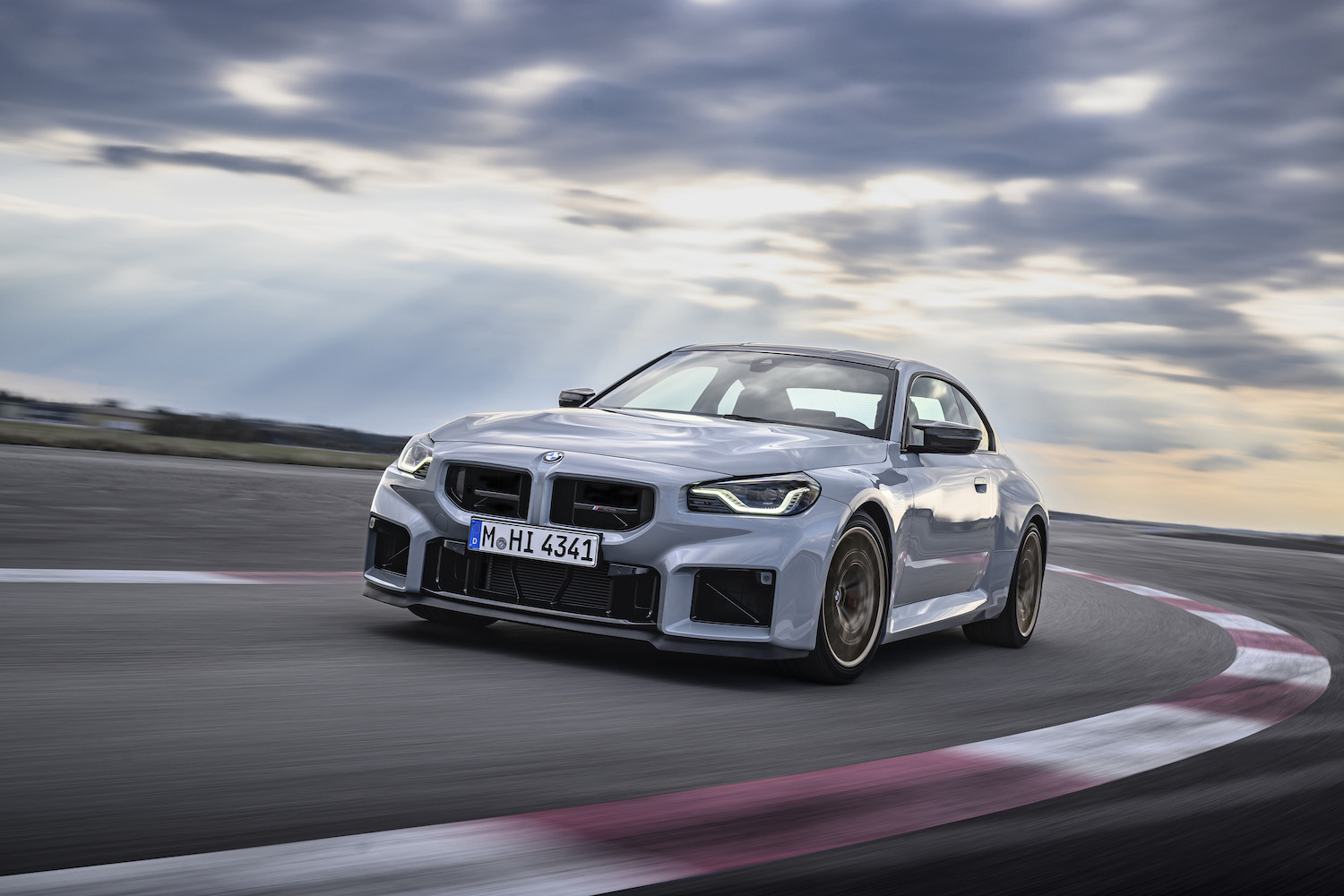
Trump Ends 15 Years of EPA Emissions Rules, Paving the Way for More SUVs and Fewer EVs
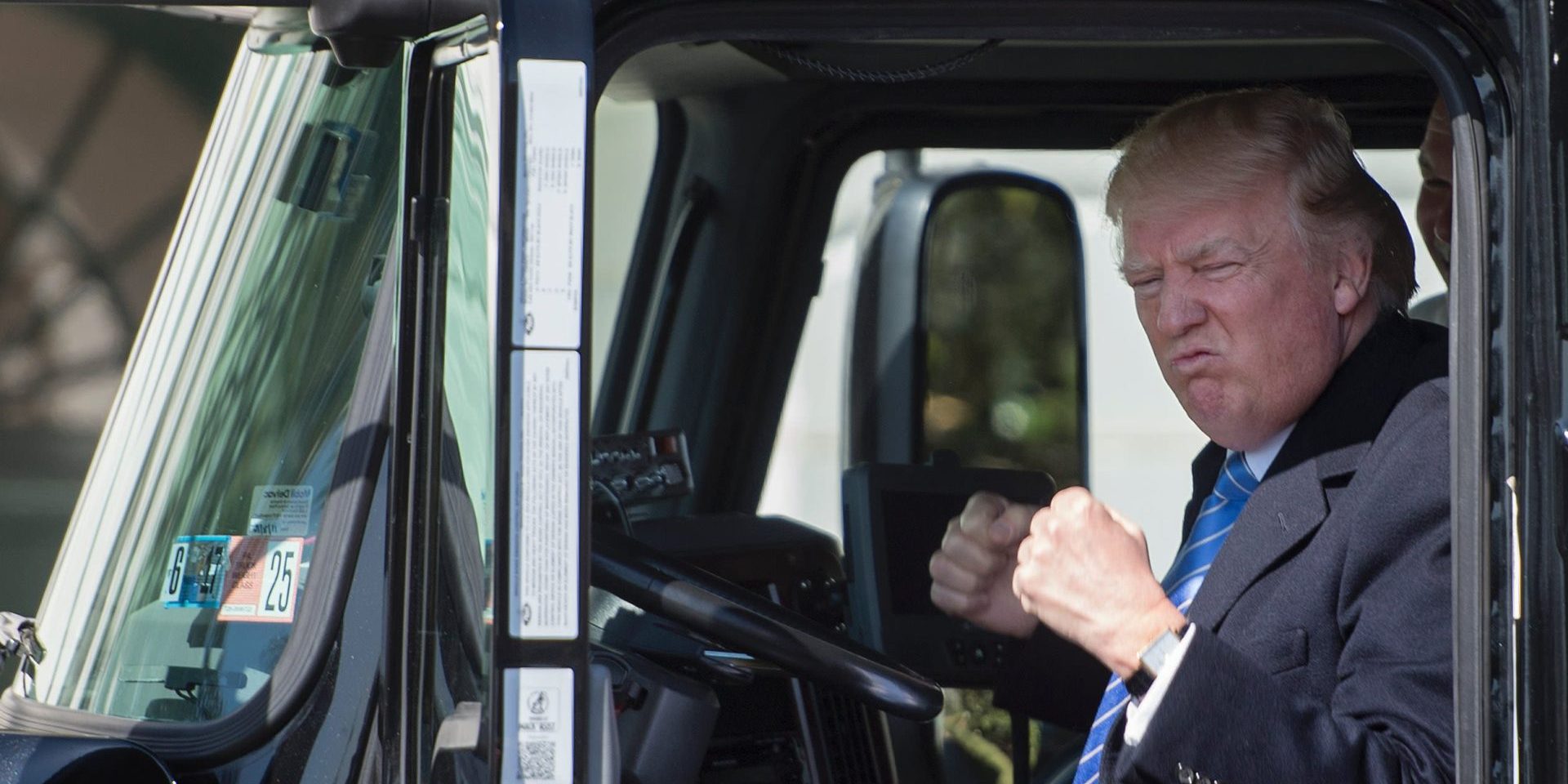
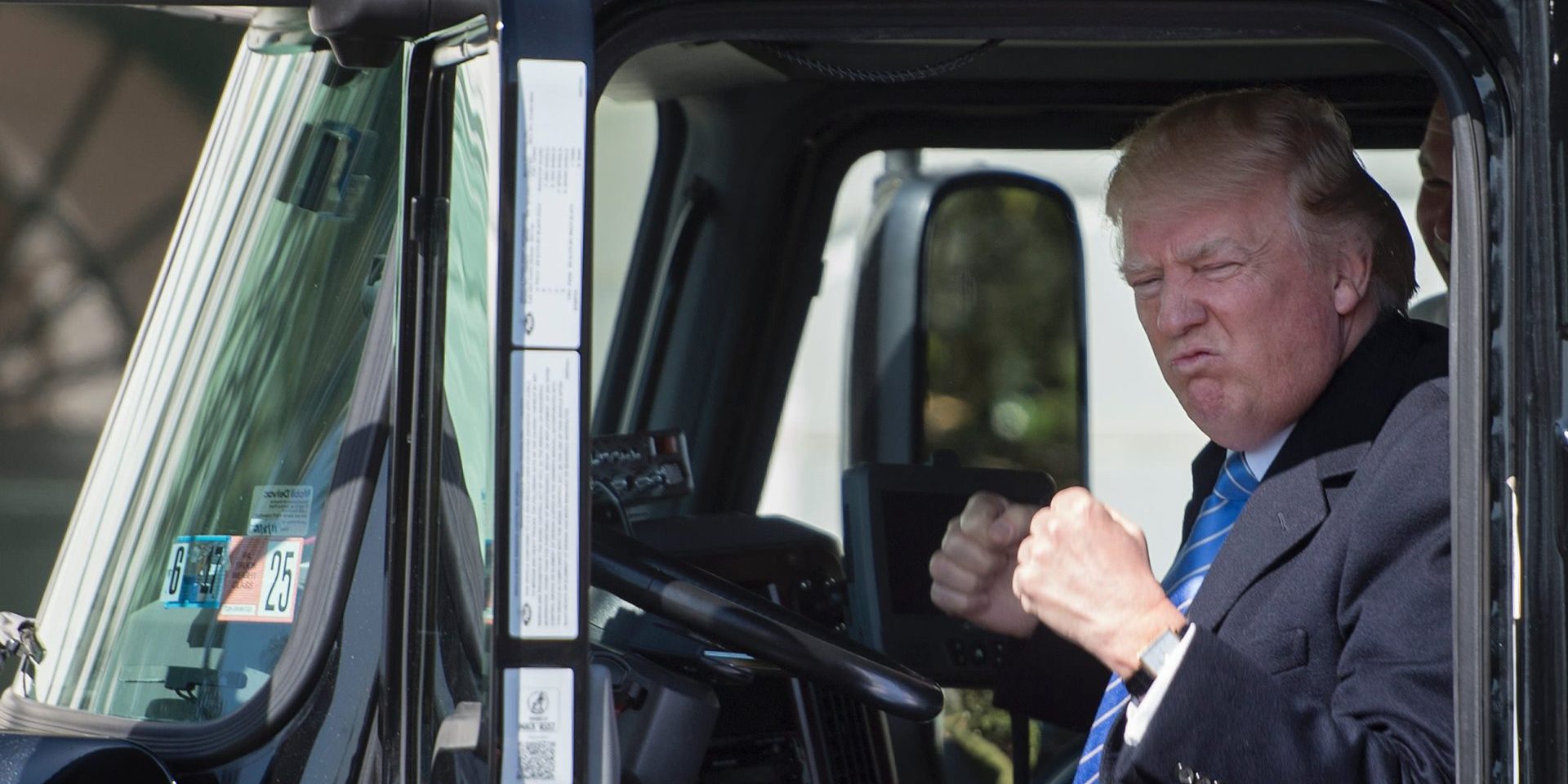
- The Trump administration’s repeal of the EPA’s 2009 endangerment finding eliminates greenhouse gas standards that governed automakers for more than 15 years, with Congress simultaneously removing penalties for violating Corporate Average Fuel Economy targets.
- Industry analysts expect dealership lots to shift toward higher-margin trucks and SUVs, with several fuel-saving technologies likely phased out, while automakers including Ford and Toyota maintain commitments to electric and hybrid development.
- Experts warn the US risks falling behind global auto markets, with manufacturers worldwide convinced the transition to electric vehicles is inevitable regardless of American domestic policy.
The Trump administration’s dismantling of automotive emissions regulations is set to reshape what American buyers find on dealership lots, though industry analysts say the effects will arrive gradually rather than overnight.
The repeal of the Environmental Protection Agency’s 2009 endangerment finding eliminates greenhouse gas standards that governed automakers for more than 15 years. The repeal followed Congress zeroing out penalties for violating Corporate Average Fuel Economy (CAFE) targets as part of the One Big Beautiful Bill Act. The regulatory shift is expected to affect both the types of vehicles offered to consumers and the technology built into them.
Among the first technologies to disappear could be stop/start systems, which cut engine power when a vehicle sits idle in traffic and restart it when the driver moves off.
“I definitely think the stop/start technology, stuff like that, will probably go away,” said Stephanie Valdez Streaty, director of industry insights at Cox Automotive.
Other technologies facing potential phase-out include waste heat recovery systems, solar reflective surface coatings, and high-efficiency exterior lighting. Stellantis indicated the pace of change would vary across its model range.
Technologies like start-stop systems “will continue to vary by vehicle and market as the company evaluates consumer preferences, regulatory requirements, and vehicle design,” Ann Marie Fortunate, a spokesperson for Stellantis, told CNN.
The composition of dealership lots is also expected to shift. With greenhouse gas constraints removed, automakers gain room to prioritize vehicles carrying the highest profit margins, with full-size trucks and SUVs at the top of that list.
“(Deregulation) gives the manufacturer some breathing room to really produce more of those more profitable vehicles,” Valdez Streaty said, in reference to higher-margin combustion engine and hybrid options, along with bigger trucks and SUVs historically favored by American consumers. “I think we’ll start to see more of those on the dealer lots.”
Cox Automotive data shows full-size truck sales are up 14 percent year over year, full-size SUV sales are up 23.9 percent, and midsize truck sales are up 21.2 percent.
The trend toward larger vehicles was already underway before the regulatory rollback. Stellantis cancelled its line of Jeep plug-in hybrids earlier this year, and companies including Nissan and Tesla have halted or ended some EV models entirely.
Analysts caution against expecting an overnight transformation at dealerships. Vehicle development cycles span years, and automakers will not redesign lineups on short notice in response to policy changes.
“The reality is that politics can move much faster than the auto industry. Policy changes tend to influence vehicle production gradually, over multiple model years, rather than triggering sudden price resets,” Valdez Streaty said.
Ford has not yet committed to a specific direction in response to the changes.
“Ford is still evaluating the impacts of (repealing the EPA’s endangerment finding) on our business,” Benjamin Khoshbin, a spokesperson for Ford, told CNN.
Electric vehicles are not leaving American lots. Automakers have grown cautious about major EV commitments after sales disappointed following the elimination of federal tax credits for zero-emissions vehicles. Detroit’s three major automakers, Stellantis, Ford, and General Motors, disclosed billions of dollars in EV-related write-downs in recent quarters.
Ford recently announced development of the next-generation F-150 Lightning extended-range electric vehicle, along with a budget-priced line of mid-sized electric trucks planned for 2027. Starting at $30,000, the lineup includes a battery configuration that adds nearly 50 miles of driving range.
Toyota is holding its electric course.
“TMNA’s (Toyota Motor North America’s) total electrified portfolio, including BEVs, will make up 70% of U.S. sales by 2030,” Leigh Anne Sessions, a spokesperson for Toyota, told CNN in a statement.
Hybrid vehicles are expected to gain ground in the near term. Toyota currently offers more than a dozen hybrid options across its 2026 lineup, appealing to buyers who want better fuel economy without the range concerns and charging infrastructure requirements that come with fully electric vehicles.
For buyers, that translates to a dealer lot that looks broadly familiar in the short term, with a heavier mix of trucks, SUVs, and hybrids, and a slower expansion of pure electric options as automakers reassess their product roadmaps.
The global picture adds a competitive dimension that automakers cannot ignore. American manufacturers sell vehicles in Europe and other markets where emissions standards remain strict. Industry analysts warn that pulling back too far from electrification at home could erode their ability to compete internationally.
“There is no doubt that the US risks becoming an outlier market — building up capabilities for designing and building vehicles that literally do not sell anywhere else in the world,” John Paul MacDuffie, professor of management at the Wharton School of Business, said.
“If you talk with auto companies from around the world… they are quite convinced that the transition to electric is inevitable. They figure the US will just lag in that adoption,” MacDuffie said.
If you enjoyed this article, be sure to follow us on Microsoft Start.
Leave a Comment
More in News

95% of women drivers say they have experienced aggressive behaviour
Council Shuts Down Pub Landlord’s Free Charity Rides

Trump’s Tariffs Have Added Up to $4,000 to Some Car Prices

Why Lifting Windshield Wipers in Winter May Be Doing More Harm Than Good
Delaware Woman’s Engagement Ring Vanishes at Car Wash After She Left It on the Seat
Trending on Motoring Chronicle
‘The Black Rose’ Batur revealed, featuring 3D printed rose gold [Photo Gallery]
New Range Rover Sport SV Carbon completes dynamic luxury performance flagship line-up [Photo Gallery]
Timeless elegance and speed: a glimpse into the design process of the Bugatti Tourbillon [Photo Gallery]
How long does oil last in a car not driven?