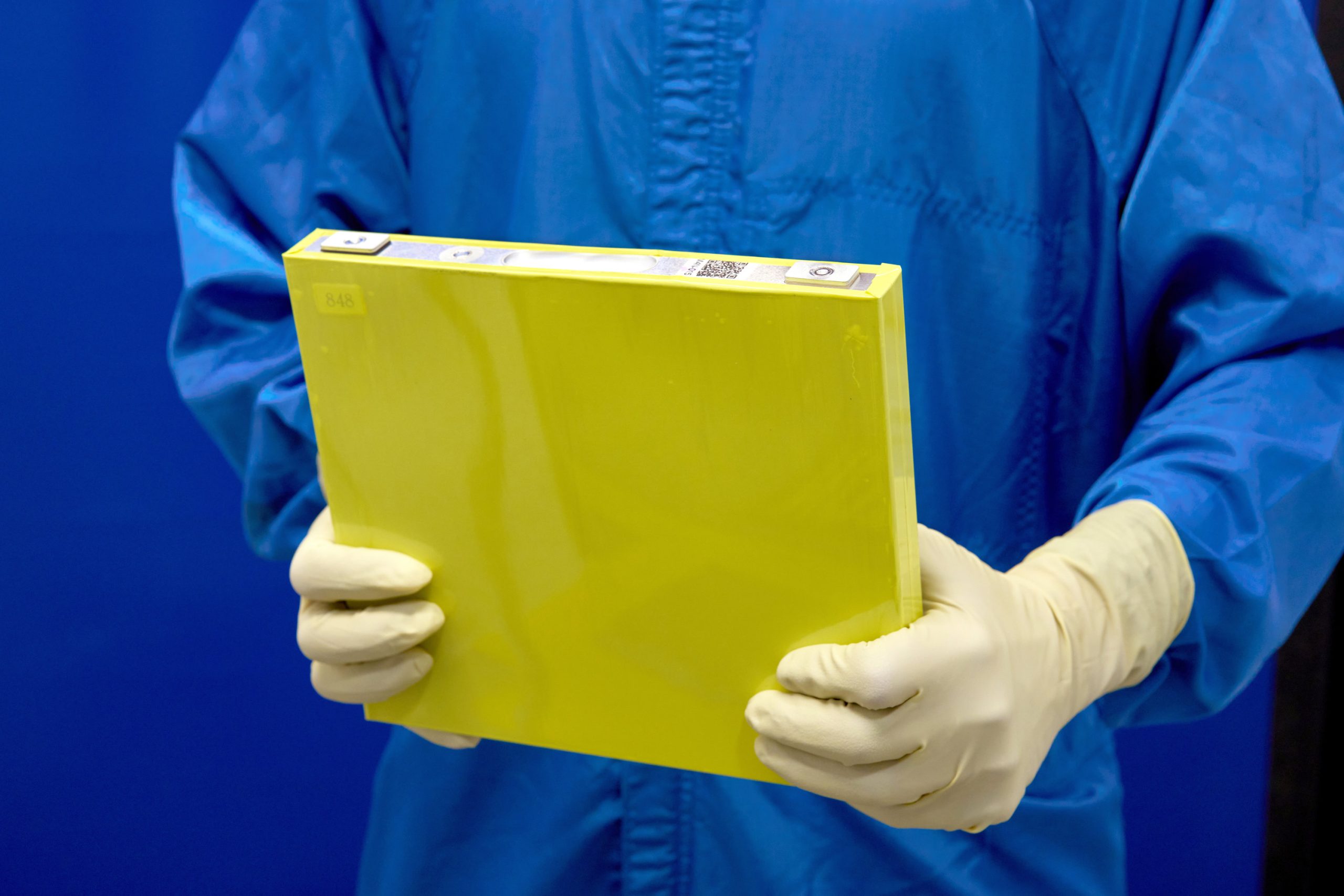
GM leads the charge in vehicle-to-home EVs: inside the home energy ecosystem
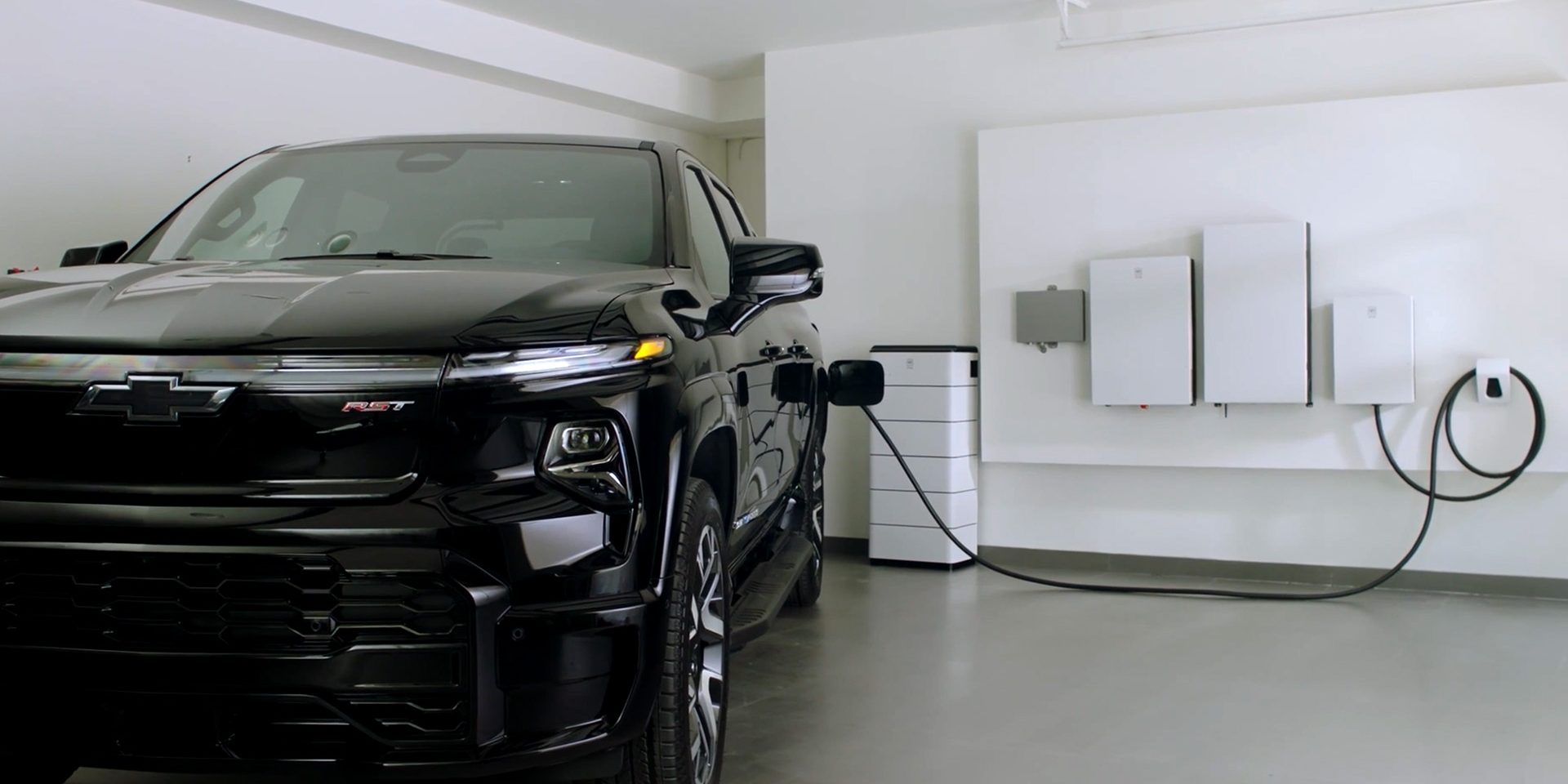
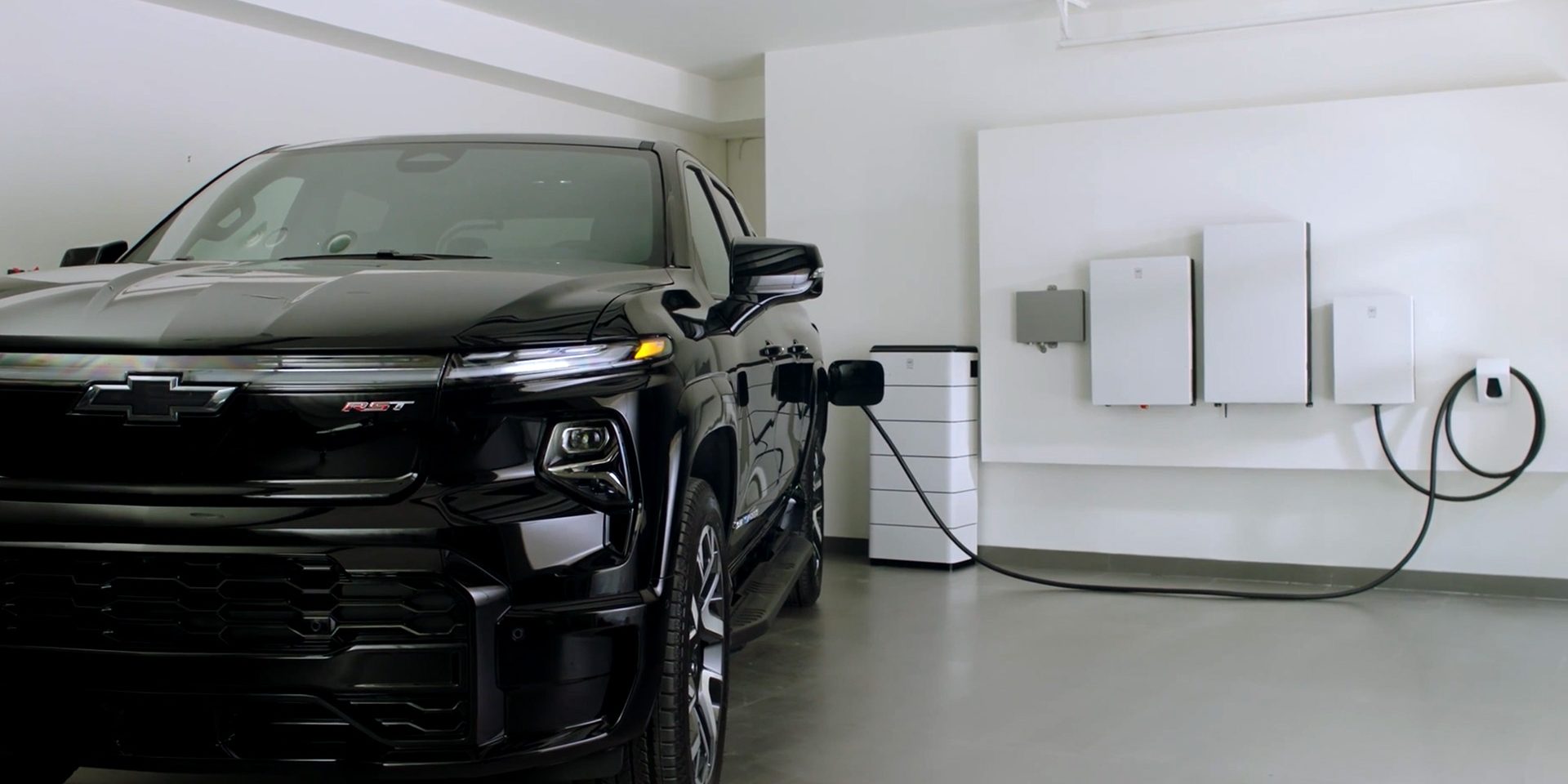
General Motors is building electric vehicles that do more than drive. In addition to being a top-two EV seller1 in the U.S. in 2025, the company sold more than 246,000 vehicles equipped with the technology to help provide power to a properly equipped home2 during an outage. That’s a lot of vehicles ready to get to work on something new. Through GM Energy, these vehicle-to-home (V2H) capable GM EVs pair with available home energy management systems that let your car and house work together. When the grid goes down, your V2H-capable GM EV can help pick up the slack.
GM Energy is working to make this powerful tech more accessible by exploring a leasing program for GM Energy’s home energy management systems and PowerBank home batteries. Instead of paying upfront, this solution is aimed at providing homeowners the option to pay monthly, similar to a vehicle lease. It’s a practical move that lowers the barrier to entry and fits into how people budget. More details will be shared closer to launch.
“We built GM Energy to unlock new benefits unique to EVs. How incredible is it that a GM EV can provide power to your properly equipped home, help manage your energy costs, and in the future will work with the grid?” said Wade Sheffer, vice president of GM Energy. “With leasing, we’re removing a barrier and trying to make this technology available to any homeowner, not just GM EV owners. This is about giving people a smarter way to manage their energy and getting more value out of every dollar they spend.”
Energy Brings Relief and Control
Every homeowner’s energy needs are different. Take Jon McNeill. He wanted reliable backup power and a path toward energy independence. By combining compatible solar, battery storage, and his Chevrolet Silverado EV, he’s managing his energy costs and positioning himself to earn utility incentives.
And Jon’s not alone. See how Jack and Jodie use their system to stay powered during hurricane evacuations, and how Kennet is saving on his electric bill.
Some owners have kept the lights on during Gulf Coast hurricanes or West Coast wildfires. Others are lowering their electric bill by charging overnight and using stored energy during peak hours. In Texas, GM’s “Free Charge Nights” program with Reliant Energy makes that even easier. Other utilities are getting on board with programs like PG&E’s vehicle-to-everything (V2X) pilot, which can allow EVs to send power back to the home, the grid, or other devices, offering up to $4,500 in incentives for eligible applicants on qualifying GM Energy products. And unlike a gas generator, there’s no noise and no annual maintenance. GM Energy has seen positive internal testing for vehicle-to-grid capability, and is now working to certify it with local utilities, moving closer to a future where your car, your home, and the grid actually work together.
1Ranking based on GM analysis of U.S. new light duty battery electric vehicle sales for calendar year 2025, using industry sales and registration data; GM estimate.
2The GM Energy PowerShift Charger and GM Energy V2H Enablement Kit shown require an adequately charged V2H-capable GM EV, a properly equipped home, and proper grid interconnection. Weather conditions, life of the battery, vehicle variation and usage, and other external factors may impact the capability and duration of power supply. Power supply may be interrupted. It is not recommended that the following devices be powered with the GM Energy PowerShift Charger and V2H Enablement Kit: Medical Devices.
Leave a Comment
More in News

Corvette has strength in numbers at Le Mans
Cadillac Racing Seeking victory with Three Entries at Le Mans

Kyle Petty Charity Ride Across America Announces 30th Anniversary Ride Route
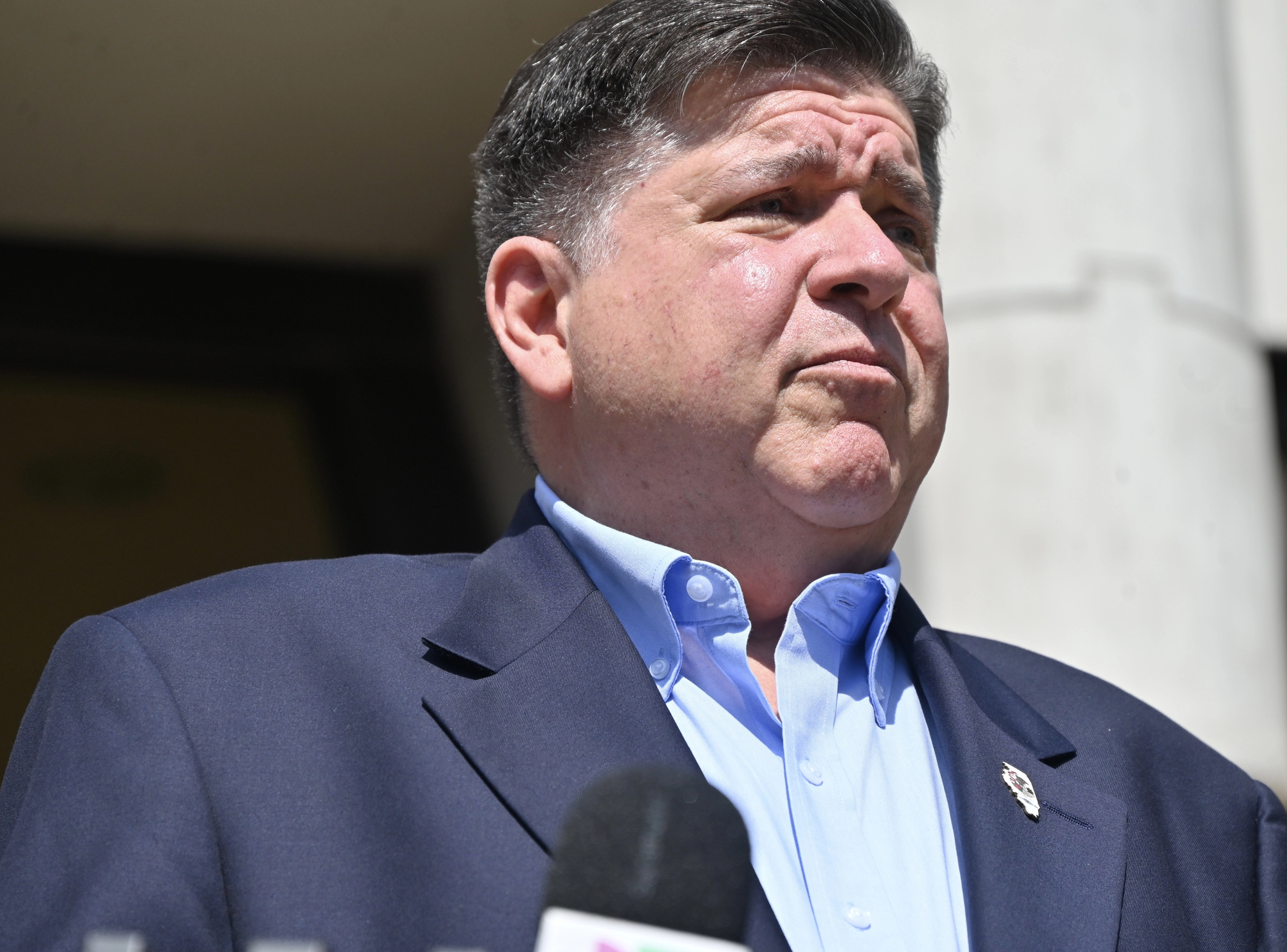
Illinois faces funding threat over illegal CDL audit
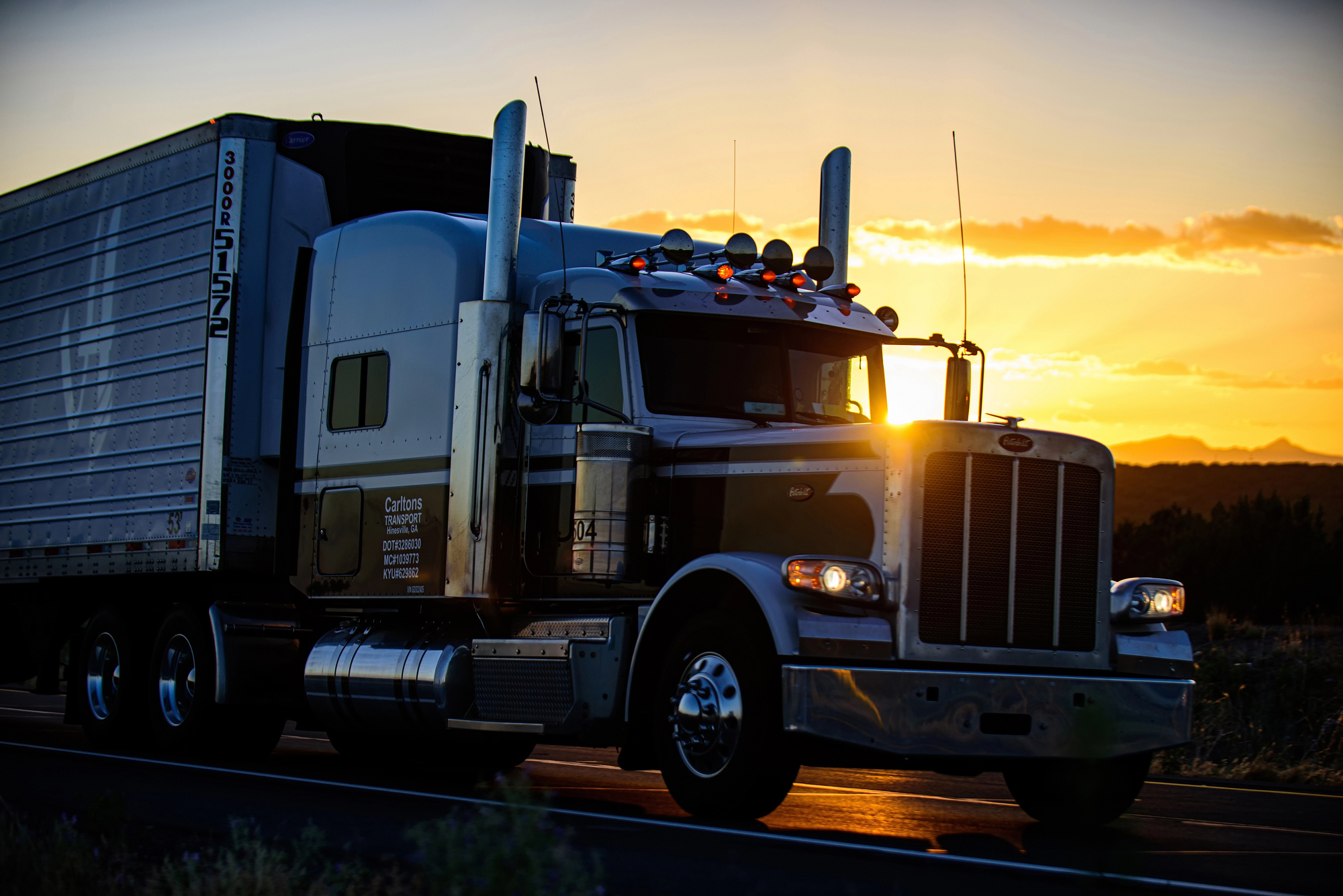
US Government to Shut Down 550 Driving Schools
Trending on Motoring Chronicle
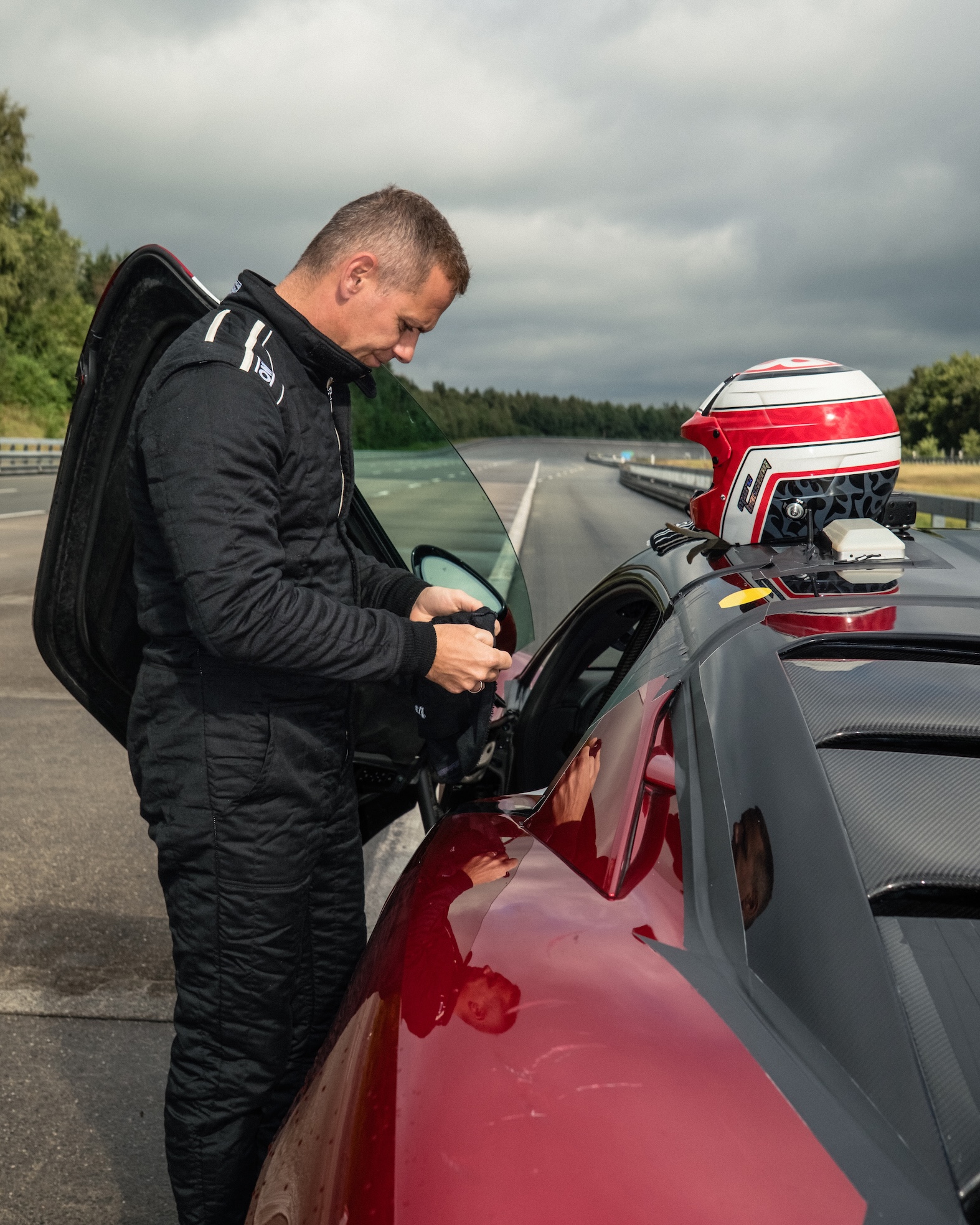
YANGWANG U9 Xtreme becomes world’s fastest production car, with top speed of 308.4 mph [Photo Gallery]
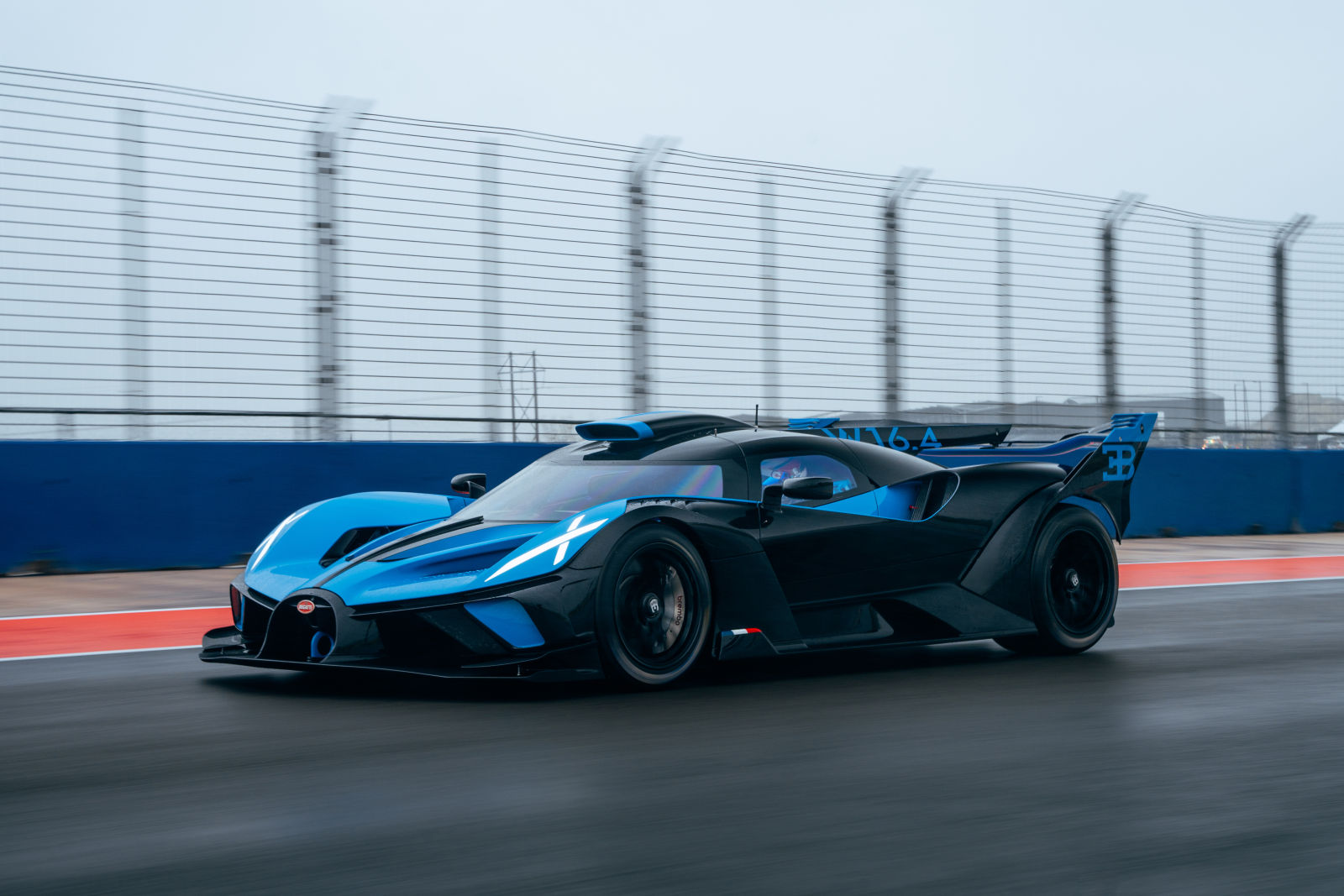
Bugatti Bolide: a customer’s first track experience at the iconic circuit of the Americas [Photo Gallery]
Alfa Romeo Unveils the 2026 Tonale: The Most Expressive and Dynamic Yet
Subaru Announces Limited-Production 2026 Subaru WRX and 2026 Subaru BRZ Series.Yellow