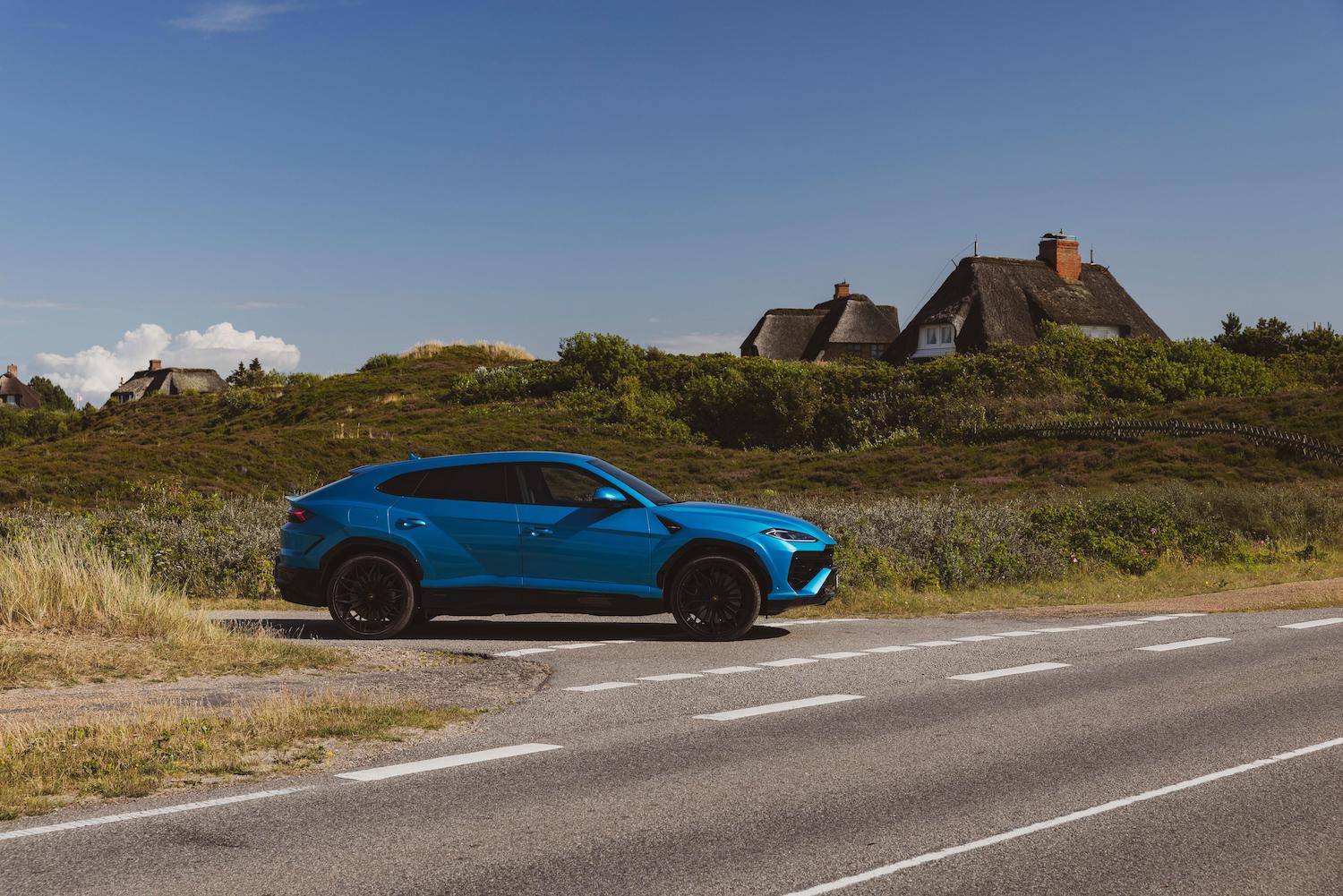
Factors that affect your cars resale value


A car’s resale value is primarily determined by its age, mileage, and overall condition, with lower mileage and excellent service history significantly boosting value. Popular, reliable brands (e.g., Toyota, Subaru), high-demand body types (SUVs), neutral colors, and a clean, accident-free history also help maintain higher resale value, whereas heavy modifications or wear-and-tear reduce it…
Here are the key factors affecting a car’s resale value:
- Mileage: Generally, higher mileage indicates more wear and tear, significantly lowering the value.
- Vehicle Condition: Both cosmetic (dents, scratches) and mechanical (engine/transmission issues) conditions are critical. A well-maintained vehicle in good condition attracts a higher price.
- Service History: A complete, documented service logbook shows the car was properly maintained, increasing buyer confidence and value.
- Age: Newer cars generally hold higher value, as they are less likely to have major mechanical failures.
- Make and Model: Certain brands and specific models are known for higher durability and reliability, leading to better resale value.
- Accident History: A history of major accidents, structural damage, or flooding can severely decrease the resale value.
- Modifications: Personal modifications often lower the value, as they appeal to fewer buyers and can suggest hidden issues.
- Color: Neutral colors (white, black, silver, grey) are generally more desirable and easier to sell, whereas bright, unique colors may reduce the pool of potential buyers.
- Market Demand: The popularity of specific vehicle types (e.g., SUVs vs. sedans) and current fuel prices can affect the demand and, therefore, the price.
- Number of Owners: A car with fewer owners is often perceived as having a more reliable history.
- Location: Regional factors, such as high rust-inducing environments (e.g., near the coast) or extreme cold, can negatively affect condition.
Car Resale Value: Major factors
Resale value comes down to what a second buyer can verify, what they expect will fail next, and how hard the vehicle will be to sell on again. The same car can swing thousands in price when the history is clear, the condition matches the odometer, and the spec fits what most buyers search for.
1. Mileage
Mileage is the quickest shorthand buyers use for remaining life. It signals how many heat cycles, cold starts, pothole hits, brake applications, and suspension compressions the vehicle has already lived through.
Why buyers focus on the number
Higher mileage raises the probability of wear in the expensive systems. Engines face more ring and bearing wear. Automatic transmissions face more clutch wear and heat exposure. Suspension bushes, ball joints, wheel bearings, and dampers face more fatigue. Even if the car feels fine on a short test drive, buyers price in what will likely need attention next.
Mileage also shapes financing and warranty expectations. Many shoppers look for vehicles that still sit inside common warranty ranges or extended warranty eligibility rules. Once mileage runs past those comfort lines, the pool of buyers shrinks, and sellers end up competing harder on price.
How mileage links to maintenance costs
Higher mileage changes the type of maintenance a buyer anticipates. Fluid services move from optional to expected. Cooling system hoses and thermostats sit closer to age related failure. Spark plugs, ignition coils, and injectors often face rising misfire risk. Diesels face higher probability of emissions related servicing.
Buyers also look for consistency between mileage and condition. A high mileage car that still has tight steering, clean paint, and an intact interior can sell strongly, provided the records back it up. A low mileage car with worn tyres and tired paint raises suspicion.
2. Vehicle condition
Condition drives the emotional part of the deal, then it drives the real cost part right after. Buyers judge condition in two layers, cosmetic and mechanical.
Cosmetic condition
Cosmetic issues change perceived care level. Dents, scratches, curb rash, cracked lights, and fading trim tell a buyer the car lived a hard life. Interior wear does the same. Torn bolsters, shiny steering wheels, sticky buttons, smoke smells, pet hair, and stained carpets reduce trust fast.
Cosmetic repairs also cost real money. Paint correction, panel repair, wheel refurb, and headlight restoration add up. Buyers will price those repairs into their offer, often with extra margin for time and risk.
Mechanical condition
Mechanical condition sets the ceiling price. Warning lights, rough idle, transmission flare, brake vibration, suspension clunks, overheating history, and electrical faults are direct value killers. Even small problems like worn wiper arms or a weak blower motor signal deferred maintenance.
A car that drives straight, brakes cleanly, shifts smoothly, and starts instantly feels like a safer purchase. Buyers pay for that confidence, provided they can verify it with records and inspection results.
3. Service history
Service history is proof of care, and proof is what buyers buy. A complete log turns a claim into a fact.
What a complete history tells a buyer
A documented history shows oil changes happened on time, correct fluids were used, and scheduled services were not skipped. It also shows patterns. Regular servicing at consistent intervals suggests an owner who addressed issues early rather than waiting for failures.
Buyers also look for evidence of the bigger ticket items. Timing belt replacement where applicable, major transmission servicing where recommended, brake fluid changes, coolant changes, and spark plug replacement show a car that is not being sold right before expensive work comes due.
Why missing records reduce value
Missing records force the buyer to assume the worst. That assumption shows up in price. A seller can describe careful ownership all day, yet without invoices or a stamped book, the buyer must treat it as a risk purchase.
A partial history still helps if it covers the critical years and big services. The key is clarity. A folder of invoices that match the mileage timeline usually sells better than vague statements about work that happened at some point.
4. Age
Age affects resale value even when mileage stays low. Time changes rubber, plastics, seals, and electronics.
What age does to a vehicle
As vehicles age, seals harden, hoses lose elasticity, bushings crack, and plastic connectors become brittle. Paint and clear coat degrade with sun exposure. Interior materials dry out. Electrical connectors face corrosion, especially in damp climates or coastal areas.
Age also affects model relevance. Infotainment systems, safety tech, and fuel economy benchmarks move quickly. A car can run perfectly yet feel dated to buyers who compare it to newer options with better driver assistance and connectivity.
Age versus mileage trade offs
Buyers often accept higher mileage on a newer vehicle more readily than low mileage on an older one. A newer platform usually has fewer age related failures and a more current safety spec. An older low mileage car can still have aged tyres, old fluids, and dried seals that need attention soon after purchase.
5. Make and model
Make and model influence buyer expectations before the car is even seen. Some names carry a reputation for durability and lower running costs, which widens demand.
Brand perception and reliability reputation
Reliable brands often command higher resale values because buyers expect fewer surprises. This is why names like Toyota and Subaru often hold value well in many markets. The value lift is not magic, it is buyer confidence converted into higher bids.
Model reputation matters just as much as the badge. A brand can have strong resale overall, while a specific model or engine variant can have known issues that drag price down. Buyers often research that detail before making contact.
Parts availability and servicing ease
A model that is easy to service and has readily available parts often sells faster. Faster sales usually support stronger prices, since sellers avoid price cutting driven by long listing times.
Vehicles with complicated servicing requirements, limited parts support, or specialist labour needs tend to attract fewer buyers. That smaller buyer pool usually pushes price downward.
6. Accident history
Accident history changes value because it changes risk. Buyers care about both what happened and how it was repaired.
What buyers worry about
Major collisions raise concerns about hidden structural damage, poor alignment, uneven tyre wear, water leaks, and future corrosion at repair seams. Even a good repair can still leave a car harder to sell later, since the next buyer will ask the same questions.
Flood damage is a major red flag. Water intrusion can create long term electrical faults that appear months later. Many buyers will walk away entirely once flood history appears.
Repair quality and documentation
A repaired car can still sell well when the repair was done properly and documented. Buyers respond better to clear evidence, such as repair invoices, parts lists, and alignment reports. Vague answers reduce trust and reduce offers.
7. Modifications
Modifications usually reduce resale value because they narrow the buyer pool. Many buyers want a stock car that matches factory calibration and insurance expectations.
Why buyers discount modified vehicles
Aftermarket suspension, wheels, exhausts, tuning, and cosmetic changes introduce uncertainty. Buyers worry about harder driving, compromised ride quality, increased wear, and changes that affect emissions compliance or inspection outcomes.
Even tasteful changes can reduce value if they create extra work for the next owner. A buyer who wants stock will budget for reversing modifications and will reduce the offer accordingly.
Exceptions still face limits
Some buyers seek specific upgrades, yet that demand is niche. The seller still faces a smaller pool, and smaller pools typically push sellers into lower pricing to close the deal.
8. Colour
Colour affects resale value through demand. Demand is the whole game in resale.
Why neutral colours sell faster
Neutral colours tend to appeal to the widest range of buyers. Faster sales generally support stronger prices, since sellers do not need heavy discounting to move the car.
Neutral colours also suit fleet buying and company car preferences in many regions. That keeps demand steady in the used market.
Why bold colours reduce the buyer pool
Bright colours can be loved or hated. That polarisation makes the car harder to sell quickly. A slower sale often ends with a lower price, even when the car is mechanically strong.
9. Market demand
Market demand shifts with trends and running cost pressures. Demand changes what buyers want, and that changes prices.
Body type preferences
When buyers favour certain body types, those vehicles command stronger resale. When preferences move away from a body type, sellers face more competition and lower prices. Demand also varies by region, so the same model can sell strongly in one area and sit in another.
Fuel prices and running costs
Fuel prices and running cost expectations shape buyer choices. When running costs become a bigger concern, buyers often shift toward smaller engines, better fuel economy, and simpler drivetrains. That shift can raise resale values for some vehicles and suppress it for others in the same model year range.
10. Number of owners
Fewer owners often signals a cleaner story. Buyers like a simple ownership chain.
What multiple owners can suggest
Many owners in a short time period can suggest recurring problems, poor reliability, or a car that disappointed several people. That suspicion reduces buyer confidence, which shows up as lower offers.
A single long term owner with records often sells easily. The buyer can picture consistent servicing and consistent driving habits.
Records reduce the penalty
When a car has several owners yet still has a complete service history and clear maintenance evidence, the negative effect can shrink. Buyers will still notice the ownership count, yet strong documentation limits the guesswork.
11. Location
Location affects resale value through environment. Environment affects condition.
Rust and corrosion exposure
Coastal areas, heavy road salt regions, and humid climates increase corrosion risk. Rust on brake lines, subframes, suspension mounts, and exhaust components can reduce value sharply, since repairs can become labour-intensive and expensive.
Even when rust is not yet visible, buyers in rust-heavy regions look underneath during inspection. Evidence of corrosion can change the offer immediately.
Cold and heat exposure
Extreme cold increases wear on batteries, tyres, and rubber seals. Extreme heat accelerates interior and paint degradation. A car that lived in a harsh climate can still sell well, yet it must show evidence of care in the areas those climates punish most.
A car holds value best when mileage, condition, and service records tell the same story, and when the spec matches what most buyers are searching for in your local market.
If you enjoyed this article, be sure to follow us on Microsoft Start.

Leave a Comment
More in News

How Long Do Spark Plugs Last? (And What Happens When They Fail)
The Real Cost of Owning a Honda Civic for 5 Years: $41,930 (2026 Breakdown)

BMW iX3 review: Long range family-sized EV is classy game-changer

MG4 EV Urban review: Budget electric family hatchback is surprisingly spacious

BYD Sealion 5 DM-i review: Bargain plug-in hybrid family SUV with a big range
Trending on Motoring Chronicle

Automobili Lamborghini Debuts the Urus SE, Its Most Powerful Super SUV Yet, in Mexico [Photo Gallery]
Aston Martin Valhalla makes global public dynamic debut ahead of Monaco Grand Prix

A master of air: crafting a new generation of roadster design with the Bugatti W16 Mistral [Photo Gallery]

Impressions of the Mercedes-Benz S-Class world premiere [Photo Gallery]