
Cost of pothole damage rises to £1.7bn – reversing two year drop
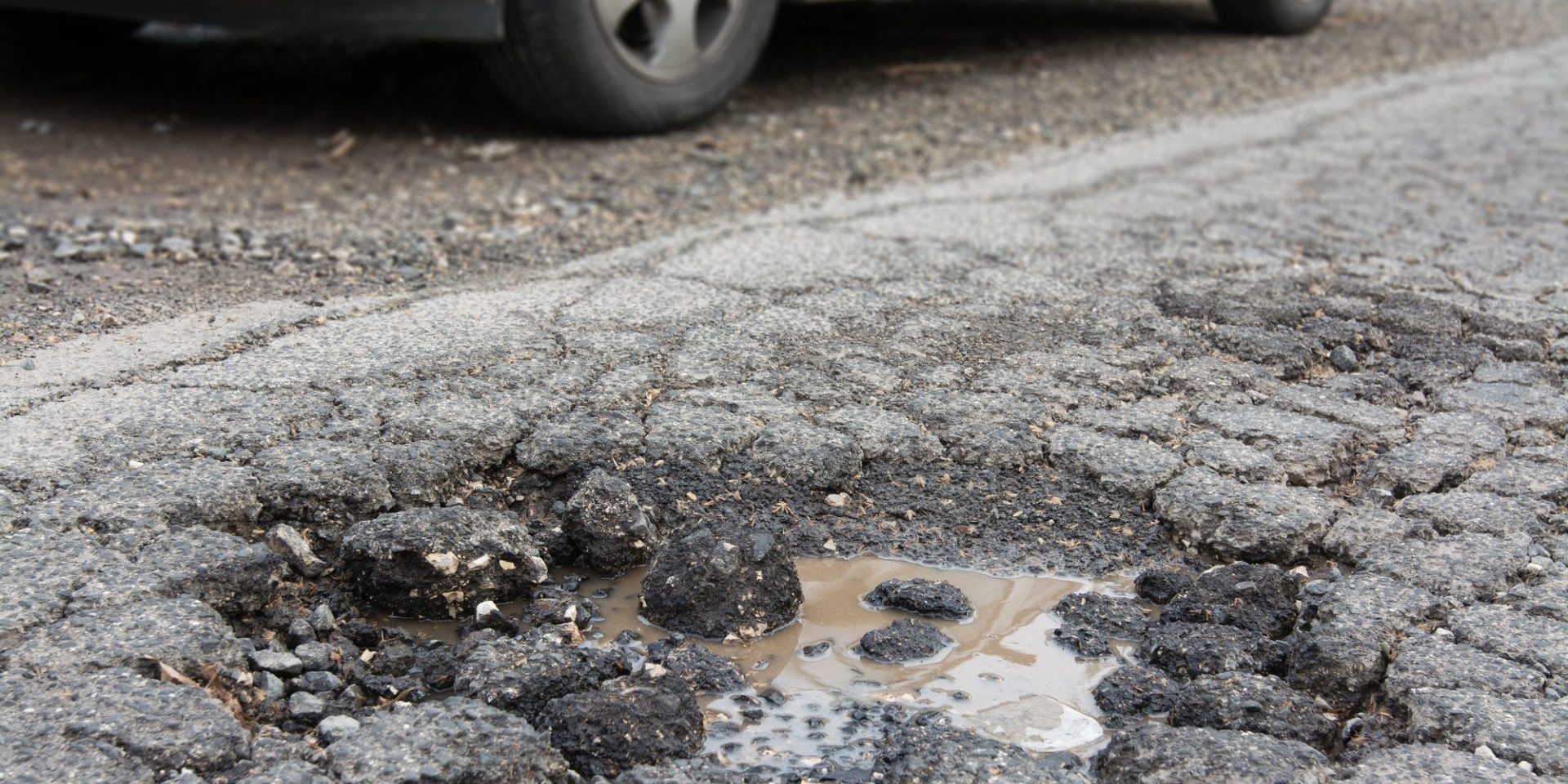
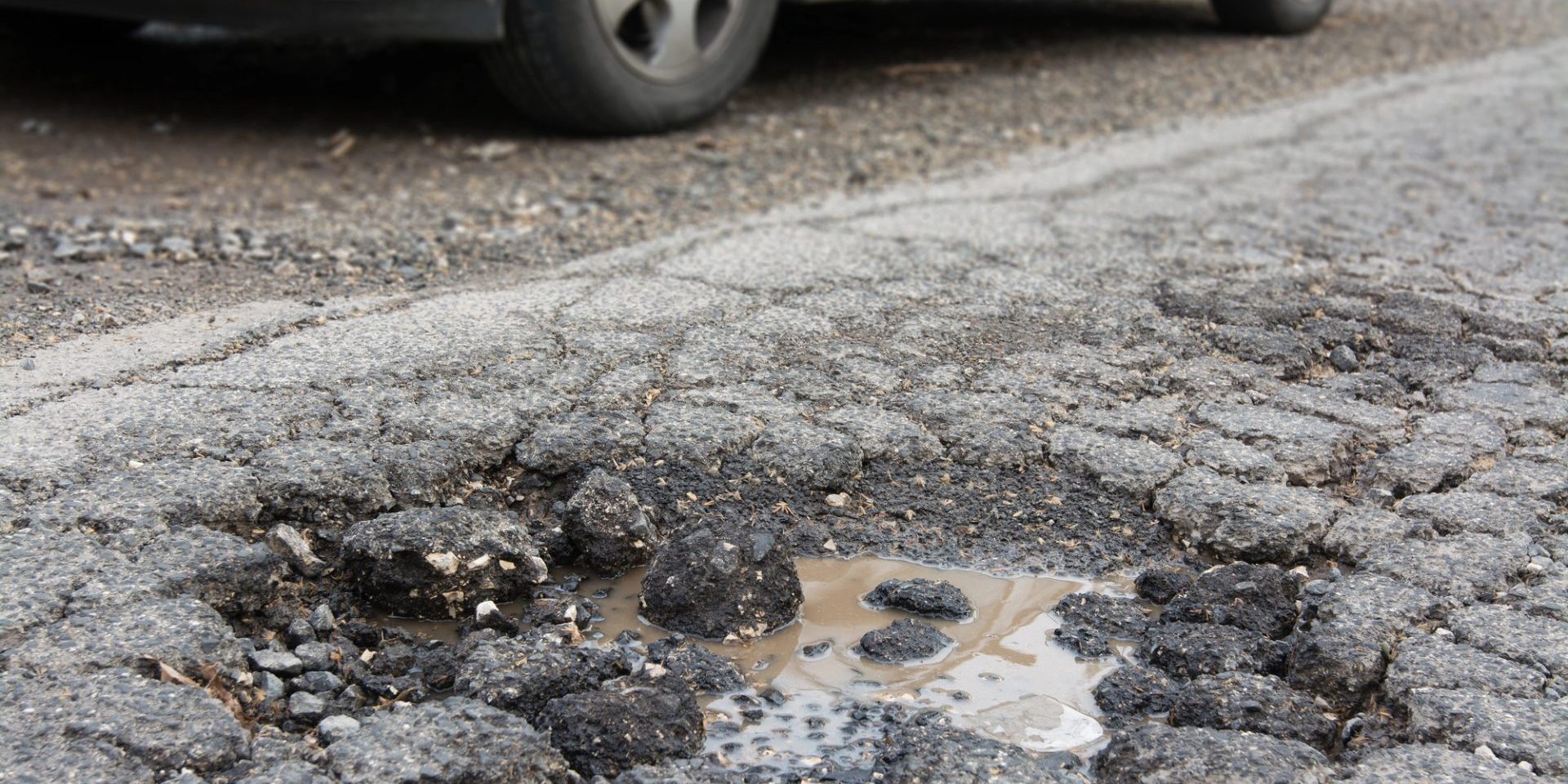
New data reveals worrying news for drivers as the cost of pothole damage is once more on the increase. After welcome falls over the last two years, the last twelve months have seen the nation’s drivers face a total bill of £1.7bn in repairing damage to their cars caused by potholes.
The level of damage is monitored annually by Kwik Fit, the UK’s leading automotive service and repair company, for its PIT Report (Pothole Impact Tracker). Its latest research has found that the average repair bill faced by drivers is the highest since the company began tracking the cost in 2013. Drivers having to repair damage from potholes over the last twelve months had to fork out an average of £144 – up from £120 in the previous year.
It found that as well as the average repair cost going up, there was an increase in the number of drivers facing the highest bills. During the last year, over one million drivers have stumped up more than £300.
Kwik Fit’s data includes all cars suffering pothole damage, not just those which have to be recovered from the roadside, but also those which can be driven to a garage. The most commonly damaged components over the last year were tyres (in 38% of repairs), suspension (28%) and wheels (22%). With advanced driver assistance systems (ADAS) becoming commonplace on vehicles, potholes are having a knock on effect beyond the immediate components damaged by the impact. Almost half (48%) of cars needing repairs also needed wheel alignment and a third (34%) required the ADAS system to be recalibrated, adding further cost.
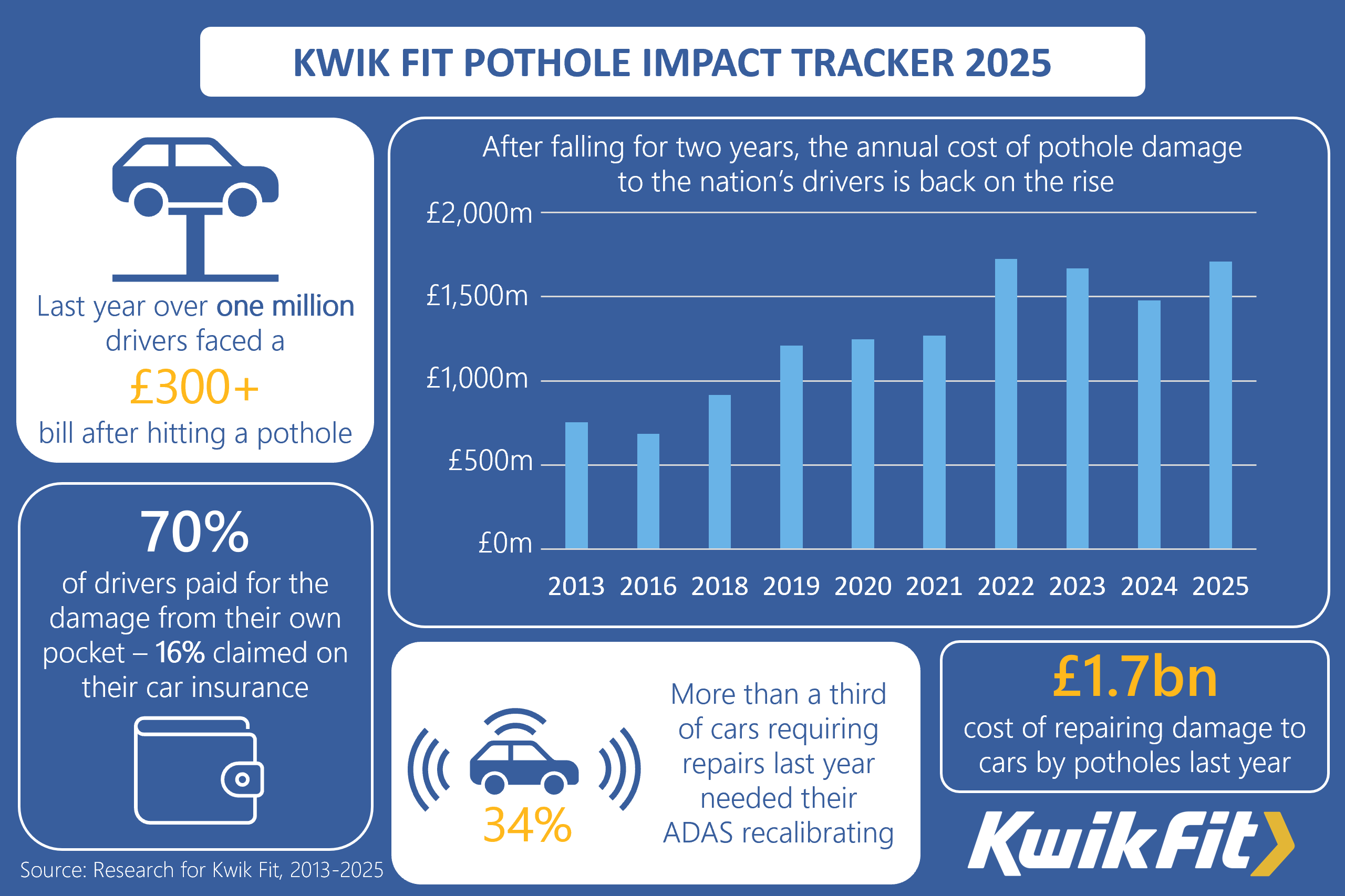
The vast majority of the nation’s repair bill has come directly from drivers’ pockets, with 70% funding repairs themselves. One in six (16%) have claimed on their car insurance, while 7% said they were covered by separate tyre insurance policies, such as Kwik Fit’s Tyrecare. Kwik Fit’s research found that just 6% had claimed compensation from the local authority responsible for the road.
An increasing number of cars are fitted with large wheel sizes, with tyre damage more costly for drivers of those vehicles. More drivers are protecting themselves with specialist tyre insurance – Kwik Fit has seen the proportion of its Tyrecare policies taken out on larger, premium tyres almost double over the last two years.
Over half (51%) of drivers believe that the roads in their area are in a worse condition than they were 12 months ago, with only 16% thinking they are better. The majority of drivers are also pessimistic about their immediate prospects. 62% say they don’t expect the roads in their local area to improve in the near future, despite the additional funding recently announced by the government.
Dan Joyce, operations director at Kwik Fit, said: “It’s concerning to see that the downward trend of the last two years has gone into reverse in the latest figures. Anything which adds unnecessary costs to motorists is especially unwelcome in the current economic climate but even the financial burden is outweighed by the risk to safety.
“The main components which bear the bulk of the damage – tyres and wheels, suspension and steering – are interlinked. Even if a car is driveable after hitting a pothole, the impact may have compromised its handling, as can be seen by the fact that many drivers have had to have vital ADAS technology recalibrated. Not only do potholes present an immediate risk at the time of impact, they can have a longer term effect on its safety on the road.”
Dan Joyce shares his key tips to help drivers minimise the risk of pothole damage:
- Maintain pressure: Tyres are the contact point – the correct inflation will help absorb some of the impact
- Give time and space: Easing off the speed and leaving more space in front gives drivers more time to spot and avoid potholes, and if they can’t be avoided will reduce the force of the impact
- Check – and check again: If impact is unavoidable, drivers should pay close attention to the car afterwards. If it feels or sounds unusual, drivers should find a safe place to stop and check for damage. And then check again in the following days, as some damage may not be immediately apparent
Any driver who has hit a pothole and suspects they may have suffered damage but is unsure what to look for can take their car to any of Kwik Fit’s 600 plus centres across the UK where the company’s expert technicians will carry out a free check for damage.
Leave a Comment
More in News
Why brakes squeal on cold mornings

10 Effective Tips For Buying A Car
Porsche receives two 2026 MotorWeek Drivers’ Choice Awards

Hyundai SUVs Score Three MAMA Favorite Awards at Chicago Auto Show
Audi A5, S3 earn 2026 MotorWeek Drivers’ Choice Awards for Best Luxury Car, Best Sport Sedan
Trending on Motoring Chronicle
Hyundai Palisade Wins 2026 MotorWeek Drivers’ Choice Award for Best Large Utility

Factory-custom Attitude: Dodge Debuts Satin Black Hood Graphic, Fratzog Dual Stripes Options for SIXPACK‑powered Charger Models
Three years on, are you aware of these important Highway Code changes?

The iconic EV reimagined: Nissan unveils all-new third-generation LEAF [Photo Gallery]