Glasgow Drivers Won 82 Percent of LEZ Appeals as Council Costs Passed Fine Income
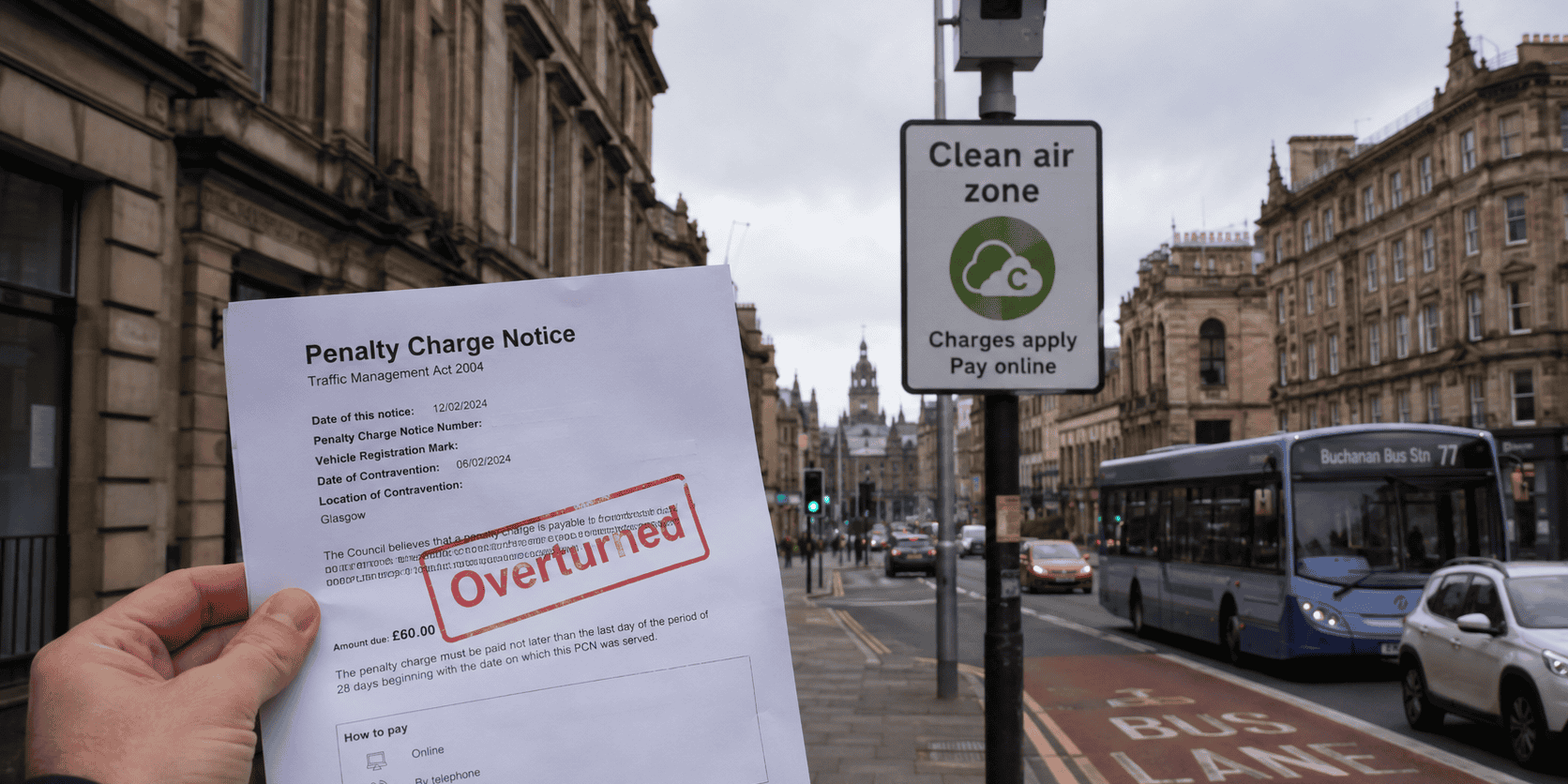
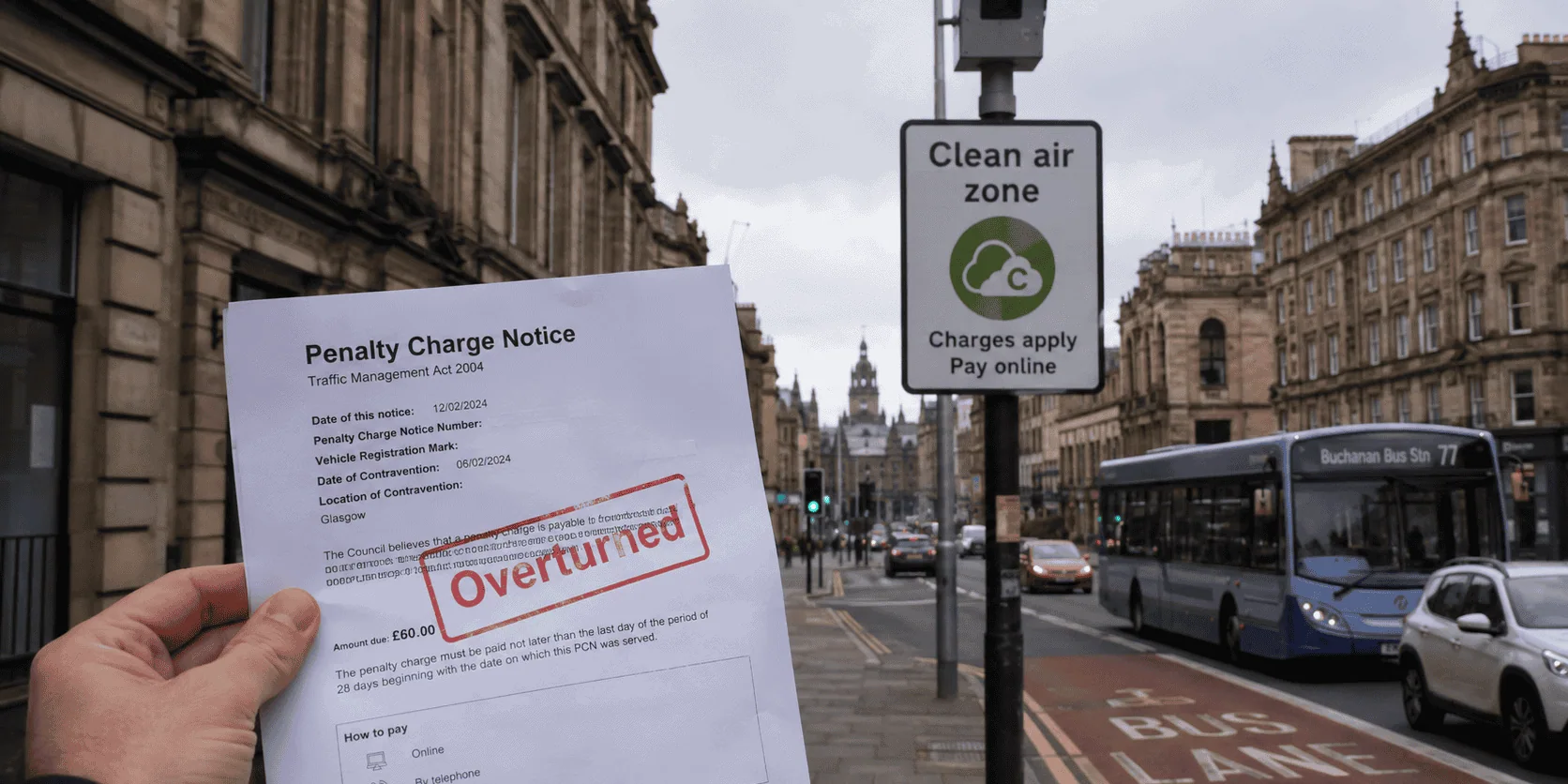
- Drivers won 82% of appeals against Glasgow Low Emission Zone fines in 2025/26, which is 2,531 of 3,078 appeals, up from 53.3% the year before and 31% in the first year, according to a Glasgow City Council report.
- Fine income fell to £513,873 while running the zone cost £781,765, so costs passed income for the first time and left net expenditure of £267,892.
- About 2,000 penalty notices a month were issued between April 2025 and March 2026, down from more than 38,000 in the first reporting period, with 78% going to cars.
Glasgow Drivers Won 82 Percent of Appeals Against LEZ Fines as the Zone Ran at a Loss
Drivers in Glasgow paid just over half a million pounds in Low Emission Zone fines in 2025/26, and the scheme cost more to run than it raised for the first time. A new Glasgow City Council report, covered by STV News’s Local Democracy Reporting Service on 6 August 2026, puts income at £513,873 against operating spending of £781,765, leaving net expenditure of £267,892.
The same report holds a second number that drivers will care about more. Of 3,078 appeals received, 82% were successful, which is 2,531 cases. For every ten drivers who appealed a Glasgow LEZ fine, about eight won.
The council says cancellations were mostly for blue badge holders, evidence of compliance or exemption, or a registration entered incorrectly. Those are the three reasons the coverage of the report gives.
A further 28 cases went to an independent adjudicator. Five were allowed, 18 were unsuccessful, two were withdrawn, two were awaiting a hearing and one was not contested by the council after further evidence was provided.
The council report itself was not linked in the coverage seen for this article, so every figure here is taken from STV News reporting of that report and is attributed to it.
How the Appeal Success Rate Climbed From 31 to 82 Percent
Glasgow has now published three years of LEZ figures, and the appeal numbers move in one direction. In the first period, from enforcement starting in June 2023 to the end of March 2024, 5,692 appeals were received and 31% were successful, which is 1,765 cases. More than 38,000 fines were issued, and more than 25,000 were paid, bringing in £982,415 with net revenue of £747,511.
In 2024/25 the council issued 29,838 penalty charges. Of those, 18,962 were paid, totalling £764,580, and £7,590 was refunded after appeals and cancellations. There were 4,468 appeals and 53.3% were successful, which is 2,383 cases.
In 2025/26 there were 3,078 appeals and 82% were successful, which is 2,531 cases. Put side by side, the number of appeals fell from 5,692 to 4,468 to 3,078, while the share that succeeded rose from 31% to 53.3% to 82%. None of the coverage explains why the success rate has risen. In 2024/25, 4,468 appeals against 29,838 notices works out at roughly 15%, or one appeal for every seven notices issued. The 2025/26 report does not give the number of notices issued as a single figure, only the monthly average of around 2,000, so a like for like share cannot be set for this year.
The council’s handling of notices has been questioned before. In December 2023 STV reported that 1,388 LEZ notices were not served after officials broke the 28 day limit for sending them. The council had switched to recorded delivery after a tribunal cancelled fines that were not sent by recorded or registered post. At the £60 starting charge, that was about £86,000 in uncollected fines. A council spokesperson said a time bar had stopped some penalties being issued while the delivery process changed.
The First Year the LEZ Cost More Than It Raised
Income from the zone has fallen every year. It was more than £980,000 in 2023/24, just over £750,000 in 2024/25 and £513,873 in 2025/26. That is a fall of about £466,000 from the first reporting period, or almost half.
Running costs went the other way. Operating spending was £614,000 in 2024/25, a figure the council described at the time as subject to verification, and £781,765 in 2025/26. That is a rise of £167,765, or about 27%. The gap between the two lines is the £267,892 of net expenditure in the new report. The first reporting period showed net revenue of £747,511, so the swing to net expenditure is just over £1 million, though the council’s own measures of net revenue and net expenditure could differ in how they are built.
The council report treats the fall in income as expected. It states: “Revenue has fallen in line with the reduction in PCNs [fines] issued as the scheme has matured.” It adds that the reduction can be attributed to higher levels of compliance with the emission standards across the general vehicle fleet and to greater awareness of the zone among drivers of non-compliant vehicles.
The funding history sits behind that. Development of the zone began in 2018/19 and was mostly paid for by Scottish Government grants. The 2025/26 report says there has been no grant-funded spend in the past two years. In 2024/25, spending of £614,000 left £142,990 over, and STV reported total LEZ expenditure from 2018 onwards of around £2.58 million, with £1.58 million of it from grants.
Why Fewer Fines Are Being Issued
The number of fines has dropped sharply. More than 38,000 were issued in the first reporting period and 29,838 in 2024/25. In 2025/26 around 2,000 penalty notices were issued every month, which is roughly 24,000 across the year on a simple multiplication.
The 2024/25 report still recorded a significant number of non-compliant vehicle entries, about 2,500 a month, and said the number of notices issued had continued to fall slowly. The 2025/26 figures show the fall continuing.
Cars take most of the fines. In 2025/26, 78% of fines went to cars and 21% to light vehicles. Penalty charges start at £60, and STV reported they are capped at £480 for cars and light goods vehicles and £960 for buses and HGVs. A surcharge applies when the same vehicle breaches the zone again.
Most fines are paid at the lowest level. The 2024/25 coverage said most fines were at the first penalty level and were paid within the 14 day window, which halves them to £30 each. At £30 a notice, covering the £781,765 running cost would take about 26,000 paid notices, a number above the roughly 24,000 notices issued across the whole of 2025/26.
What Glasgow Drivers Should Do
Check your vehicle against the LEZ standard before you drive into the city centre zone, which is bounded by the M8 to the north and west, the River Clyde to the south and Saltmarket and High Street to the east. A compliant vehicle or a valid exemption is the only way to avoid a notice altogether.
If you receive a notice, look at the payment deadline first. STV reported that the first level charge is £30 rather than £60 if paid within 14 days, and that surcharging is in place for repeat breaches by the same vehicle.
If the notice looks wrong, appeal it and attach proof. The reasons the council gave for cancellations in 2025/26 were blue badge status, evidence of compliance or exemption, and a registration entered incorrectly. If you hold a blue badge, check that your exemption is registered, and check your registration number on the notice character by character.
With 82% of appeals succeeding this year, a notice that rests on a wrong registration, a missed exemption or proof of compliance is worth challenging rather than paying. Keep every letter and every reply. Of the 28 cases that reached an independent adjudicator in 2025/26, five were allowed, so the route exists, though it is used far less often than the council’s own appeal stage.
The full council report would show the breakdown behind these totals, including how many of the 3,078 appeals were decided before payment. Until it is published in a form that can be read in full, the STV coverage is the only public account of the 82%.
Want more car content? Add us as a preferred source on Google to your favourites list for the best automotive news and analysis on the internet.
If you enjoyed this article, be sure to follow us on Microsoft Start.
Sources:

Leave a Comment
More in News

Sheffield Council Issued 88,577 Bus Lane Fines to Drivers and Cancelled 83 Percent More

Mercedes-AMG GT SUV Goes Electric With Up to 1,169hp and 710kW Charging

Edinburgh Council Says 50 LEZ Debtors Owe Almost £530,000 as Fines Go Unpaid

How to Replace a Car Key Fob Battery (and What a Garage Charges)
Why 83% of Drivers Worry About Headlight Glare as Nights Draw In, RAC Finds
Trending on Motoring Chronicle
Road Damage Caused 71 Breakdowns Every Day in 2025 and 2026 Is Already Looking Worse

Every Driver With an Older or Modified Car Risks a £1,000 DVSA Fine
The new Flying Spur: the most powerful Bentley four-door ever [Photo Gallery]
Why Your Next MOT Comes With A Live Photo Of Your Car In The Test Bay