Diesel Drivers Face Parking Charges Up to 50 Percent Higher as Councils Cash In
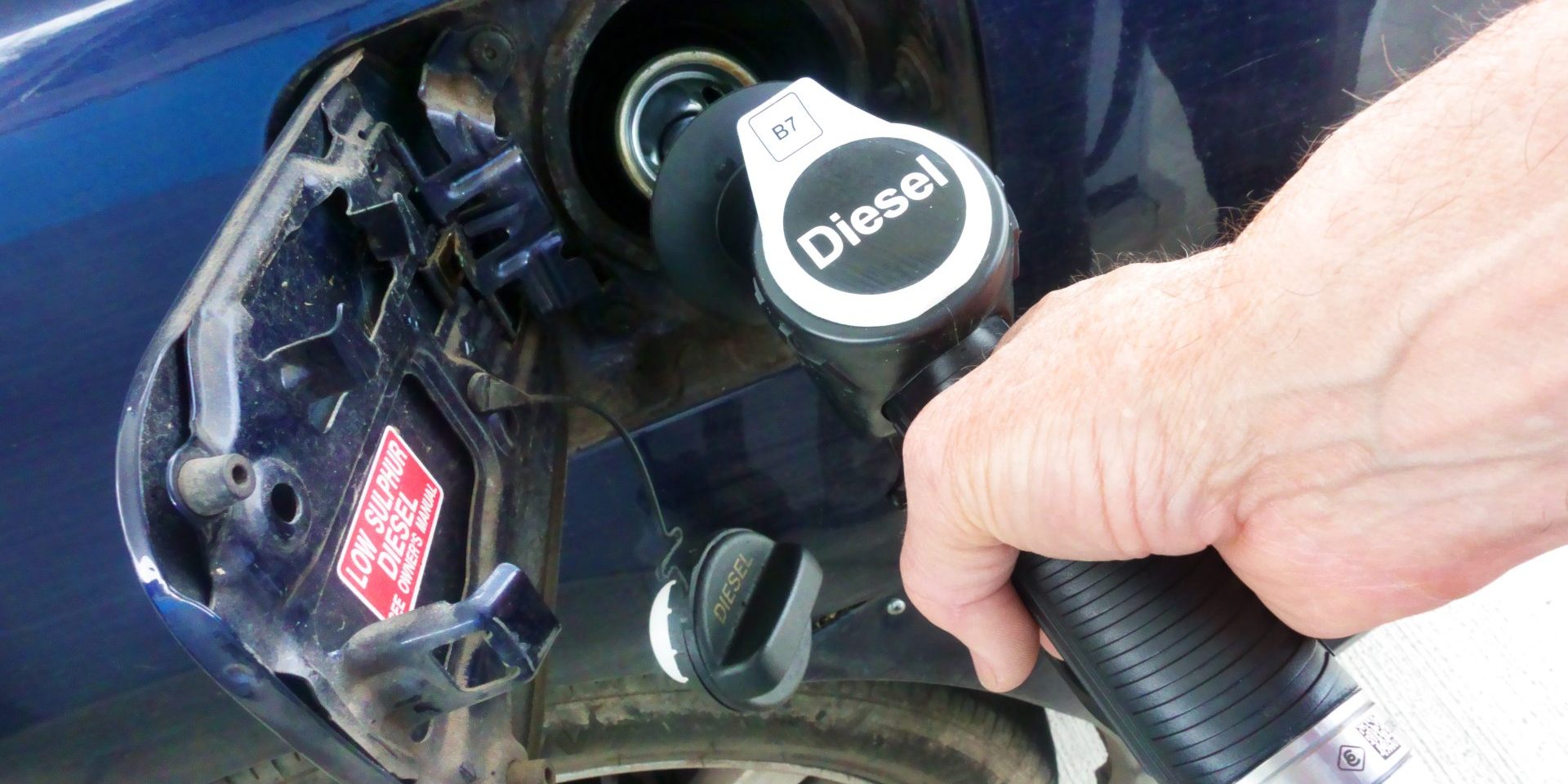
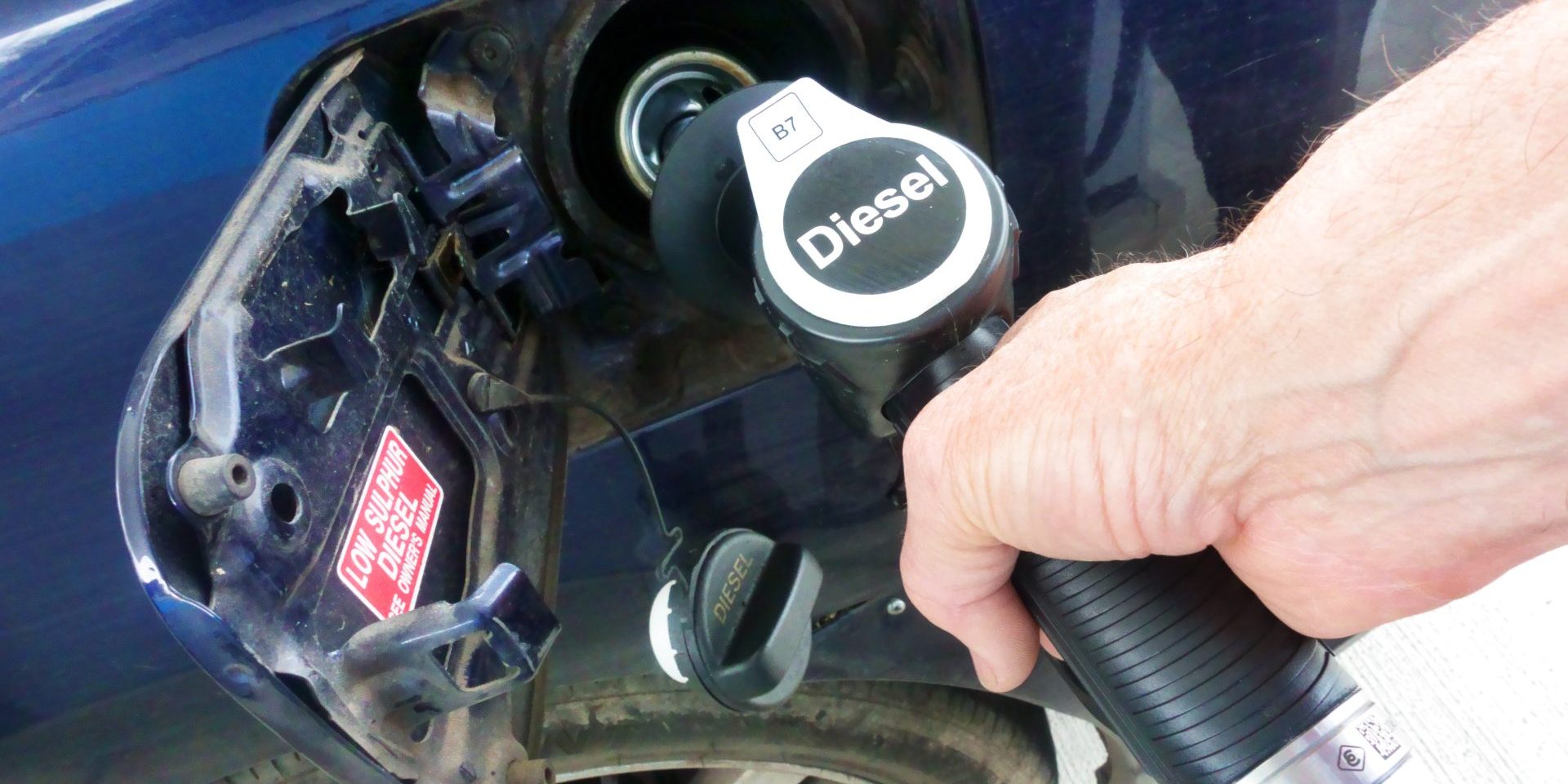
Diesel car owners are facing some of the steepest parking charge rises seen in London for years, as a wave of council fee increases lands on top of existing diesel surcharges. In Lambeth, cashless parking tariffs are rising by as much as 49 percent, pushing some hourly diesel rates in Waterloo above £27. In Westminster, a surcharge of up to 50 percent now applies to pre-2015 diesel vehicles paying to park on-street. Both changes sit alongside separate diesel premiums already running in Edinburgh, Tower Hamlets, Islington and Hounslow.
None of these increases needed a full public consultation to take effect.
How Lambeth’s Rise Was Approved
Council papers show Lambeth’s cabinet member for transport signed off the increase using delegated powers, a decision-making route that does not require the statutory consultation a full policy change would normally trigger. Residents were told through legal notices, press adverts and updates inside parking apps, in the weeks before the new charges applied from February 2026.
The steepest rises apply in Central Lambeth and council-run car parks, including the Popes Road car park in Brixton, where charges climb by 28 to 49 percent depending on how long a vehicle stays. Diesel drivers face the sharpest end of that increase, as the borough’s existing diesel surcharge rises at the same time as the base tariff, compounding rather than simply adding to the cost. According to the council’s own figures, the changes are projected to raise an extra £2.82 million a year, taking total parking revenue in Lambeth to an estimated £11.86 million in 2026-27.
The council’s justification rests on air quality and its Net Zero 2030 target, arguing that higher charges will push drivers toward walking, cycling and public transport. Lambeth maintains that parking charges cannot legally be set purely to raise revenue, but its own report acknowledges the multi-million-pound boost to council finances at a time when the authority is under serious budget pressure.
Westminster and the Rest of London
Westminster City Council introduced its own revised on-street charges in March 2026, applying a diesel surcharge of up to 50 percent to pre-2015 diesel vehicles across every parking zone in the city, again presented as an air quality measure. Tower Hamlets brought in new diesel-inclusive parking charges from 1 June 2026. In Edinburgh, existing permit holders had been shielded from the council’s diesel surcharge for three years as long as they renewed on time and kept the same vehicle. That exemption expired on 29 May 2026, meaning thousands of Edinburgh residents who had budgeted around the old rate are now paying the surcharge for the first time.
Islington and Hounslow already calculate permit and on-street charges using a vehicle’s CO2 emissions, with an added surcharge for diesel vehicles that fall short of the Euro 6d Real Driving Emissions standard. Between them, these councils cover a large share of inner and outer London, meaning a diesel driver moving between boroughs for work can face a different surcharge structure at almost every boundary.
Who Actually Pays the Price
Councils consistently present these charges as an emissions policy rather than a revenue measure, but the practical effect falls hardest on people with the least ability to simply switch cars. Tradespeople who rely on diesel vans for work, and who cannot absorb the cost of replacing a serviceable vehicle years before the end of its working life, are exposed to the full surcharge every time they park to reach a job. Older or lower-income residents who bought a diesel car when official advice favoured diesel over petrol on fuel economy grounds are now paying a premium for a choice that was actively encouraged by government policy little more than a decade ago.
Visitors and occasional users bear a different kind of cost. In Lambeth’s Waterloo zone, where charges are already among the highest in the borough, the new top-band tariffs mean an afternoon’s parking in a diesel vehicle can now run into tens of pounds, prompting local criticism that busy, high-footfall zones are being treated as a source of income rather than managed for genuine traffic reduction.
The council maintains that the changes are about managing demand rather than raising money, pointing to the Net Zero 2030 target as the underlying policy driver. Critics counter that a genuine demand-management scheme would be tested against usage data and phased in with full consultation, rather than approved through delegated powers and announced through legal notices weeks before the new tariffs applied. Both things can be true at once: an air quality goal can be real, and a council under budget pressure can still choose the fastest, least scrutinised route to a multi-million-pound revenue increase.
What You Can Do About It
Check your own council’s current parking tariff and diesel surcharge schedule directly on its website before you next park, rather than relying on last year’s rate, as several boroughs have changed their charges more than once in the past twelve months. If you hold a resident’s permit due for renewal, renewing before a scheduled surcharge increase takes effect, where the council’s rules allow it, can lock in the lower rate for that renewal period.
Where a council has used delegated powers rather than a full consultation to approve a charge increase, residents can still submit objections through their ward councillor or via the council’s official complaints process, and can request the underlying decision papers, which are usually published on the council’s committee or cabinet decisions page. If you are considering replacing an older diesel vehicle specifically to avoid these surcharges, check whether your council or the wider Clean Air Zone scheme you fall under offers a scrappage or upgrade grant, as several London boroughs and the original Clean Air Zone cities still run limited versions of these schemes for residents and small business owners.
For van owners and tradespeople, checking whether your work postcode falls under a different surcharge structure to your home postcode is worth doing before you commit to regular parking in a particular zone, given how much the rate can vary from one council boundary to the next.
The Standard Behind the Surcharge
Most of these diesel surcharges are pegged to a specific technical standard called Euro 6d, or more precisely Real Driving Emissions Step 2, which measures nitrogen oxide output in actual on-road driving rather than a laboratory test cycle. Vehicles that meet RDE2 are generally exempt from the diesel premium, or pay a reduced rate, while older diesels, and in some cases newer diesels that were certified under earlier, less strict testing regimes, pay the full surcharge. Islington’s system, for example, adds a charge specifically for diesel vehicles that do not meet RDE2, layered on top of a base rate already calculated from the vehicle’s CO2 emissions band.
The practical effect is that two diesel cars of a similar age can face very different charges depending on exactly when they were type approved and which emissions test they passed, a level of technical detail that is not obvious to most drivers checking a parking meter or booking a permit online. Checking your vehicle’s Euro standard and RDE2 status, both listed on your V5C logbook or available through a free vehicle check on gov.uk, is worth doing before assuming which band you fall into, as guessing based on the car’s age alone can be misleading.
Some councils offer a formal review process for drivers who believe their vehicle has been placed in the wrong emissions band, typically requiring a copy of the V5C and, in contested cases, a letter from the manufacturer confirming the exact certification the vehicle was built to. It is a slower route than simply paying the surcharge, but for anyone parking regularly in a zone with a steep diesel premium, confirming the correct band once can prevent months of overpayment.
Sources:
- https://www.brixtonbuzz.com/2026/01/lambeth-plans-parking-charge-hike-of-up-to-49-with-diesel-drivers-hit-hardest/
- https://www.westminster.gov.uk/parking/changes-how-we-charge-parking
- https://www.edinburgh.gov.uk/roads-travel-parking/diesel-surcharge
- https://www.towerhamlets.gov.uk/lgnl/transport_and_streets/Parking/Parking-Charges-2026-to-2027.aspx

Leave a Comment
More in News

Leicestershire Council Took £900,127 in Parking Penalties as Notices Issued Rise 9.3 Percent

How the DVLA’s Digital Driving Licence Will Work for Every UK Driver in 2026

Autotrader Shows Used Petrol Cars Cost £14,625 as 17 Months of Price Rises End

Catalytic Converter Thefts Are Rising Again and Could Cost Every Van Owner over £1,000

How California’s New Robotaxi Law Could Fine Waymo and Tesla $10,000
Trending on Motoring Chronicle

Nine in 10 Pothole Damage Claims Are Rejected Under a 1980s Legal Defence

What a Tyre Pressure Warning Light Means as Cold Mornings Return This Autumn

Plaid With Purpose: Jeep® Wrangler 85th Anniversary Edition Brings Heritage Style to Legendary Capability

Audi Nuvolari arrives in London: a meeting of progressive design and innovation [Photo Gallery]