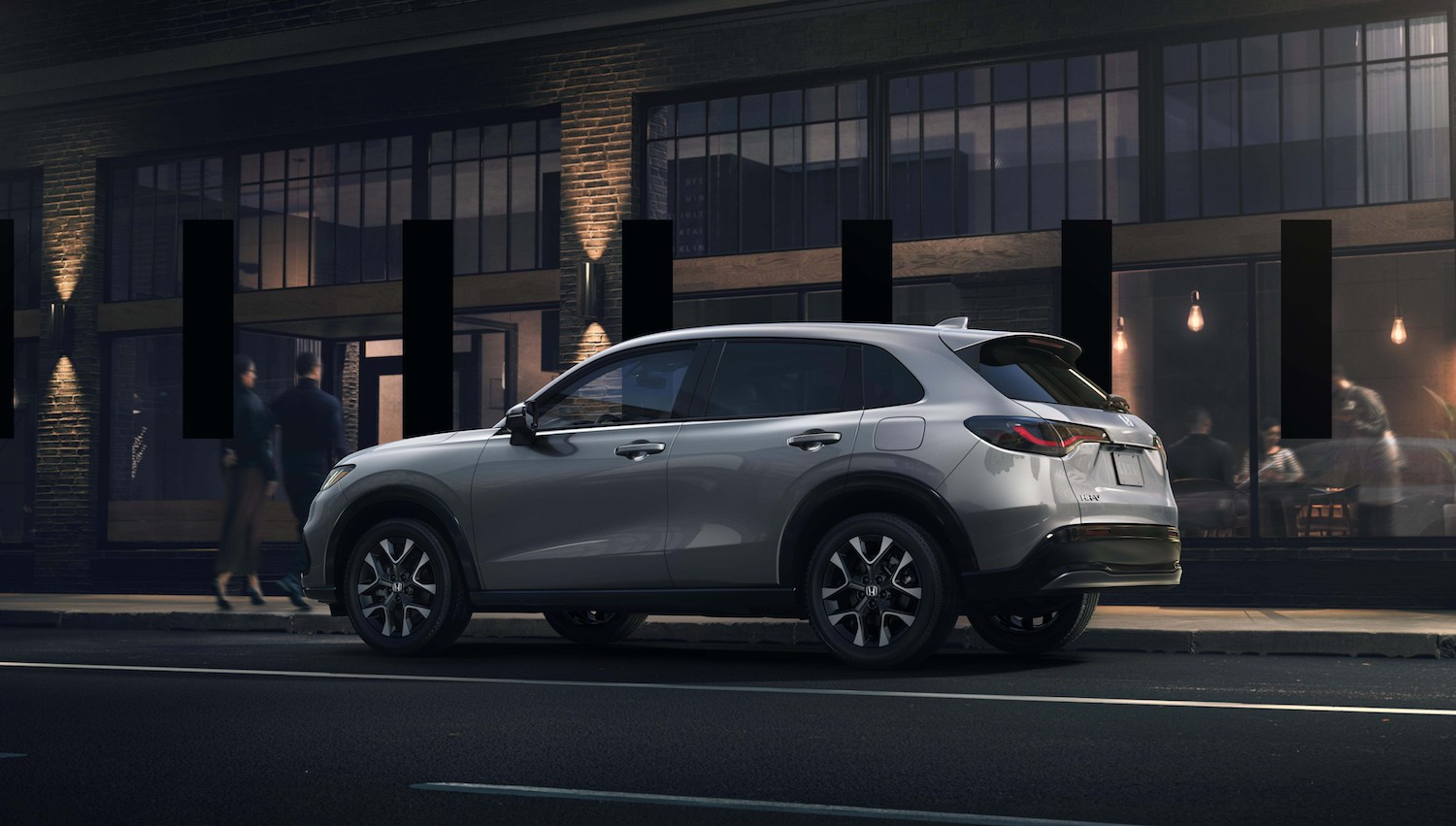
What to Do When Fines Arrive for a Car You Were Not Driving as Plate Cloning Jumps 41 Percent


Imagine fines arriving in the post for parking or speeding in a town you have never driven through. That is the reality for a growing number of UK drivers whose number plates have been copied and bolted onto another car. Known as car cloning, the scam is rising fast, with cases up 41 per cent in a year, and it leaves innocent owners chasing councils and the police to prove they were nowhere near the offence. Here is how the fraud works, what to do the moment you suspect it, and the steps that lower your chances of becoming a target.
How car cloning actually works
Cloning involves a criminal copying the registration of a legitimate car, usually one of the same make, model and colour, and fitting fake plates bearing that number to their own vehicle. From that point on, any camera enforced offence the cloned car commits, running a red light, dodging a toll or a clean air charge, illegal parking, speeding, is logged against the registered keeper of the original. Victims almost never find out until the penalties start landing on the doormat, by which point the offences may have been racking up for weeks.
The ease of obtaining fake plates is the heart of the problem. A BBC investigation found it could order a plate from a UK registered supplier through an online marketplace without providing any proof of ownership, receiving it within two days. Mike Thompson, chief operating officer at Leasing Options, summed up the experience for victims. “Usually, victims of number plate cloning don’t know their number plate has been duplicated until they receive a ticket or fine for an offence that they didn’t commit, by which point you must go through the lengthy process of reporting the crime,” he said.
The scale in some areas is striking. A BBC freedom of information request to London councils found the number of penalty charge notices cancelled because of cloning rose from 22,450 in 2021 to 36,794 in 2023, with Hackney recording nearly 2 per cent of all its tickets linked to cloned cars. Experts also point to a link with the spread of camera enforced charging zones, with one analysis finding a 69 per cent jump in clean air zone fines cancelled for cloning in the months after London’s zone was expanded.
The nightmare for innocent drivers
The burden of proof can fall heavily on the victim. Ben King, whose hire car was cloned, began receiving parking tickets in December 2022 for locations across central London, nearly 40 miles from his home in Reading, on dates when his car had been parked outside his house. The ordeal stretched over six months and at one point threatened him with close to £1,000 in fines and the prospect of bailiffs. “I’ve never driven in London before. I always take public transport,” he said. “It was so, so stressful. We were up late at night, worrying about having to find a thousand pounds to pay these fines.”
His case shows how hard proving innocence can be. King submitted doorbell camera footage of the car sitting on his drive, but the council would not accept it. Authorities say they will cancel notices when drivers provide evidence, and Transport for London states its policy is that no penalty should progress once cloning has been shown, noting that since 2020 just 0.4 per cent of its penalty notices have been cancelled for cloning. For the individual caught up in it, though, the process of appealing each fine separately, often to several different councils at once, is draining and slow.
Rob Laugharne, chair of the British Numberplate Manufacturers Association, has described the current situation as a “wild west” in which the integrity of vehicle identification is being undermined. He warns that the reliance on cameras to monitor traffic remotely makes the system only as trustworthy as the plates it reads, and believes the problem has outgrown the current ability to police it.
What to do if you are cloned
If fines arrive for journeys you did not make, act quickly and methodically. The key is to build a record that proves your car was elsewhere and to get the crime logged with the right bodies.
- Challenge every notice in writing, before the deadline. Appeal each penalty charge notice and state clearly that you believe your plate has been cloned. Do not ignore any of them, as unpaid fines can escalate to enforcement.
- Gather evidence you were elsewhere. Photographs of your car, dashcam or doorbell footage, work records, fuel or shop receipts, and any tracker data all help place your vehicle away from the offence.
- Report it to the police. Ask for a crime reference number. Cloning is vehicle identity theft and a criminal matter, and that reference supports your appeals.
- Tell the DVLA. Report the suspected cloning so the agency is aware your registration is being misused.
- Keep a paper trail. Note every fine, every appeal and every response. If a council rejects a clear appeal, you can escalate to the independent traffic penalty tribunal.
It is the same wrongful penalty problem that catches out drivers in other ways too, such as faulty enforcement equipment. We covered a related case in our report on the 2,650 drivers wrongly fined by a speed camera software fault, where the principle is identical: keep your evidence, challenge promptly and do not assume an official notice is correct.
How to lower your risk, and what changes may be coming
You cannot make cloning impossible, but you can make your plate a less convenient target. Thompson advises drivers to avoid posting photos of their car online, since criminals trawl social media for clear shots of registrations. “Ensuring you don’t post your vehicle on the internet or social media is a great way to remove yourself from being a target,” he said. Parking in well lit, camera covered or secured car parks reduces the chance of someone photographing or physically removing your plates, and fitting anti theft screws and a tamper resistant plate surround makes the plates harder to steal outright.
- Fit anti theft number plate screws and a protective plate surround.
- Park in secure, well lit or monitored spaces where you can.
- Avoid posting clear images of your plates on social media or selling sites.
- Check your plates regularly and report any that look tampered with.
- If you suspect cloning, report it to the police and DVLA without delay.
Pressure for tighter rules is building. Following a Westminster debate, Liberal Democrat MP Al Pinkerton argued that number plates have “become a point of vulnerability” and called on the government to legislate for tighter registration controls, stronger supplier verification and a digital audit trail. Transport Minister Simon Lightwood said road user safety was a priority and that officials are “considering options to ensure we have a more robust, auditable register of number plate suppliers’ processes,” with measures expected to feature in the forthcoming road safety strategy. Number plate suppliers already must register with the DVLA under the Vehicle Crime Act 2001, and the agency says it is working with the National Police Chiefs’ Council to improve enforcement. For now, the strongest protection remains a watchful owner who challenges every wrongful fine on sight.
Sources:
- https://www.bbc.co.uk/news/articles/cd19pnky4x5o
- https://www.gbnews.com/lifestyle/cars/motorists-driving-laws-number-plate-cloning-offences

Leave a Comment
More in News
What the Frozen £40,000 Car Tax Threshold Means for Almost a Million UK Drivers
DfT Asks Whether Fake Number Plates and Untaxed Cars Should Mean Points and Seizure

Every Driver Faces Higher Crash Risk After Clocks Go Back as AA Claims Jump 8%

DVLA Figures Show the Ford Fiesta Was Britain’s Most Stolen Car Again Last Year

Cadillac Escalade-V 125th Anniversary Limited to 252 Units at $239,000
Trending on Motoring Chronicle

What Your Airbag Warning Light Actually Means (and Is It Safe to Drive?)

Ford Recalls 36,046 Bronco Raptors Over Fender Flares That Can Fly Off at Speed

Oklahoma Has the Least Reliable EV Chargers in the US, New Report Finds

Jeep Recalls 419,000 Grand Cherokee SUVs Over Side Airbags That May Not Deploy